


Have you ever started a new diet, brimming with optimism, only to find yourself overwhelmed by complicated meal plans, unrealistic restrictions, or unsustainable habits? You’re not alone. Many diets fail not because we lack willpower, but because they’re simply too impractical for everyday life. That’s where a smarter, simpler approach comes in a calorie deficit meal plan designed with balance, simplicity, and sustainability in mind.
At its core, the idea of weight loss hinges on one fundamental principle: creating a calorie deficit. Simply put, you consume fewer calories than your body burns, prompting it to tap into stored energy (read: fat). Sounds straightforward, right? While the science is simple, sticking to this method long-term is where people often hit roadblocks. Overly complicated rules, eating foods you don’t enjoy, and grappling with constant hunger are surefire ways to abandon ship. But what if there’s a way to make it easy, realistic, and even enjoyable?
Here’s the good news: a calorie deficit doesn’t require starving yourself, cutting out entire food groups, or following extreme trend diets. Instead, it’s about strategic meal planning that prioritizes nutrient-dense foods and fits seamlessly into your lifestyle. Imagine crafting a plan that not only helps you lose weight but also keeps you satisfied and nourished no fad diets, unnecessary stress, or unrealistic restrictions involved.
In this blog post, we’ll explore why restrictive diets are doomed to fail, how to harness the power of a calorie deficit for effective weight loss, and strategies for building a balanced meal plan you can stick to. Whether you’re a seasoned dieter or just embarking on your journey, this guide is designed to help you make weight management effortless, sustainable, and refreshingly simple. Ready to dive in?
Understanding Calorie Deficit Basics

How to Calculate Your Calorie Needs
Understanding your body’s daily energy requirements is key to creating a sustainable calorie deficit meal plan. Every person’s needs are unique, influenced by factors like age, gender, activity level, and weight-loss goals. Here’s a quick guide to estimate your daily calorie needs:
- Step 1: Calculate your Basal Metabolic Rate (BMR). This is the number of calories your body needs to function at rest. Many online calculators can help you determine this.
- Step 2: Factor in your activity level. Multiply your BMR by your activity level (e.g., 1.2 for sedentary, 1.55 for moderate activity).
- Step 3: Create a calorie deficit. Subtract 300–500 calories from your total to set a manageable deficit for steady, sustainable weight loss.
For example, if your total daily calorie needs are around 2,000, you’d aim to consume 1,500–1,700 calories per day with this plan. This moderate range allows for weight loss without leaving you exhausted or hungry.
By keeping things realistic and focusing on sustainability, you’ll set yourself up for long-term success instead of short-lived frustration. Remember, weight loss isn’t a race it’s a journey you should enjoy.
Building Your Balanced Calorie Deficit Meal Plan
Why Macronutrient Balance Matters
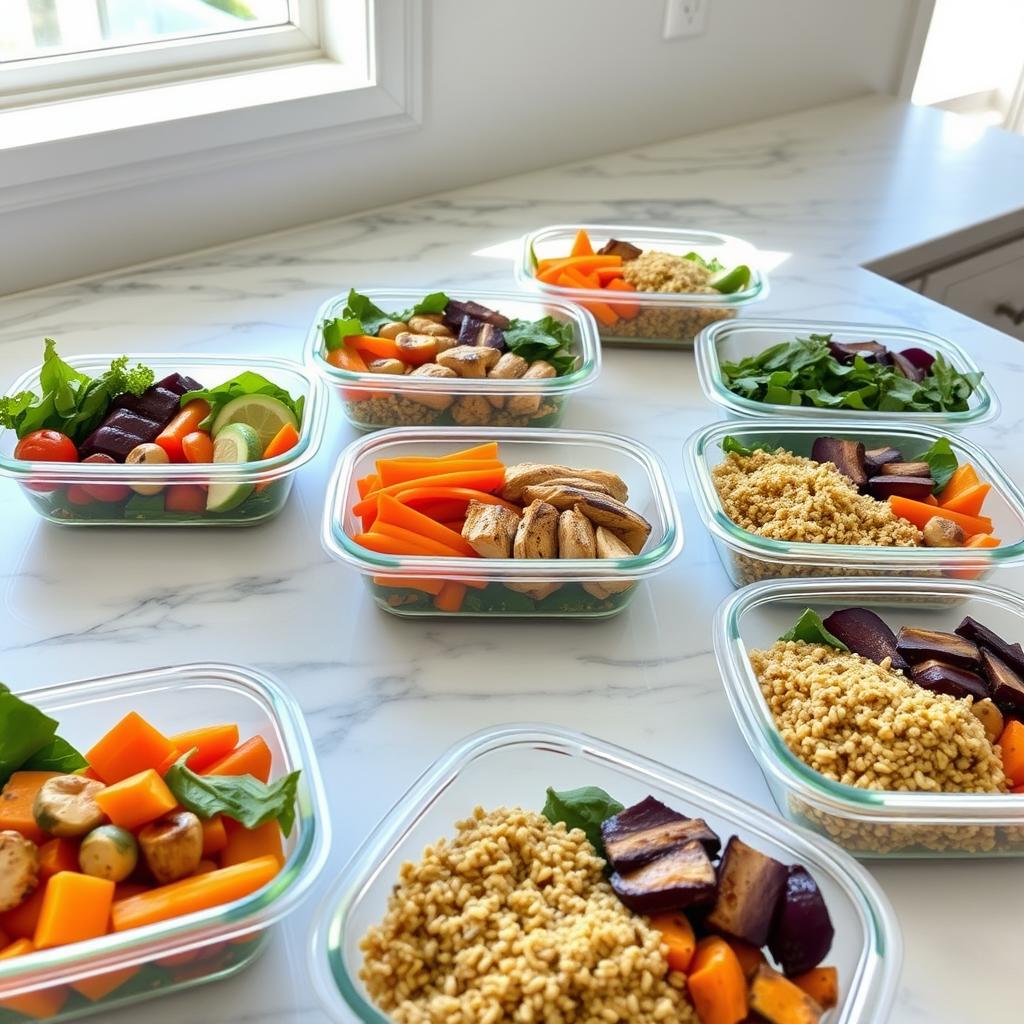
Think of your meals as fuel. Lean proteins, such as chicken breast or tofu, help build and repair tissues while keeping you feeling fuller longer. Healthy fats, like avocado or olive oil, support brain health and hormone production. Whole carbs, such as quinoa or sweet potatoes, provide lasting energy without a sudden sugar crash. Together, these elements create a satisfying meal that supports weight loss without leaving you hungry or deprived.
Fill Up on Nutrient-Dense Foods
Nutrient-dense foods allow you to eat more volume while staying within your calorie goals. For instance, swapping processed snacks for fresh fruits or veggies boosts fiber and micronutrient intake, keeping you satisfied on fewer calories. Foods like leafy greens, legumes, and berries are packed with nutrients and make fantastic additions to any meal plan.
Simple Food Swaps for a Calorie Deficit
You don’t need to overhaul your entire kitchen to lower your calorie intake small, smart changes can make a big impact. Here are a few easy swaps to try:
- Replace mayonnaise with mustard or Greek yogurt for a flavorful, lower-calorie alternative.
- Switch out white rice for cauliflower rice to save over 100 calories per serving.
- Opt for sparkling water with lemon instead of sugary sodas or juices.
Calorie Savings at a Glance
| Food Swap | Calories (Original) | Calories (Swapped) | Calories Saved |
|---|---|---|---|
| Mayonnaise (1 tbsp) → Greek Yogurt (1 tbsp) | 94 | 10 | 84 |
| White Rice (1 cup) → Cauliflower Rice (1 cup) | 205 | 25 | 180 |
| Soda (12 oz) → Sparkling Water with Lemon | 150 | 0 | 150 |
By incorporating these strategies, you’ll have a plan that’s not only effective but also enjoyable and sustainable. Remember, the goal isn’t to sacrifice flavor or fullness just to make smarter choices that align with your health goals.
Sample Meal Ideas for Simple Calorie Deficit Eating

Breakfast: Quick and Protein-Packed
Mornings don’t have to be chaotic or full of compromise. Start your day with easy options that are both filling and fast to prepare:
- Greek Yogurt Parfait: Layer 1 cup of nonfat Greek yogurt with fresh berries and a sprinkle of granola or chia seeds for a boost of protein and fiber.
- Avocado Toast with Eggs: Top a slice of whole-grain bread with 1/4 avocado and a boiled or poached egg for a balanced mix of healthy fats, carbs, and protein.
- Overnight Oats: Combine 1/2 cup rolled oats, 1/2 cup almond milk, 1 tablespoon of peanut butter, and a dash of cinnamon. Let it sit overnight for a grab-and-go meal the next morning.
Lunch: Satisfying Low-Calorie Ideas
Midday meals should energize without making you feel heavy. Try these:
- Grilled Chicken Salad: Toss a bed of leafy greens with grilled chicken breast, cherry tomatoes, cucumber, and a light vinaigrette dressing.
- Turkey and Veggie Wrap: Use a whole-wheat tortilla, lean turkey slices, hummus, and assorted veggies for a portable, nutrient-packed option.
Dinner: Hearty but Calorie-Conscious
Enjoy flavorful meals that don’t overdo it on calories:
- Garlic-Lemon Salmon: Bake a small salmon fillet with garlic and lemon alongside steamed broccoli and quinoa for a nutrient-dense plate.
- Cauliflower Crust Pizza: Top a store-bought cauliflower crust with marinara, low-fat cheese, and your favorite veggies for a satisfying, lower-calorie twist on a comfort classic.
Snacks and Desserts: Low-Calorie Treats
Cravings happen, but you can quiet them with smart choices:
- Apple Slices with Nut Butter: Pair a sliced apple with 1 tablespoon of almond or peanut butter for a sweet-and-savory snack under 200 calories.
- Dark Chocolate Squares: Savor 1-2 pieces of dark chocolate (70% or higher cocoa) to satisfy your sweet tooth.
- Veggie Sticks and Hummus: Carrots, celery, and bell peppers dipped in hummus make for a crunchy, guilt-free snack.
With these ideas, your meals and snacks can be both practical and enjoyable, keeping your calorie deficit on track without sacrificing taste in the process.
Tips for Sticking to Your Meal Plan Long-Term
1. Plan and Prep for Success
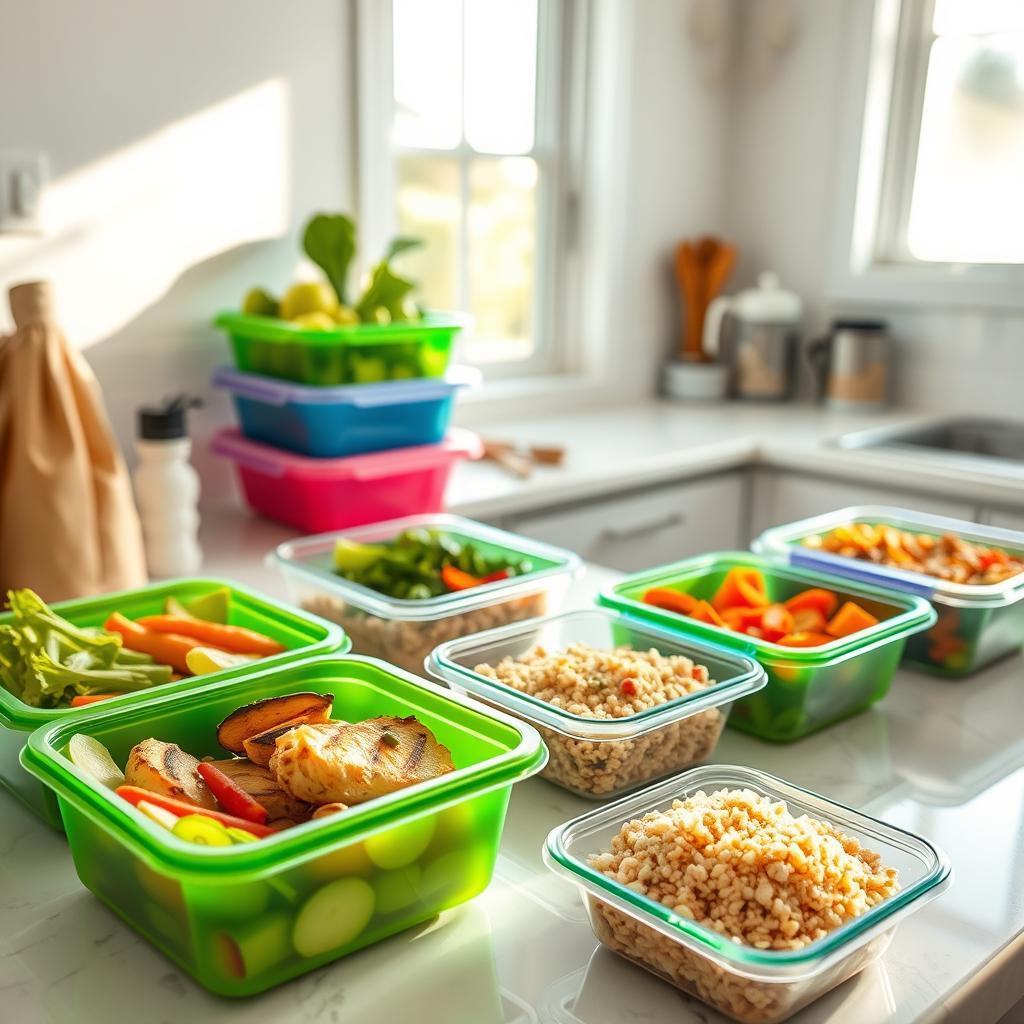
Save time during the week while reducing decision fatigue by planning meals in advance. Choose one or two days to prep ingredients like proteins, grains, and veggies in bulk, so you can mix and match them throughout the week. Even something as small as pre-portioning snacks can make staying on track far easier. Consider rotating a few go-to recipes to prevent boredom while keeping things manageable.
2. Make Room for Your Favorite Foods
Sticking to a plan doesn’t mean saying goodbye to the foods you love. Incorporate your favorite indulgences in moderate portions – whether it’s a piece of chocolate or a slice of pizza. By allowing flexibility, you reduce the likelihood of feeling deprived, which can make your plan more sustainable. Remember, no single meal will undo your progress when you keep the big picture in focus.
3. Navigate Dining Out and Social Events Effectively
When eating out, check restaurant menus in advance to find options that fit within your goals. You can also balance your intake by ordering lighter appetizers or splitting an entrée with a friend. At social events, fill up on nutrient-dense foods like veggies or lean proteins first – you’ll be less tempted to overindulge on higher-calorie choices later.
4. Practice Mindful Eating
Pay attention to your body’s hunger signals and differentiate physical hunger from emotional eating. Eating slowly, savoring each bite, and stopping when you feel satisfied (not stuffed) can make a significant difference. Mindful eating not only helps with portion control but also improves your overall relationship with food.
By implementing these strategies, sticking to your plan becomes both practical and enjoyable. After all, your success depends on creating an approach you can embrace today, tomorrow, and beyond.
Overcoming Common Challenges
Let’s face it sticking to a calorie deficit meal plan isn’t always easy. Cravings, boredom with your meals, or social situations encouraging you to overeat can derail even the most carefully laid plans. But don’t worry! These challenges are not roadblocks they’re stepping stones if handled wisely. Here’s how to stay on track and bounce back stronger when things don’t go perfectly.
1. Managing Cravings and Food Boredom
Cravings aren’t just about hunger; sometimes, they’re emotional or tied to habits. When cravings strike, try these strategies:
- Drink water first: Often, thirst disguises itself as hunger. Staying hydrated can curb unnecessary snacking.
- Satisfy with healthier swaps: Crave something sweet? Opt for fresh fruit or a piece of dark chocolate. Need something crunchy? Air-popped popcorn or veggies with hummus can do the trick.
- Mix it up: Meal boredom can make unhealthy options seem more tempting. Keep experimenting with new recipes and flavors to keep your meals exciting while sticking to your plan.
2. Conquering Social Pressures
Dining out or attending gatherings? These moments don’t have to sabotage your progress. Plan ahead by checking menus in advance, eating a small healthy snack beforehand, or setting a realistic limit (like one small dessert). Politely decline extra helpings with a simple, “This looks amazing, but I’m really full right now.” Your goals deserve your respect even in social situations.
3. Staying Motivated with Milestones
Long-term goals can feel overwhelming, so break them into smaller, achievable milestones. For instance, instead of focusing on losing 20 pounds, aim for small victories like losing the first five or consistently meal prepping for a month. Celebrate each win (non-food rewards like a new workout outfit work great!) to stay motivated.
4. Slip-Ups Are Normal Here’s How to Bounce Back
No one is perfect, and slip-ups are part of the journey. The key is to respond, not react. Slip-ups aren’t failures they’re data points. Ask yourself, “What triggered this?” and use the insight to plan ahead next time. Most importantly, don’t let guilt snowball into giving up. Get back to your plan with your very next meal. Progress, not perfection, is what matters.
Wrapping Up: Your Path to a Sustainable Calorie Deficit Meal Plan
Embarking on a calorie deficit meal plan is more than just a numbers game it’s about creating a healthy, sustainable approach to eating that aligns with your lifestyle and long-term goals. By focusing on balance, variety, and flexibility, you can enjoy meals that nourish your body while still achieving steady progress toward your weight loss aspirations. A plan that’s both practical and enjoyable isn’t just easier to follow; it’s also far more likely to deliver lasting results.
Instead of chasing quick fixes or restrictive fad diets, commit to building habits that stand the test of time. Start small whether it’s practicing portion control by using smaller plates, preparing nutrient-dense meals with lean proteins and wholesome carbs, or setting achievable weekly targets. Remember, consistency is your strongest ally, and every small step adds up to meaningful change over time.
It’s also important to honor your health and happiness throughout this journey. A meal plan that feels like punishment will never be sustainable, so find ways to bring enjoyment to your plate. Experiment with flavors, try new recipes, and give yourself permission to indulge occasionally balance is the foundation of long-term success. Healthy eating doesn’t mean giving up what you love; it means learning how to incorporate it wisely in a way that supports your goals.
Ultimately, the key is embracing a mindset centered on sustainability, not deprivation. By starting with a clear understanding of your calorie needs and prioritizing a balanced, mindful approach, you’re empowering yourself to turn short-term changes into lifelong habits. Rememberyou’re not just creating a meal plan, you’re building a healthier, more vibrant version of yourself. And that’s a goal truly worth savoring, one meal at a time.

I’m Sandy – sharing simple tips, plans, and motivation to help you stay in a calorie deficit Plan and reach your fitness goals.
