
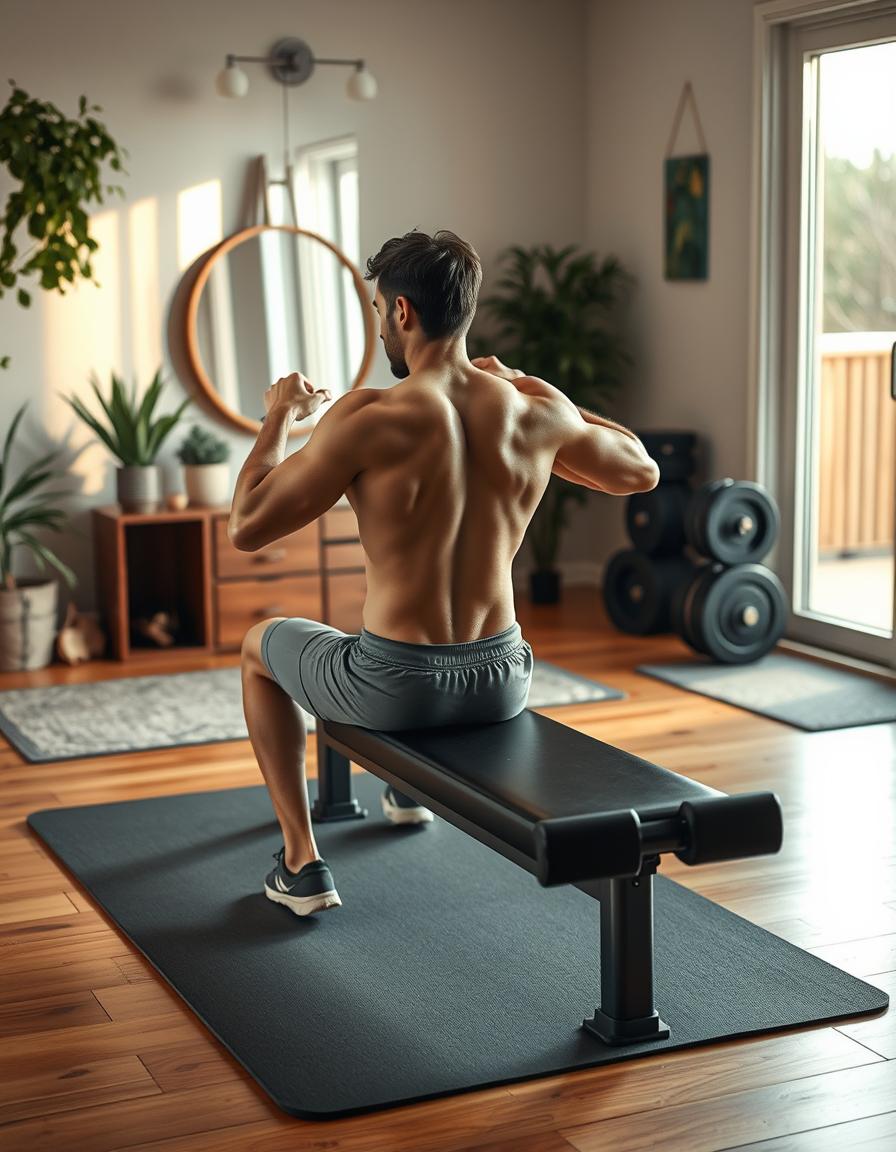

Back strength is a key part of overall fitness and daily function, yet it’s often overlooked when people focus too much on visible muscles like biceps or abs. A strong back supports good posture, reduces pain, and helps with countless movements. One effective exercise that many don’t realize can be done without any gym equipment is the reverse hyperextension at home. This exercise strengthens the lower back, glutes, and hamstrings, making it a valuable addition to your routine—especially if you don’t have access to fancy machines.
What Is Reverse Hyperextension?
Reverse hyperextension is an exercise that targets the posterior chain—the muscles running along the back of your body, including your lower back, glutes, and hamstrings. Instead of bending forward like a typical back extension, reverse hyperextensions involve lifting your legs behind you while keeping your upper body stable. This movement gently strengthens the lower back and helps improve hip mobility without putting too much strain on your spine.
The good news: You don’t need a special machine to perform reverse hyperextension at home. All you need is a flat surface and your own body weight! This makes it a fantastic choice for anyone who wants to build back strength without buying equipment.
Benefits of Reverse Hyperextension at Home
- Strengthens the lower back: Helps reduce pain by supporting the spine.
- Improves posture: A strong posterior chain promotes better alignment.
- Enhances athletic performance: Boosts power in activities like running, jumping, and lifting.
- Low risk of injury: It’s a controlled movement that’s gentle on the spine.
- Convenient and equipment-free: Perfect for home workouts.
How to Do Reverse Hyperextension at Home
Doing reverse hyperextension at home is simpler than it sounds. Here’s an easy method to get started without any fancy gear:
Using a Sturdy Table or Couch
Find a sturdy table, bench, or even a strong couch that you can safely balance on. The idea is to lie face down with your hips supported so your legs can hang freely.
- Lie on your stomach on the edge of the table or couch, with your hips at the edge. Your upper body should be supported, and your legs should hang down.
- Keep your arms on the table or couch for stability.
- Slowly lift your legs straight behind you as high as you can without arching your lower back excessively.
- Hold the position for 1-2 seconds at the top.
- Lower your legs back down with control.
Repeat this for 10-15 reps, aiming for 2-3 sets. Remember, slow and steady wins the race here—don’t rush the movement!
Without Furniture—Floor Variation
If you don’t have a table or couch available, you can modify the exercise on the floor:
- Lie face down on a mat with your arms extended forward or bent under your head for comfort.
- Keep your legs straight and squeeze your glutes to lift your legs off the ground.
- Do not overarch your lower back; just a gentle lift is enough.
- Hold briefly, then lower your legs down slowly.
This floor version works the same muscles but with a smaller range of motion, making it great for beginners or those with limited flexibility.
Tips to Maximize Your Reverse Hyperextension at Home
- Warm up first: Light cardio or dynamic stretches prepare your muscles and reduce injury risk.
- Focus on form: Keep your movements controlled to protect your lower back.
- Engage your core: Tighten your abdominal muscles to stabilize your spine.
- Don’t lift too high: Lifting your legs too far can strain your back.
- Consistency is key: Aim to do reverse hyperextension at home 2-3 times a week for progress.
Common Mistakes to Avoid
Doing the exercise wrong can cause discomfort rather than relief. Watch out for these pitfalls:
| Mistake | Why It’s a Problem | How to Fix It |
|---|---|---|
| Arching the lower back excessively | Strains your spine and defeats the purpose. | Lift legs only as high as comfortable; keep abs tight. |
| Using momentum | Reduces muscle engagement and increases injury risk. | Perform slow and controlled lifts. |
| Holding breath | Can cause unnecessary tension and fatigue. | Breathe steadily throughout the movement. |
| Poor body alignment | Increases risk of joint or muscle strain. | Ensure hips are stable and arms support your body. |
How Reverse Hyperextension Helps Everyday Life
Anecdotally, many people notice that strengthening their back with exercises like reverse hyperextension improves their ability to perform daily tasks. You may find it easier to carry groceries, stand for longer periods, or sit without discomfort.
One friend shared that after a few weeks of doing reverse hyperextension at home, her nagging lower back pain started to fade, and she felt more confident in her posture. It’s a simple exercise with surprisingly big benefits.
Pairing Reverse Hyperextension with Nutrition
Building muscle and recovering well also depends on good nutrition. Protein plays a key role in muscle repair, but it’s important to manage your overall diet thoughtfully. A handy guide for keeping track of nutrient intake can be found when you check out the calories in low fat cottage cheese. This food is an excellent source of lean protein that supports muscle health while being low in fat and calories.
Progression Ideas
As you get stronger, you might want to challenge yourself further. Here are some ways to make the reverse hyperextension at home more intense:
- Add ankle weights to increase resistance.
- Hold each lift at the top for longer periods (5-10 seconds).
- Increase reps and sets gradually.
- Combine with other posterior chain exercises like bridges or bird dogs.
Conclusion
The reverse hyperextension at home is a fantastic exercise to strengthen your lower back and the muscles supporting your hips. Its simplicity and low risk of injury make it perfect for nearly anyone, whether you’re a beginner or someone wanting to add variety to your workouts. By practicing good form and consistency, you may notice better posture, less back pain, and improved overall movement. So, grab your table or mat and give your back the attention it deserves—without leaving your living room!

I’m Sandy – sharing simple tips, plans, and motivation to help you stay in a calorie deficit Plan and reach your fitness goals.
