
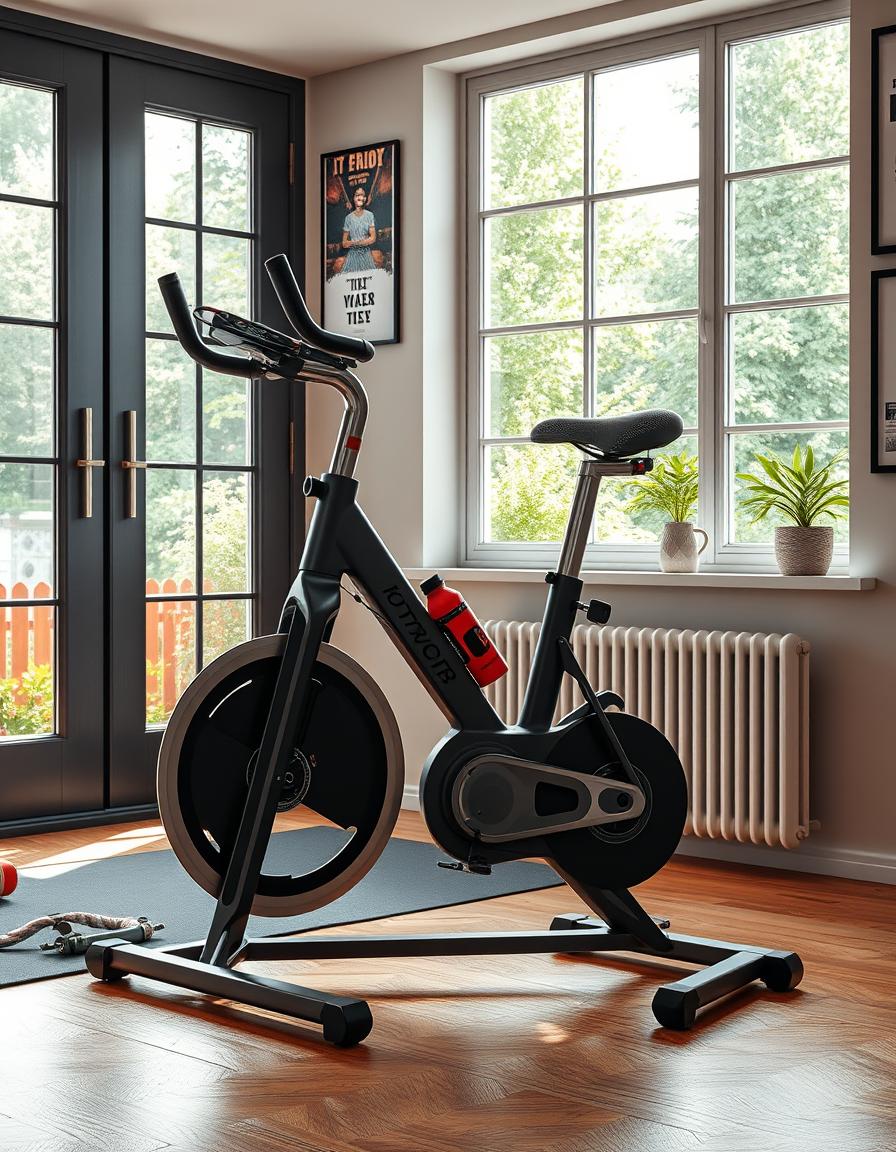

Getting a good workout on a stationary bike is a popular choice for people wanting to stay active indoors. Besides being convenient, it’s a fantastic way to improve your fitness and burn calories. But how do you know exactly how many calories you’re burning during your cycling session? That’s where a stationary bike calorie calculator comes in handy. This tool helps you estimate the energy burned based on your workout intensity, duration, and personal details. Let’s explore how this calculator works and why it can be your best workout companion.
Why Use a Stationary Bike Calorie Calculator?
When you’re pedaling away on your stationary bike, it’s easy to wonder how effective your workout is. A stationary bike calorie calculator gives you an idea of how many calories you burn, which can motivate you to push harder or adjust your routine. Without some estimate, you’re just guessing—and guessing isn’t the best way to track progress.
Calories burned depend on several factors: your weight, age, workout intensity, and how long you cycle. The calculator processes this information and produces a fairly accurate calorie count. Knowing this helps you set realistic goals, whether you want to lose weight, maintain fitness, or build stamina.
How Does the Stationary Bike Calorie Calculator Work?
The magic behind the calculator is a combination of formulas based on metabolic rates and exercise science. These formulas estimate how many calories your body uses per minute while cycling. The intensity of your cycling—measured in terms of speed or effort level—plays a big role. The harder you pedal, the more calories you burn.
Here’s what you typically input into a stationary bike calorie calculator:
- Your weight (usually in pounds or kilograms)
- Duration of your workout (minutes)
- Intensity level or average speed
- Sometimes your age and gender
With these details, the calculator estimates your calorie burn. For example, a 150-pound person cycling moderately for 30 minutes might burn about 250-300 calories. However, someone heavier or cycling harder would burn more.
Example Calculation Table
| Weight (lbs) | Duration (minutes) | Intensity | Estimated Calories Burned |
|---|---|---|---|
| 120 | 30 | Light | 210 |
| 150 | 30 | Moderate | 280 |
| 180 | 30 | Vigorous | 360 |
Benefits of Tracking Calories with a Stationary Bike
Using a stationary bike calorie calculator offers more than just numbers; it helps you stay on track. When you see the calories adding up, it can ignite a competitive spirit—even if it’s just with yourself! It’s also useful for planning meals and understanding energy intake versus output.
Other benefits include:
- Motivation: Checking your calorie burn can keep you encouraged to stick with your workouts.
- Efficiency: You can adjust your workout to burn more calories in less time.
- Goal Setting: Helps you create achievable weight loss or fitness plans.
- Tracking Progress: Over weeks, seeing your calorie burn increase shows improved fitness.
Tips to Maximize Your Calorie Burn on a Stationary Bike
You don’t have to pedal for hours to see results. Quality beats quantity when it comes to exercise, and a few simple tweaks can skyrocket your calorie burn.
- Increase resistance: Turning up the resistance makes your muscles work harder, which burns more calories.
- Interval training: Alternate between intense bursts and rest periods for an effective workout.
- Maintain good posture: Sitting properly ensures you’re engaging the right muscles and prevents injury.
- Use your arms: If your bike has moving handlebars, include upper body movements.
Adding stretching before and after your ride is also very helpful. For example, incorporating chiropractic stretches for middle back pain can ease tension and improve flexibility, making your workout more enjoyable and less prone to discomfort.
Choosing the Right Stationary Bike for Your Needs
Not all stationary bikes are created equal, and the kind you pick may impact how you use the calorie calculator. Some bikes come with built-in calorie counters, but their accuracy varies widely.
Consider these bike types:
- Upright Bikes: Similar to regular bikes, good for overall cardio and calorie burn.
- Recumbent Bikes: Have a reclined seat, great if you have back issues but might burn slightly fewer calories.
- Spin Bikes: Designed for intense training with adjustable resistance, perfect for high calorie burn.
Make sure your bike matches your fitness goals, comfort needs, and space availability. That way, you can get the most out of each session and track your calories with confidence.
How Accurate Are Stationary Bike Calorie Calculators?
While these calculators provide useful estimates, they’re not 100% precise. Actual calorie burn depends on your metabolism, muscle mass, and even genetics. The numbers should be taken as a guideline rather than an absolute truth.
Some tips to improve accuracy:
- Input your weight and workout details correctly.
- Use the bike’s heart rate monitor if available.
- Combine with other tracking tools like fitness bands.
Final Thoughts on Using a Stationary Bike Calorie Calculator
Using a stationary bike calorie calculator can turn routine cycling into an engaging and goal-oriented activity. It gives you insight into how hard you’re working, helps plan your fitness journey, and adds a little friendly competition with yourself.
Remember, consistent effort and enjoying your workout are key. By mixing up your routine, keeping track of your calories burned, and paying attention to your body’s needs, you’ll pedal your way to better health.
Conclusion
The stationary bike calorie calculator is a simple yet powerful tool that brings clarity and motivation to your indoor cycling workouts. It helps you understand the connection between effort and energy spent, making it easier to set and reach your fitness goals. Whether you’re a beginner or a seasoned cyclist, having an estimate of calories burned keeps you moving with purpose.
So next time you hop on your stationary bike, remember that pedaling isn’t just about moving your legs—it’s about tracking progress and celebrating every calorie burned. With the right bike, smart use of the calorie calculator, and a little fun thrown in, your fitness journey can be both effective and enjoyable.

I’m Sandy – sharing simple tips, plans, and motivation to help you stay in a calorie deficit Plan and reach your fitness goals.
