

How the 1200 Calorie Diet Promotes Weight Loss
- Immediate Calorie Control: A 1200 calorie limit gives you a clear daily boundary, making it easier to avoid overeating.
- Fat Utilization: With fewer calories coming in, your body compensates by burning fat reserves for energy.
- Quick Initial Results: Many individuals see noticeable changes within the first few weeks, which can offer a motivational boost.
However, it’s worth noting that the one size fits all approach does have its limits. Factors like gender, age, and physical activity level will determine whether this calorie count is appropriate. For men or highly active individuals, 1200 calories may be too restrictive, potentially leading to fatigue or muscle loss. By focusing on nutrient dense foods and staying mindful of your body’s signals, this caloric deficit plan can be a powerful starting point for sustainable weight loss as long as it is tailored to your individual needs. Are you ready to take a closer look at how you can customize it for your goals?
Is the 1200 Calorie Diet Right for You?

Key Factors to Consider
- Age: Younger individuals may have higher metabolic demands compared to older adults, making a 1200-calorie intake insufficient for their needs.
- Gender: Due to differences in baseline caloric requirements, women often find this diet more workable than men, who typically have higher caloric needs.
- Activity Level: Are you hitting the gym or training regularly? Highly active individuals risk fatigue or underperformance with such a restricted calorie intake.
- Medical History: Chronic illnesses like diabetes or thyroid disorders may require specialized dietary adjustments and caution with reduced-calorie plans.
Who Should Approach This Diet with Caution?
Certain groups should avoid or modify this diet entirely. For example:
- Men, due to their naturally higher energy requirements, may find this diet too restrictive.
- Pregnant or breastfeeding women, who require additional calories to support their body and their baby’s development.
- Highly active individuals and athletes, as they need adequate energy for performance and recovery.
The Role of Professional Guidance
Before diving into a 1200 calorie plan, consulting with a healthcare professional or registered dietitian is essential. They can customize a plan to match your specific health goals and nutritional needs while minimizing risks.
Sample Daily Nutritional Needs
The table below highlights recommended caloric ranges for different groups compared to the 1200-calorie diet’s target:
| Category | Typical Daily Caloric Needs | Energy Deficit on 1200-Calorie Diet |
|---|---|---|
| Average Adult Woman (Moderately Active) | 1,800–2,200 calories | 600–1,000 calories |
| Average Adult Man (Moderately Active) | 2,200–2,800 calories | 1,000–1,600 calories |
| Highly Active Individuals | 2,500–3,500+ calories | 1,300–2,300+ calories |
As you evaluate whether this diet aligns with your goals, remember: safety and sustainability go hand in hand. Make sure you prioritize your health while pursuing a calorie deficit, and adapt based on professional advice.
Creating a Balanced and Nutrient-Dense 1200-Calorie Meal Plan
- Fruits: Opt for berries, apples, oranges, and other low-calorie options rich in antioxidants and natural sweetness.
- Vegetables: Leafy greens, broccoli, zucchini, and bell peppers are all low in calories but high in nutrients and fiber.
- Lean Proteins: Chicken breast, turkey, fish like salmon or cod, eggs, tofu, and legumes such as lentils provide essential amino acids.
- Whole Grains: Quinoa, brown rice, oats, and whole-wheat bread add sustaining energy with fiber and important nutrients like B vitamins.
- Healthy Fats: Avocados, nuts, seeds, and olive oil should complement your meals to enhance flavor and support overall health.
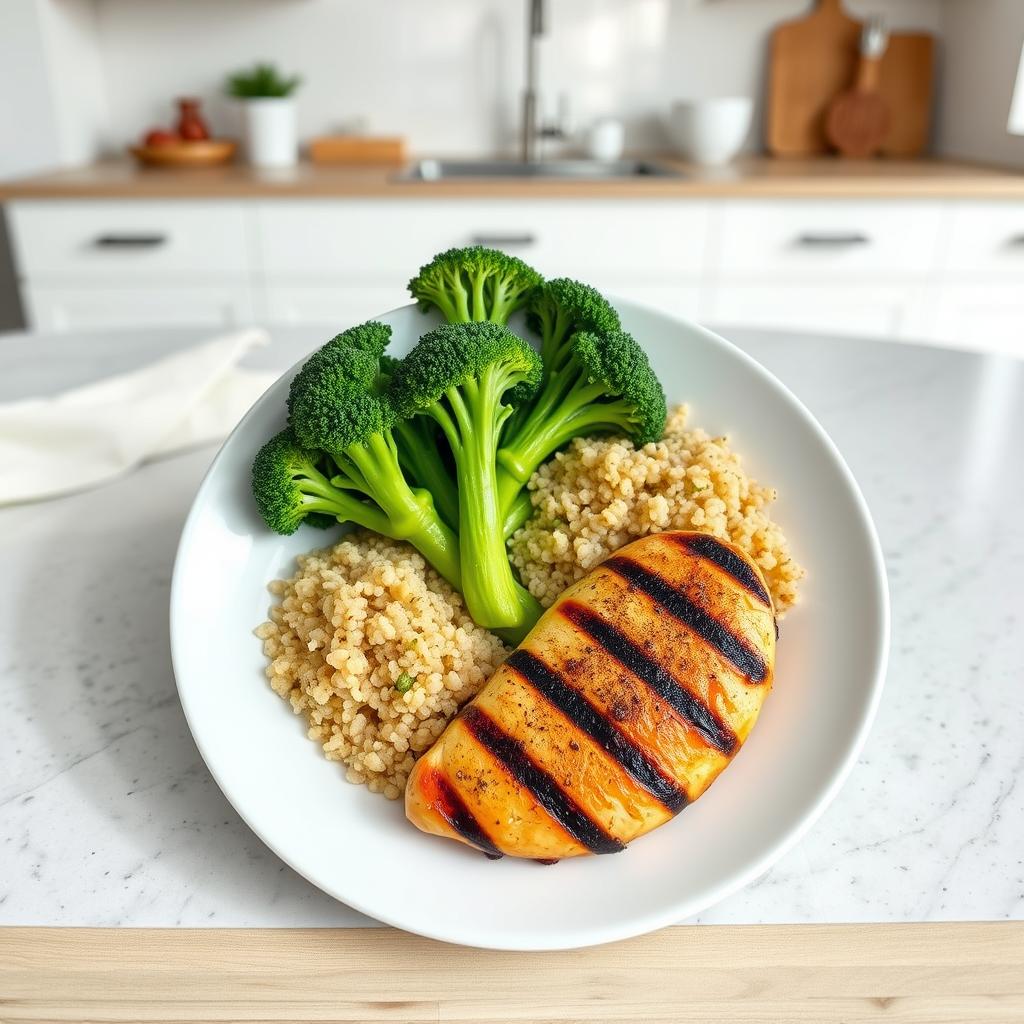
Structuring your meals effectively is key when working within a caloric deficit plan. Think of dividing your day into three meals of around 300–400 calories each, with a small snack or two in between. A balanced plate might look like grilled chicken alongside steamed broccoli and a serving of quinoa, drizzled with olive oil for healthy fats. Remember, long-term success doesn’t thrive on monotony. Experiment with herbs, spices, and cooking methods like grilling, roasting, and stir-frying to keep things exciting. To stay inspired, check out this helpful resource on what a day of 1200 calories a day looks like to see how variety plays a role in sustaining this plan. By focusing on nutrient-dense foods and mindful meal structuring, you can craft a satisfying and sustainable plan within your calorie goals.
Tips to Maximize Results Safely

1. Master Portion Control
Understanding portion sizes is one of the cornerstones of a successful calorie-controlled diet. Instead of eyeballing your meals, try using measuring cups or a food scale to accurately track your intake. Focus on nutrient-dense foods like lean proteins, whole grains, and vegetables that fill you up without pushing your calories over the limit. A small adjustment, such as swapping calorie-heavy snacks for fresh fruit, can make a big difference.
2. Practice Mindful Eating
It’s not just about what you eat but also how you eat. Avoid distractions like scrolling through your phone or watching TV during meals. Pay attention to the flavors, textures, and signals your body sends. Are you truly still hungry, or are you full? Slowing down allows you to recognize these cues, preventing overeating and helping you stay on track.
3. Don’t Overlook Hydration
Often, what feels like hunger is actually thirst. Staying hydrated throughout the day helps curb unnecessary cravings and keeps your energy levels steady. Aim for at least 8 glasses of water daily, and add a slice of lemon or cucumber for flavor without calories.
4. Add Light Exercise
Pairing a calorie deficit with light physical activity can amplify weight-loss benefits while supporting your overall health. Try brisk walks, yoga, or beginner strength training to enhance your results without jeopardizing recovery. Remember, even minor movements like stretching can make a difference.
5. Listen to Your Body
As you lower your caloric intake, it’s critical to tune in to your body’s signals. Are you feeling sluggish or overly fatigued? This might be a sign to adjust your approach or include more nutrient-dense options to meet your energy needs. Staying self-aware will ensure you don’t drift into over-restriction, helping you maintain balance and sustainability. By focusing on portion control, hydration, and a bit of daily movement, your calorie deficit plan can transform into a lifestyle that supports both health and long-term goals. Remember, small intentional changes often lead to the biggest wins!
Alternatives and Adjustments for Sustainable Weight Loss

- Increase your calorie target slightly. A plan featuring 1,400–1,600 calories a day may be more realistic for those with active lifestyles or larger bodies. You’ll still maintain a calorie deficit the key to weight loss but with enough energy to fuel your day.
- Focus on nutrient quality. Regardless of your exact calorie goal, prioritize nutrient-dense foods like whole grains, lean proteins, healthy fats, and plenty of vegetables. These keep you fuller longer and help avoid common pitfalls like fatigue and nutrient deficiencies.
- Adopt a lifestyle-based approach. Combine a moderate caloric deficit plan with consistent exercise. Incorporating strength training or cardio burns additional calories and supports overall health, making your progress sustainable.
It’s also worth highlighting the importance of gradual weight loss. Losing one to two pounds per week may feel slow, but it’s more likely to lead to lasting results and a healthier relationship with food. Rushed, highly restrictive diets can lead to burnout or weight regain, undermining your hard work.
Ultimately, creating a sustainable weight-loss journey means listening to your body, experimenting with adjustments, and consulting with a healthcare professional to ensure your approach aligns with your physical needs and long-term goals.
Final Thoughts: Your Path to Healthier Weight Loss
Embarking on a 1200-calorie diet can be a powerful strategy for achieving your calorie deficit and reaching your weight-loss goals, but it’s crucial to approach it with care, balance, and personalization. By focusing on nutrient-dense foods and adhering to structured meal plans, this method can deliver results in the short term while keeping your body energized and well-nourished. However, as with any significant dietary shift, no one-size-fits-all solution exists, and tailoring your approach to suit your unique needs such as activity level, gender, and health conditions is key.
Before delving into calorie restriction, it’s important to ask yourself: “Is this sustainable for my lifestyle? Am I meeting my nutritional needs?” Safety should always be your priority. Potential risks, such as nutrient deficiencies, fatigue, and long-term unsustainability, underscore the importance of seeking professional guidance. Consulting a dietitian or healthcare professional can help ensure that your plan aligns with your goals while protecting your health. Their expertise will allow you to make informed decisions, personalize your calorie deficit plan, and maintain a balance that supports your overall well-being.
Remember, a well-planned 1200 calorie diet isn’t just about eating less it’s about eating smarter. By choosing whole, nutrient-rich foods, maintaining an active lifestyle, and monitoring progress with professional support, you can turn this diet into a dynamic tool for your transformation. Whether you’re seeking to lose weight or simply reset your habits, this journey starts with understanding your body and respecting its needs.
Ultimately, your health is worth the extra care. Take the time to research, plan, and consult, so your weight-loss efforts not only deliver results but also set the foundation for long-lasting vitality. With a thoughtful approach, you’re not just achieving your goals you’re redefining your wellness journey, one balanced meal at a time.

I’m Sandy – sharing simple tips, plans, and motivation to help you stay in a calorie deficit Plan and reach your fitness goals.
