
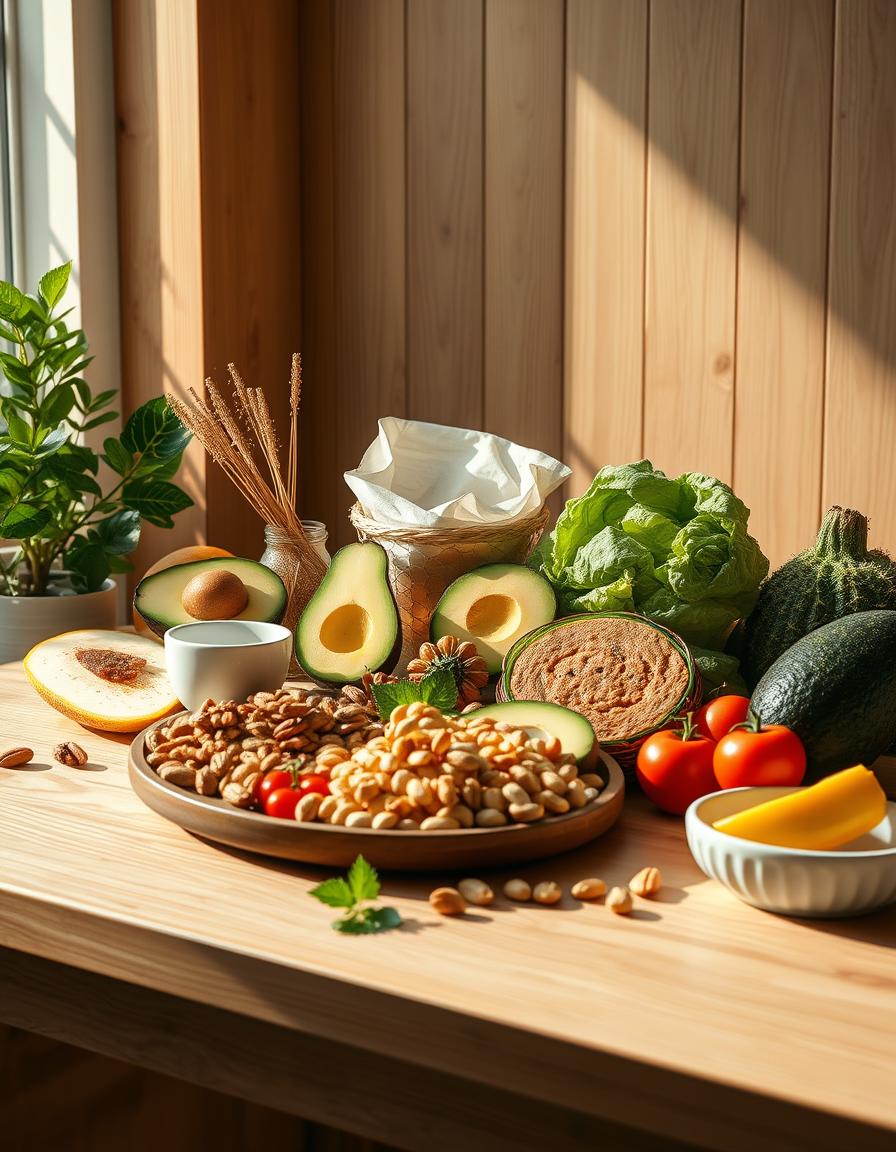

Intermittent fasting has become a popular way to improve health, lose weight, and boost energy. If you’ve heard about it but feel overwhelmed by all the information, an intermittent fasting infographic can be a great helper. Visual guides make the basics clear and simple, showing how this eating pattern works without bombarding you with jargon. Whether you want to try fasting for a few hours or a whole day, understanding the key points in an easy-to-read format sets you up for success.
What Is Intermittent Fasting?
Simply put, intermittent fasting means switching between periods of eating and fasting. Unlike traditional diets that focus on what you eat, fasting focuses on when you eat. The goal is to give your body a break from digesting food, which can help with weight control and improve metabolic health. Many people find fasting easier than cutting out specific foods because there are no strict restrictions on what to eat.
Think of it like charging your phone. Instead of constantly topping up your battery, you let it rest and recharge fully before the next use. Your body works similarly—it can benefit from having a break from constant food intake.
Popular Intermittent Fasting Methods
There’s no one-size-fits-all way to fast. Different methods suit different lifestyles and goals. An intermittent fasting infographic often breaks down the most common fasting schedules so you can choose one that feels right for you.
| Method | How It Works | Who It’s For |
|---|---|---|
| 16/8 Method | Fast for 16 hours, eat during an 8-hour window. | Beginners or those with busy days. |
| 5:2 Diet | Eat normally 5 days a week, limit calories to 500-600 on 2 days. | People who prefer fewer fasting hours. |
| Eat-Stop-Eat | Fast for 24 hours once or twice a week. | Experienced fasters who want a bigger challenge. |
| Alternate-Day Fasting | Alternate between a fasting day and a normal eating day. | Those who want steady weight loss. |
What Happens During Fasting?
When you fast, your body starts to use stored fat for energy instead of the sugar from food. This process helps many people burn fat more efficiently. Fasting can also reduce insulin levels, which helps prevent fat storage and improves blood sugar control. Plus, your body starts a clean-up process, repairing cells and clearing out old parts—a bit like tidying up your room after a party.
Many beginners worry about hunger pangs or low energy, but most find that hunger fades after a while. Drinking water, black coffee, or herbal tea can help keep hunger at bay during fasting periods. Just remember, the goal is to feel good and listen to your body.
Benefits of Intermittent Fasting
- Weight loss: Helps reduce calorie intake and boosts fat burning.
- Improved metabolism: Lowers insulin resistance and balances hormones.
- Better brain health: Supports brain function and may protect against some diseases.
- Cell repair: Promotes autophagy, the body’s way of cleaning damaged cells.
- Simple routine: Fewer meals mean less time spent planning and cooking.
Common Mistakes to Avoid
Because intermittent fasting is trendy, it’s easy to pick up unhelpful habits. Here’s a quick list of what to steer clear of:
- Overeating during eating windows: It’s tempting to binge, but that can cancel out benefits.
- Ignoring hydration: Drinking enough water is crucial, especially when fasting.
- Forgetting nutrition quality: Focus on balanced meals with protein, fiber, and healthy fats.
- Starting too fast: Jumping into long fasts without adjustment can backfire.
- Not listening to your body: If fasting causes dizziness or extreme hunger, reconsider your approach.
Example of a Simple Daily Fasting Schedule
A popular way to start is the 16/8 method. Here’s what a day might look like:
| Time | Activity |
|---|---|
| 7:00 AM | Wake up, drink water or black coffee |
| 12:00 PM | Start eating window with a balanced lunch |
| 3:00 PM | Healthy snack like nuts or yogurt |
| 7:00 PM | Finish eating window with dinner |
| 7:00 PM to 12:00 PM next day | Fasting period (water, tea, or coffee allowed) |
Is Intermittent Fasting Safe?
For most healthy adults, intermittent fasting is safe and can be quite helpful. However, it’s not for everyone. Pregnant or breastfeeding women, people with certain health conditions, or those with a history of eating disorders should speak with a healthcare professional before trying it. Always ensure you pay attention to how your body responds, and stop if you feel unwell.
Curious about what to eat while experimenting? For example, if you follow a different diet approach, you might wonder about adding something like an avocado on carnivore diet. This kind of question shows how diet interests can overlap, but remember, intermittent fasting focuses more on timing than what’s on your plate.
Tips to Make Fasting Easier
- Stay busy: Keeping yourself occupied helps take your mind off hunger.
- Drink plenty of fluids: Water and herbal teas are your best friends.
- Ease in slowly: Start with shorter fasts to get your body used to the change.
- Plan meals: Avoid impulsive eating by preparing healthy foods in advance.
- Get enough sleep: Rest helps regulate hunger hormones and keeps energy steady.
Using an Intermittent Fasting Infographic
Sometimes the best way to learn and remember is by seeing everything at a glance. An intermittent fasting infographic lays out all the essential details in one spot—methods, benefits, timing, and tips. It’s like having a friendly coach by your side, simplifying the process. You can even print it out or save it on your phone for quick reference.
Look for infographics with colorful visuals and clear sections. This makes it easier to absorb information and stay motivated. When you feel confused or tempted to give up, a glance at a well-made infographic can get you back on track!
Conclusion
Intermittent fasting offers a unique approach to health that’s flexible and approachable for many people. Whether you want to lose weight, boost energy, or simply improve your relationship with food, understanding the basics is key. Using an intermittent fasting infographic makes learning simple and fun. It breaks down everything you need to know at a glance, so you can focus on how fasting fits into your life. Just remember, listen to your body, start gently, and enjoy the journey toward better health.

I’m Sandy – sharing simple tips, plans, and motivation to help you stay in a calorie deficit Plan and reach your fitness goals.
