


Picture this: you’re hitting the gym hard, lifting heavier weights week after week, but the mirror still doesn’t reflect the transformation you want to see. Building muscle is no easy feat, especially when you’re trying to avoid the dreaded fat gain that often comes with bulking phases. This is where understanding Macro Split for Lean Bulk can make all the difference. Curious about how fitness enthusiasts craft their diets to stay lean while packing on muscle? You’re in the right place.
In this guide, we’ll break down strategies for mastering the art of lean bulking an approach that prioritizes muscle growth without the unnecessary baggage of excess fat. From tailoring your protein to calorie ratio to adjusting your macros based on your unique needs, we’ll simplify what might seem like a nutrition puzzle. Whether you’re wondering how much protein you should eat or how to time your calories for maximum results, our practical advice will help you take the guesswork out of your diet. So, are you ready to build real muscle while staying lean and energized? Let’s dive in!
What Is the Ideal Macro Split for Lean Bulk
Designing the perfect macro split for a lean bulk can feel like solving a puzzle, but it doesn’t have to be overly complicated. Whether you’re aiming to fuel muscle growth or minimize fat gain, the right balance of protein, carbs, and fats is key. A great starting point for many people is the 40-40-20 ratio 40% carbohydrates, 40% protein, and 20% fats. Alternatively, the 30-50-20 split (30% protein, 50% carbs, 20% fats) may better suit those with a high activity level. But how do you decide which is right for you? Let’s break it down.
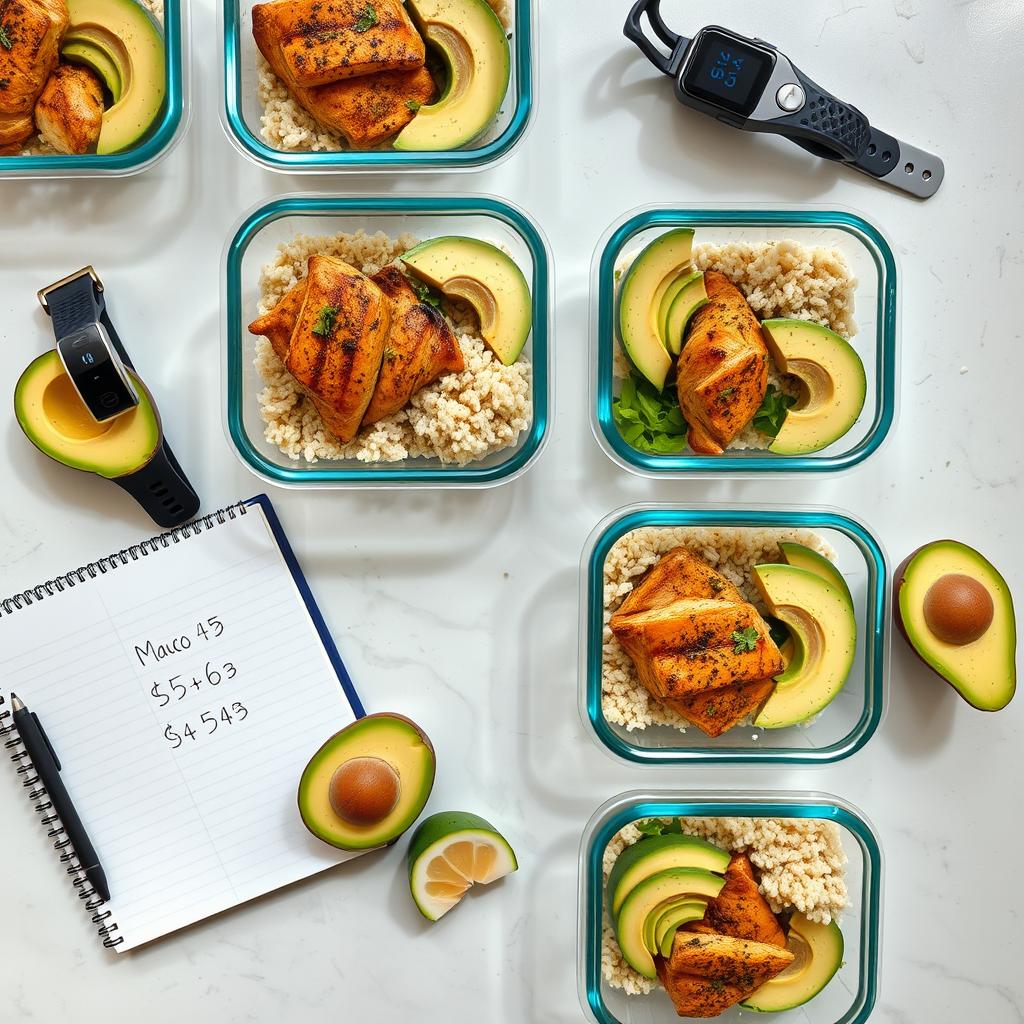
Tailor Your Macros to Your Body Type
Each person’s body is unique, and tailoring your macros based on your body type and activity level is critical. Here’s a quick guide:
- Ectomorphs (naturally lean): Often need higher carbs to fuel their fast metabolisms (e.g., 30-50-20).
- Mesomorphs (naturally athletic): Typically thrive on balanced macros like 40-40-20.
- Endomorphs (naturally higher fat storage): May benefit from a slightly lower carb intake, such as 35-40-25.
Track Macros Effectively
Tracking your macros consistently is non-negotiable during a lean bulk. Apps like MyFitnessPal or Cronometer make it simple. Use a kitchen scale for precise measurements and adjust your macro split as you progress. If weight gain is slower than expected, increase carbs and fats gradually. Need a little inspiration? Here’s a visual reference for macro splits:
| Macro Split | Best For | Example |
|---|---|---|
| 40-40-20 | Balanced, steady muscle growth | 200g Protein, 200g Carbs, 44g Fat |
| 30-50-20 | Active individuals, faster metabolism | 150g Protein, 250g Carbs, 44g Fat |
| 35-40-25 | Higher fat sensitivity | 175g Protein, 200g Carbs, 55g Fat |
Remember, the best macro split isn’t set in stone it’s the one that fits your body and your goals. With some experimentation, consistency, and small adjustments along the way, your lean bulk transformation will feel not only achievable but sustainable.
What’s a Good Protein to Calorie Ratio
When it comes to achieving a successful lean bulk, understanding the protein to calorie ratio is a game-changer. But what exactly does this mean? Simply put, the protein to calorie ratio refers to the amount of protein in a food compared to its total caloric content. This metric helps you evaluate how efficiently a food provides the protein your muscles need without overloading you with excess calories.
For muscle gain, the ideal protein intake is often recommended at 1 gram of protein per pound of body weight. For example, if you weigh 150 pounds, your daily protein goal will be 150 grams. To calculate a good protein to calorie ratio, the goal is to ensure a significant portion of your daily calorie intake comes from protein, while leaving room for carbs and fats to fuel workouts and recovery.

Sample Calculation
Say your lean bulk plan allows for 2,500 calories per day. With 150 grams of protein as your target, here’s how you can calculate:
- Protein provides 4 calories per gram, so: 150g x 4 = 600 calories from protein.
- Divide protein calories by total calories: 600 ÷ 2,500 = 0.24.
- This means 24% of your daily calorie intake will come from protein, falling right in the sweet spot for lean muscle growth without overdoing it.
High Protein, Calorie-Efficient Food Examples
Wondering which foods maximize protein intake without sabotaging your calorie goals? Here are some excellent options:
- Chicken breast (31g protein, 165 calories per 100g)
- Egg whites (3.6g protein, 17 calories per large egg white)
- Greek yogurt (10g protein, 100 calories per 100g)
- Tuna (25g protein, 116 calories per can)
For those craving convenience or dining out, even fast food can meet your macros with a bit of planning. Take a look at chick fil a nutrition to explore high-protein options that won’t derail your progress.
By prioritizing foods with an optimal protein to calorie ratio, you can stay on track with your lean bulk goals while keeping energy levels up and fat gain to a minimum. Small adjustments like these can make a big difference in your transformation journey.
How Much Protein Should I Eat?
Protein is the cornerstone of any successful lean bulk. It’s the building block of muscle, helping you repair and grow stronger after each workout. But how much protein should you really eat to see results? The answer depends on factors like your weight, fitness level, and goals.

General Guidelines for Protein Intake
Most experts agree that protein intake should range between 0.7 to 1 gram per pound of body weight for muscle growth. For example, if you weigh 150 pounds, aim for 105–150 grams of protein daily. If fat loss and lean bulking are your goals, sticking to the higher end of this range can help preserve muscle mass during calorie restrictions.
Men vs. Women: Are the Needs Different?
While the general guidelines above apply to both men and women, key differences may exist. Men typically have higher muscle mass, so they may require slightly more protein to support their maintenance and growth. Women, on the other hand, may want to focus on consistent intake without overcomplicating numbers especially if they’re newer to training. For both, the approach remains individualized based on body weight and activity level.
Beginners vs. Advanced Lifters
If you’re just starting out, don’t stress about hitting exact protein targets immediately. Focus on building a consistent diet while learning how much protein your body can digest comfortably. Advanced lifters, however, will benefit from precision and tracking, ensuring that even subtle changes in protein consumption align with their goals.
Practical Tips to Hit Your Protein Goals
Struggling to get enough protein? These strategies might help:
- Start your day with a high-protein breakfast like eggs or Greek yogurt.
- Include lean protein sources (like chicken, turkey, or tofu) in every meal.
- Prep convenient options, like protein shakes or healthy snacks on the go.
- Try adding versatile protein-rich extras, like cottage cheese or lentils, to recipes.
The key to successfully meeting your protein goals is consistency. Whether you’re tracking macros down to the gram or just aiming for balanced meals, prioritize progress not perfection. Combine proper protein intake with consistent training, and your transformation will follow!
Macros for Weight Loss Before and After: Transformations That Prove It Works
Have you ever wondered how some people achieve those jaw-dropping “before and after” transformations? The magic often lies in balancing their macronutrients protein, carbs, and fats with surgical precision. But what does that really mean, and how can it help you on your weight loss journey?

Let’s break it down. Macros impact weight loss by shaping how your body uses energy. For instance, a protein-rich macro split not only helps you feel fuller longer (hello, fewer cravings!), but it also supports muscle maintenance. Meanwhile, adjusting carbohydrate levels can give you the energy to fuel your workouts without tipping the scale in the wrong direction. The key? Tailoring your macro balance to match your activity level, goals, and even carb sensitivity.
Real Stories, Real Results
Consider Sarah, who shifted from a 40-40-20 (carb-protein-fat) ratio to a 30-40-30 macro split during her weight loss phase. Coupled with consistent training, she dropped 12 pounds and visibly increased muscle definition in 16 weeks. Or Michael, who used a macro calculator to refine his intake and achieved a 7% reduction in body fat without losing muscle mass all by simply tweaking his carbs and fats over six months.
Before and After Macro Breakdown
Here’s how Sarah’s macro split transformed over her journey:
- Before: 2,200 calories/day – 40% carbs, 40% protein, 20% fat
- After: 1,800 calories/day – 30% carbs, 40% protein, 30% fat
Notice the changes? The reduced carb intake kept her energy stable while the increased fat percentage supported satiety and hormonal balance. Adjustments like this, when applied consistently, can reshape both your body and mindset.
Consistency: The Secret Weapon
At the end of the day, the real hero in any macro-based weight loss journey isn’t the calculator or the ratio it’s you. Consistency is non-negotiable. Those “after” photos we admire often represent weeks or months of small, deliberate choices adding up. Stay patient, trust the process, and your transformation will happen, too. Embarking on a lean bulk journey is an exciting process, but it comes with its own set of challenges. To get the results you’re after building muscle without unnecessary fat gain it’s crucial to focus on consistency, patience, and tracking your progress. Let’s explore the key actions to set yourself up for success.
Track Your Progress Religiously
Success in lean bulking is all about the details. Are you regularly monitoring your weight changes, strength increases, or improvements in body composition? Keeping a journal or using apps to log key metrics such as food intake, training performance, and body measurements can help you identify trends over time. Tracking your “before” and “after” stats based on your Macro Split for Lean Bulk can make adjustments easier. Remember, it’s not about rushing results it’s about making steady, measurable progress.
Consider Supplementation (If Needed)
While whole foods should make up the majority of your diet, certain supplements can be helpful in filling gaps. For example:
- Whey Protein: A convenient way to hit your daily protein targets, especially if your schedule doesn’t allow time to prep multiple meals.
- Creatine: Known for its ability to improve strength and help muscle recovery, creatine is one of the most researched and effective fitness supplements out there.
- Multivitamins or Fish Oil: Depending on your baseline diet, these can support overall health during intense training phases.
Stay Consistent (But Flexible)
Consistency is your ticket to transformation. Stick to your planned workouts, and prioritize a diet with a good protein-to-calorie ratio to fuel muscle growth. It’s okay to adjust your approach as you go listen to your body, trust the process, and don’t be afraid to tweak your macros if progress stalls.
Building the physique you want takes time, so be patient with yourself. Trust that your efforts, no matter how small they seem day-to-day, will add up to significant changes in the long run.
Final Thoughts: Unlocking Your Lean Bulk Potential Through Macros
Embarking on a lean bulk journey is more than just about lifting heavy weights or eating high-protein meals it’s about balancing precision and adaptability. By using your macro split strategically, you can fuel muscle growth while keeping fat gain to a minimum. The key lies in understanding your body’s specific needs and adjusting your approach as you progress. Lean bulking requires commitment, experimentation, and a willingness to fine-tune your macros as your fitness goals evolve but when done right, the results can be transformative.
Taking time to refine your macro ratios and tailor them to your individual needs is one of the most impactful steps you can take toward achieving real, visible results. For reference, here are some essential strategies for mastering your macros:
- Start with a baseline: Use a macro calculator to determine your ideal protein, carb, and fat ratios based on your current weight, activity level, and goals.
- Prioritize protein intake: A good rule of thumb is to focus on a protein-to-calorie ratio that supports muscle repair and growth often around 1 gram of protein per pound of body weight.
- Track and adjust: Regularly monitor your progress and adjust your macros as necessary. For example, if you’re not seeing muscle gains or you’re gaining excessive fat, tweak your carb and calorie intake.
- Plan your meals: Consistent meal planning can help you hit your macro targets without overthinking each day’s intake. Consider subscribing to professionally curated meal plans for added convenience.
Ultimately, the road to transformation requires a blend of patience and consistency. Regular progressive training and disciplined dieting will shape your physique over time you just need the right tools and approach. Whether you’re chasing strength gains, a body recomposition, or simply the confidence that comes with feeling your best, personalized macros can be the blueprint for your success.

I’m Sandy – sharing simple tips, plans, and motivation to help you stay in a calorie deficit Plan and reach your fitness goals.
