
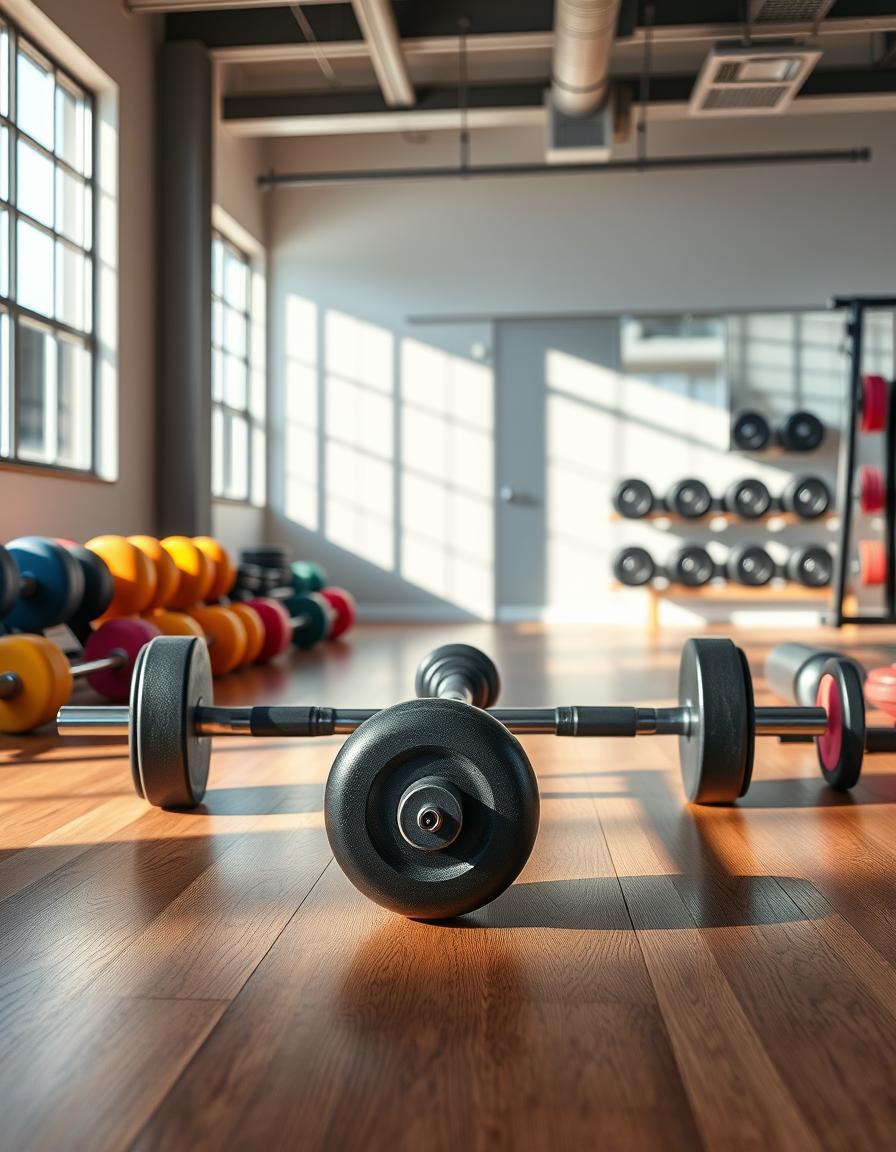

Starting out at the gym can be exciting but also a little confusing, especially when you see all the equipment and hear terms flying around. One question many beginners ask is about the gym bar weight. Understanding what a gym bar weighs can help you better plan your workouts, avoid injuries, and track your progress. This guide breaks down everything you need to know about gym bar weight, so you feel confident lifting from day one.
What Is a Gym Bar?
A gym bar, often called a barbell, is a long metal bar used for weightlifting. You attach weight plates to each end to increase resistance. They come in various sizes and types, each with its own gym bar weight. Knowing the weight of the bar itself is important because when you add plates, you get the total weight you’re lifting.
Common Types of Gym Bars
- Standard Barbell: Usually about 5 to 7 feet long, this bar is common in beginner gyms. It has a smaller diameter and holds smaller weight plates.
- Olympic Barbell: The most popular type in fitness centers, Olympic bars are about 7 feet long and designed to hold heavier weights securely.
- EZ Curl Bar: A shorter, curved bar designed primarily for arm exercises like curls and triceps extensions.
- Trap Bar (Hex Bar): This bar surrounds your body allowing a different lifting stance, often used for deadlifts.
Understanding the Gym Bar Weight
The weight of the bar you use affects your workout, especially if you’re just starting out. Below is a quick table showing typical gym bar weights:
| Bar Type | Length | Approximate Weight |
|---|---|---|
| Standard Barbell | 5-6 feet | 15-25 lbs (7-11 kg) |
| Olympic Barbell (Men’s) | 7 feet | 44 lbs (20 kg) |
| Olympic Barbell (Women’s) | 6.5 feet | 33 lbs (15 kg) |
| EZ Curl Bar | 4-5 feet | 15-25 lbs (7-11 kg) |
| Trap Bar (Hex Bar) | 5-6 feet | 45-55 lbs (20-25 kg) |
Keep in mind, gyms might have slight variations, so it’s always good to check or ask. For beginners, starting with lighter bars or even just the bar can build good technique without risking injury.
Why Knowing the Gym Bar Weight Matters
It might seem like a small detail, but knowing the gym bar weight helps you keep accurate records and track your progress. Let’s say you think you’re lifting 50 pounds, but the bar itself weighs 45 pounds; your actual weight lifted with plates is only 5 pounds. This understanding ensures you get a true sense of your strength gains.
Also, lifting weights that are too heavy too soon can cause injuries, especially for beginners. If you know the bar weight, you can safely add plates to match your strength level.
Tips for Beginners
- Start Light: Use just the gym bar weight or light plates to perfect your form before adding heavier weights.
- Ask for Help: Gym staff or trainers can often guide you on the right bar for your workout and explain its weight.
- Use Collars/Clips: Secure your plates with collars to prevent the plates from sliding off when lifting.
How to Calculate Your Total Lifting Weight
Calculating your total lifting weight is straightforward. You add the gym bar weight and the weight of the plates on both sides. For example, if you have a 44-pound Olympic bar and two 10-pound plates (one on each side), your total weight is:
44 lbs (bar) + 10 lbs (plate) x 2 = 64 lbs
This calculation helps you keep accurate workout logs and measure your gains accurately.
Common Gym Bars and Their Uses
Each gym bar has its own unique purpose. Choosing the right one depends on your fitness goals.
| Bar Type | Best For | Typical Gym Bar Weight |
|---|---|---|
| Standard Barbell | General lifting, beginners | 15-25 lbs |
| Olympic Barbell | Powerlifting, weightlifting | 33-44 lbs |
| EZ Curl Bar | Biceps, triceps | 15-25 lbs |
| Trap Bar | Deadlifts, shrugs | 45-55 lbs |
Integrating Proper Nutrition with Weight Training
Strength training goes hand in hand with nutrition. If your goal is to lose fat and build muscle, eating the right amount of calories is crucial. Many beginners find success starting on a 1200 calorie diet, which helps create a calorie deficit while providing enough fuel for workouts and recovery. Pairing proper nutrition with smart lifting—starting with the gym bar weight and gradually increasing—can give you excellent results.
When to Upgrade Your Gym Bar Weight
Once you feel comfortable lifting the gym bar weight plus light plates and your form is solid, it’s time to add more plates. Progression is key in strength training. Don’t rush; increasing your total weight lifted too fast without good form can lead to setbacks.
Remember, consistency often beats intensity. Adding small amounts of weight over time is a safer way to build strength and improve fitness.
Conclusion
Understanding gym bar weight is a simple but important step for anyone new to weightlifting. It helps you lift safely, track your progress, and build strength steadily. Whether you start with a light standard bar or a full Olympic bar, knowing what you’re lifting lets you challenge yourself while avoiding injury. Combine this knowledge with good nutrition and patience, and you’ll be surprised how quickly your confidence and strength grow. So next time you walk into the gym, you’ll be ready to lift smart and strong.

I’m Sandy – sharing simple tips, plans, and motivation to help you stay in a calorie deficit Plan and reach your fitness goals.
