
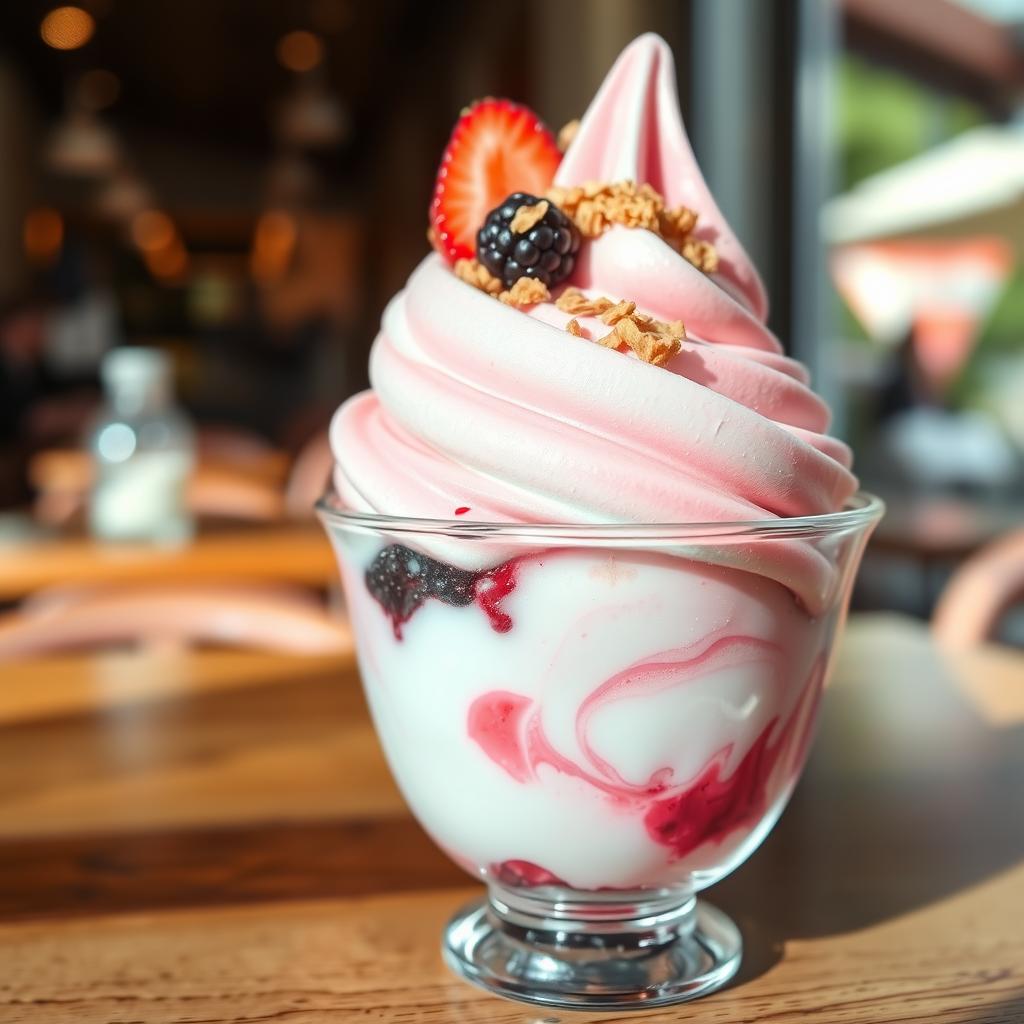
Frozen yogurt, often called “fro yo,” has a reputation as the healthier cousin to ice cream. It’s the go to treat for many people looking for a guilt free dessert. But are you truly making a healthier choice? Understanding frozen yogurt calories is the key to enjoying this sweet treat without accidentally derailing your health goals. The truth is, the calorie count can vary dramatically based on the type you choose, the portion size, and, most importantly, the mountain of toppings you add.
What Exactly Is Frozen Yogurt?
At its core, frozen yogurt is a frozen dessert made from milk, yogurt cultures, and sugar. The primary difference between it and ice cream is the use of cultured milk. The active and live cultures (probiotics) are what give yogurt its signature tangy flavor and potential gut health benefits. While it often contains less fat and fewer calories than traditional ice cream, the total frozen yogurt calories can quickly add up.
The base ingredients are simple, but the final product can be quite different depending on the brand and flavor. Some are non fat, others are low fat, and some are even full fat, creamy versions that rival premium ice cream. This variation is why checking the nutritional information before you swirl is so important for managing frozen yogurt calories.
A Deep Dive into Frozen Yogurt Calories
The number of calories in your cup of frozen yogurt isn’t a single, simple number. It’s influenced by the type of milk used (non fat, low fat, whole), the amount of sugar, and the flavorings. Let’s break down the typical calorie ranges you can expect.
Non Fat vs. Low Fat vs. Full Fat Frozen Yogurt
The fat content is a major factor in the final calorie count. While fat adds flavor and creaminess, it also adds more calories per gram than carbohydrates or protein. This is a crucial detail when considering frozen yogurt calories.
- Non Fat Frozen Yogurt: This is often the lowest calorie option. It’s made with skim milk and typically contains no fat. A standard half cup (about 4 ounces or 85g) serving of plain or vanilla non fat frozen yogurt usually ranges from 90 to 110 calories.
- Low Fat Frozen Yogurt: This version is made with low fat milk (like 1% or 2%). It offers a creamier texture than non fat options. For a half cup serving, you can expect the frozen yogurt calories to be between 100 and 120.
- Full Fat (or Premium) Frozen Yogurt: Made with whole milk or even added cream, this type is the most similar to ice cream in taste and texture. Consequently, it has the highest calorie count. A half cup serving can easily contain 120 to 160 calories or more.
Popular Brand Calorie Comparison
To give you a real world idea of what to expect, let’s look at the nutritional information from some of the most popular frozen yogurt chains. All information is based on a half cup (4 oz) serving of their plain or original tart flavor, which is a good baseline for comparing frozen yogurt calories.
Note: This information is current as of September 2025. Always check the brand’s official website for the most up to date nutritional facts.
| Brand | Flavor | Serving Size | Calories | Sugar (g) | Fat (g) |
|---|---|---|---|---|---|
| TCBY | Old Fashioned Vanilla | 1/2 cup (89g) | 110 | 16 | 3 |
| Pinkberry | Original | 1/2 cup (100g) | 100 | 20 | 0 |
| Yogurtland | Plain Tart | 1/2 cup (84g) | 90 | 15 | 0 |
| Menchie’s | Takes the Cake Batter | 1/2 cup (83g) | 120 | 18 | 2 |
As you can see, even the “original” flavors vary. Plain tart is often one of the lowest calorie choices. However, when you move into richer flavors like chocolate, cheesecake, or cake batter, the frozen yogurt calories increase significantly, often by 20 40 calories per serving.
Frozen Yogurt vs. Other Desserts: A Calorie Showdown
So, how does frozen yogurt stack up against other popular frozen treats? When you look at a simple, controlled serving size, fro yo often comes out ahead. Managing frozen yogurt calories is often easier than with other desserts.
Frozen Yogurt vs. Ice Cream
The main difference here is fat content. Standard ice cream must contain at least 10% milkfat to be legally called “ice cream.” This higher fat content leads to a higher calorie count. A half cup of regular vanilla ice cream typically has around 140 180 calories and 7 10 grams of fat. In contrast, a similar serving of non fat vanilla frozen yogurt has about 100 calories and 0 grams of fat. This makes a clear case for being mindful of frozen yogurt calories as a potentially lower alternative.
Frozen Yogurt vs. Gelato
Gelato is an Italian style ice cream that is denser and often more flavorful. It’s made with more milk and less cream than American ice cream, so it can sometimes have less fat. However, it’s often higher in sugar. A half cup of vanilla gelato can range from 150 to 200 calories. While the fat might be lower than some ice creams, the sugar content can make its calorie count comparable or even higher than some frozen yogurts.
Frozen Yogurt vs. Sorbet
Sorbet is a dairy free option made from fruit puree and sugar. Since it contains no milk or cream, it’s fat free. This might make it seem like the healthiest choice. However, it can be very high in sugar to achieve its smooth texture. A half cup of sorbet can contain 120 150 calories, almost all from sugar. Depending on your choice, the frozen yogurt calories could be lower and offer more protein.
The Topping Trap: How Calories Skyrocket
The base frozen yogurt is only part of the story. The self serve model at most fro yo shops is where the concept of a “healthy dessert” can quickly fall apart. The total frozen yogurt calories in your cup are heavily influenced by your trip to the toppings bar.
High Calorie Toppings to Watch Out For
It’s easy to get carried away when you have dozens of options. Be aware that many popular toppings are packed with sugar, fat, and calories.
- Candy and Chocolate: Items like M&Ms, chocolate chips, gummy bears, and crushed candy bars can each add 70 100 calories per spoonful.
- Nuts and Granola: While nuts offer healthy fats, they are calorie dense. A small scoop of almonds can add 80 calories. Granola can be deceptive, often containing a lot of added sugar and oil, adding 50 70 calories per tablespoon.
- Sauces and Syrups: A pump of hot fudge or caramel sauce can easily add 100 150 calories. Peanut butter sauce is another high calorie offender.
- Baked Goods: Brownie bites, cookie dough pieces, and cheesecake chunks are some of the most calorie dense toppings available, often adding 100+ calories for just a few pieces.
A seemingly innocent cup of frozen yogurt can quickly turn into a 500 700 calorie dessert bomb once you’ve visited the toppings bar. This completely changes the conversation about frozen yogurt calories.
Smarter Topping Choices
Don’t worry, you don’t have to skip the toppings entirely! Making smarter choices can add flavor and texture without a huge calorie penalty. When you want to keep your frozen yogurt calories in check, opt for these:
- Fresh Fruit: Berries, kiwi, pineapple, and mango are fantastic choices. They add natural sweetness, fiber, and vitamins for very few calories. A large scoop of mixed berries might only add 20 30 calories.
- A Sprinkle of Nuts: Instead of a large scoop, a small sprinkle of sliced almonds or pistachios can provide a satisfying crunch for around 40 calories.
- Coconut Flakes: Unsweetened coconut flakes can add a nice texture and tropical flavor for about 30 calories per tablespoon.
- A Dash of Sprinkles: If you need that classic colorful crunch, a small shake of rainbow sprinkles adds only about 25 calories.
How to Build a Healthier Cup of Frozen Yogurt
Enjoying frozen yogurt as a healthy treat is entirely possible with a bit of mindfulness. It’s all about making conscious decisions from the moment you pick up the cup. Here’s a step by step guide to controlling your frozen yogurt calories.
- Choose the Smallest Cup Size. This is the easiest trick in the book. A smaller cup physically limits how much you can serve yourself. Portion control is the single most effective way to manage frozen yogurt calories.
- Pick a Low Calorie Base. Start with a non fat or low fat option. The original tart or simple fruit flavors are usually the safest bets. Avoid the decadent sounding flavors like “cheesecake” or “peanut butter cup.”
- Don’t Overfill Your Cup. It’s tempting to pull the lever until the yogurt towers over the rim, but stick to a reasonable portion. A good rule of thumb is to fill the cup about halfway to three quarters full. Remember, a serving size is typically just half a cup.
- Prioritize Fruit Toppings. Load up on fresh fruit first. It will take up space in your cup, leaving less room for high calorie options. This is a great strategy for adding volume without a significant increase in frozen yogurt calories.
- Limit Yourself to One “Fun” Topping. If you really want that scoop of cookie dough, go for it! But make it your one indulgence. Choose one treat and then step away from the toppings bar.
- Weigh Your Creation. Most shops charge by weight. This is also a great way to understand your portion size. A typical 4 ounce serving is about 113 grams. If your cup weighs 300 grams before toppings, you’re eating almost three servings. This perspective is vital for accurately calculating frozen yogurt calories.
Frequently Asked Questions About Frozen Yogurt Calories
Many people have questions about the health aspects of this popular dessert. Here are answers to some of the most common queries regarding frozen yogurt calories.
Is frozen yogurt actually healthy?
It can be a healthier choice than many other desserts, especially if you are mindful of your portion size and toppings. It generally contains less fat than ice cream and has the added benefit of probiotics from the live yogurt cultures. However, its healthiness is conditional on how you consume it. A large portion loaded with candy and syrup is not a healthy choice.
Does frozen yogurt have a lot of sugar?
Yes, frozen yogurt can be high in sugar. Even plain, non fat versions typically contain 15 20 grams of sugar per half cup serving to make them palatable and to achieve the right frozen texture. Flavored varieties and those with swirls of syrup will contain even more. This is an important factor to consider beyond just the frozen yogurt calories.
Can I eat frozen yogurt if I’m lactose intolerant?
It depends on the individual. The culturing process in yogurt breaks down some of the lactose (milk sugar), so some people with mild lactose intolerance find they can tolerate frozen yogurt better than ice cream. Additionally, many shops now offer dairy free options made from almond milk, coconut milk, or sorbet.
Are “no sugar added” frozen yogurts a good option?
They can be, but you should read the ingredient list. “No sugar added” options often use artificial sweeteners or sugar alcohols like sorbitol or maltitol. While these reduce the sugar and calorie content, they can cause digestive upset in some people if consumed in large amounts. The overall frozen yogurt calories may be lower, but they might come with other considerations.
Conclusion
Frozen yogurt can absolutely be part of a healthy lifestyle and a sensible dessert choice. The key is to be an informed consumer. By understanding that the base flavor, portion size, and toppings are the three biggest factors that determine the final count of frozen yogurt calories, you can take control. Opt for smaller servings of non fat or low fat yogurt, load up on fresh fruit, and be selective with your more indulgent toppings. By making these smart choices, you can enjoy your sweet treat without any of the guilt and keep your frozen yogurt calories in a reasonable range.

