
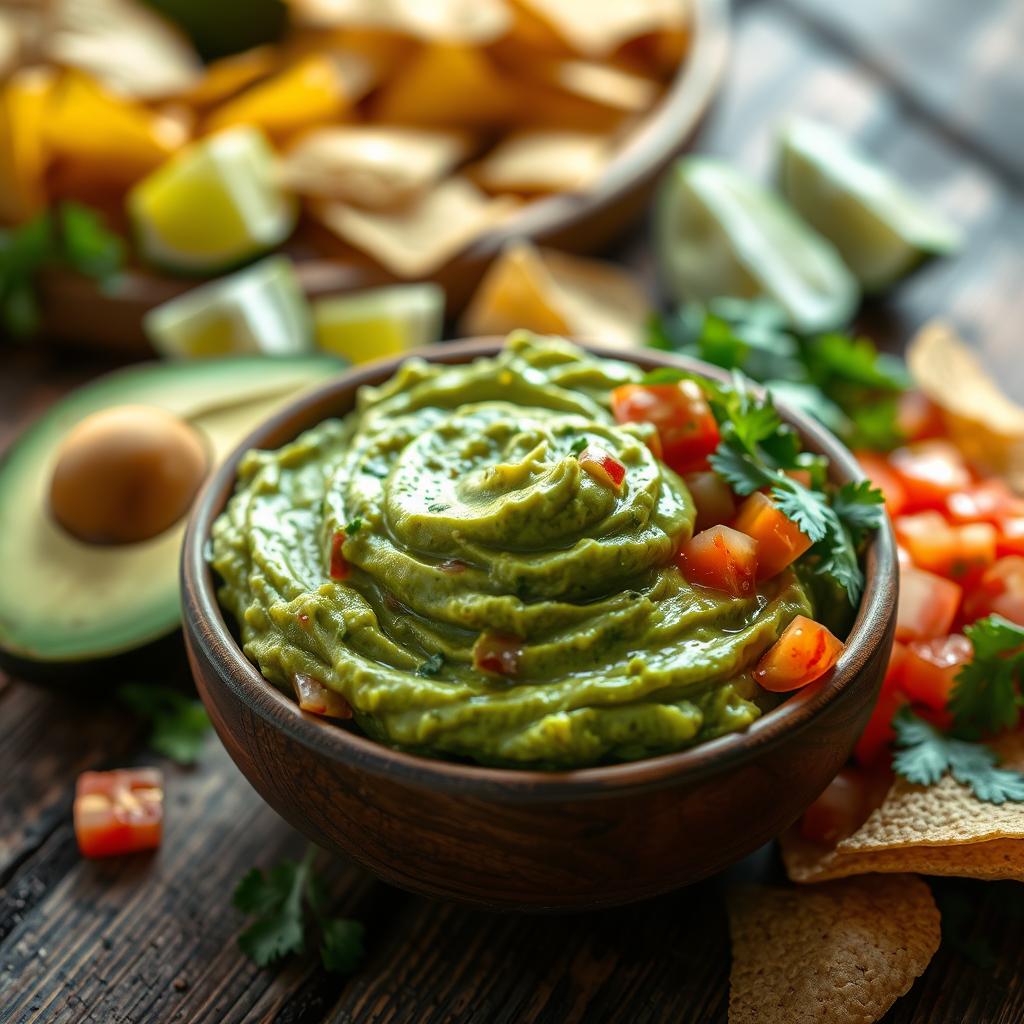
Have you ever found yourself with a bowl of guacamole and a bag of tortilla chips, wondering just how many calories you’re actually eating? You’re not alone. Guacamole is a beloved dip, a party staple, and a delicious topping for everything from tacos to toast. But because its main ingredient is avocado, a fruit known for its healthy fats, there’s often confusion about the true number of calories in guacamole. Let’s clear up that confusion and dive into what every serving really contains, so you can enjoy this green goodness guilt free.
What’s Really in Your Guacamole? A Look at the Core Ingredients
Before we can accurately count the calories in guacamole, we need to understand what goes into it. Traditional, authentic guacamole is surprisingly simple. The beauty of this dip lies in its fresh, high quality ingredients, each contributing to its unique flavor profile and nutritional content. While recipes can vary, the classic components are the foundation of its caloric makeup.
The Star Player: Avocado
Avocado is the heart and soul of guacamole, making up the bulk of the dip. It’s responsible for the creamy texture and most of the calories. A medium sized avocado (about 200 grams) contains roughly 322 calories, most of which come from healthy monounsaturated fats. These are the “good” fats that support heart health and can help you feel full and satisfied. The avocado’s calorie density is the primary factor determining the overall calories in guacamole.
The Supporting Cast: Other Key Ingredients
While avocado is the main event, the other ingredients add flavor, texture, and a small number of calories. These typically include:
- Onion: Adds a sharp, savory flavor. A quarter of a medium onion has only about 12 calories.
- Lime Juice: Provides that essential tangy kick and helps prevent the avocado from browning. The juice of one lime contains around 11 calories.
- Cilantro: Gives guacamole its fresh, herbaceous taste. A quarter cup of fresh cilantro has less than 1 calorie.
- Jalapeño or Serrano Peppers: For a bit of spice. One jalapeño contains just 4 calories.
- Salt: Essential for enhancing all the other flavors. It contains zero calories.
- Tomato (Optional): Some recipes include diced tomatoes for sweetness and texture. A small Roma tomato has about 11 calories.
- Garlic (Optional): Adds a pungent, aromatic depth. One clove of garlic has around 4 calories.
As you can see, these supporting ingredients contribute very few calories. The vast majority of the calories in guacamole come directly from the avocados themselves.
Breaking Down the Calories in Guacamole: A Typical Serving
A standard serving size for dips like guacamole is typically two tablespoons. So, how do the numbers stack up for a homemade batch? Let’s create a simple, classic recipe and calculate the approximate calories in guacamole per serving.
Imagine a recipe using:
- 1 medium avocado (~322 calories)
- 1/4 medium onion (~12 calories)
- Juice of 1 lime (~11 calories)
- 1/4 cup cilantro (~1 calorie)
- 1 jalapeño (~4 calories)
- 1/4 teaspoon salt (~0 calories)
This recipe yields about one cup of guacamole. The total calorie count for the entire batch would be approximately 350 calories. Since one cup contains 16 tablespoons, a two tablespoon serving would have about 44 calories. This is a surprisingly low number, making a small portion of homemade guacamole a very reasonable snack. The key is portion control, it’s easy to eat far more than two tablespoons, which is when the calories in guacamole can start to add up quickly.
The Full Nutritional Picture
Calories are just one part of the story. Guacamole is packed with nutrients. That same two tablespoon serving offers more than just calories. It provides healthy fats, fiber, and essential vitamins and minerals. The healthy fats help with satiety, and the fiber aids in digestion, making it a much more beneficial choice than many other processed dips that are high in saturated fats and sodium.
Homemade vs. Store Bought: A Calorie Comparison
While homemade guacamole gives you complete control over the ingredients, many people opt for the convenience of pre made versions. But how do the calories in guacamole from the store compare to what you can make at home? The answer can vary significantly based on the brand and their specific recipe.
Why Store Bought Can Be Different
Commercial guacamole producers often add other ingredients to extend shelf life, improve texture, or reduce costs. These can include water, fillers, starches, and sometimes even dairy products like sour cream or yogurt, which can alter the nutritional profile. This is why checking the label is so important when assessing the calories in guacamole you buy at the grocery store.
Let’s look at the nutritional information for a few popular brands, based on a standard two tablespoon (approximately 30g) serving. All data is current as of September 2025 from the official brand websites.
| Brand | Serving Size | Calories | Total Fat | Sodium |
|---|---|---|---|---|
| Homemade (Typical) | 2 Tbsp (30g) | ~44 | 4g | 74mg |
| Wholly Guacamole Classic | 2 Tbsp (30g) | 50 | 4.5g | 190mg |
| Sabra Classic Guacamole | 2 Tbsp (30g) | 50 | 4.5g | 135mg |
| Good Foods Chunky Guacamole | 2 Tbsp (30g) | 50 | 4.5g | 125mg |
As the table shows, the calories in guacamole from popular store bought brands are quite comparable to a typical homemade version, usually around 50 calories per two tablespoon serving. The most noticeable difference is often the sodium content, which is typically higher in packaged products to act as a preservative and enhance flavor. If you are watching your sodium intake, making guacamole at home is a better option.
Don’t Fear the Fat: The Health Benefits of Guacamole
It’s time to stop worrying so much about the calories in guacamole and start appreciating its incredible health benefits. The fats in avocados are predominantly monounsaturated, specifically oleic acid, the same heart healthy fat found in olive oil. This type of fat can help reduce bad cholesterol (LDL) levels and lower your risk of heart disease and stroke.
More Than Just Healthy Fats
Beyond its fat content, guacamole is a nutrient dense food. Here are some of the key health benefits:
- Rich in Fiber: Avocados are a great source of dietary fiber, which is crucial for digestive health, blood sugar regulation, and promoting a feeling of fullness.
- Packed with Vitamins and Minerals: Guacamole provides a good dose of vitamins K, E, C, and B 6, as well as folate, magnesium, and potassium. In fact, avocados have more potassium per serving than bananas.
- Contains Antioxidants: Ingredients like avocado, cilantro, and lime juice are full of antioxidants that help protect your body from damage caused by free radicals.
- May Aid in Weight Management: Despite the calories in guacamole, studies have shown that the fat and fiber content can increase satiety, helping you eat fewer calories overall.
How to Enjoy Guacamole and Manage Calories
The key to enjoying guacamole without derailing your diet is mindfulness. It’s not the guacamole itself that’s the problem, but rather the portion size and what you eat with it. A few simple strategies can help you manage the calories in guacamole effectively.
1. Watch Your Portions
Stick to the recommended serving size of two tablespoons. Use a measuring spoon the first few times to get a visual idea of what that looks like. If you’re at a party, spoon a small amount onto your plate instead of eating directly from the main bowl.
2. Rethink Your Dippers
Often, the vehicle for the guacamole is the real calorie culprit. A single serving of traditional tortilla chips can pack 140 calories or more, mostly from refined carbohydrates and sodium. Instead of chips, try these healthier alternatives:
- Fresh Veggies: Bell pepper strips, cucumber slices, carrot sticks, celery, and jicama are all crunchy, low calorie options.
- Whole Grain Crackers: Look for crackers high in fiber to make your snack more filling.
- On Top of Lean Protein: Use guacamole as a topping for grilled chicken, fish, or a turkey burger instead of mayonnaise.
3. Make a Lighter Version at Home
If you want to lower the calories in guacamole even further, you can adjust your homemade recipe. While this will change the traditional flavor and texture, it can be a good option for those on a strict calorie budget.
To reduce calories, you can substitute a portion of the avocado with a lower calorie, creamy ingredient. Try blending in some plain Greek yogurt (which also adds protein), mashed peas, or pureed zucchini. This will stretch the recipe and reduce the overall fat and calorie density without sacrificing too much creaminess.
Frequently Asked Questions About the Calories in Guacamole
Many people have specific questions when it comes to the nutritional impact of this popular dip. Here are answers to some of the most common queries about the calories in guacamole.
Is guacamole good for weight loss?
Yes, guacamole can be part of a healthy weight loss plan. The healthy fats and fiber help you feel full, which can prevent overeating. The key is to stick to a reasonable portion size and pair it with healthy dippers like vegetables instead of fried chips. The focus should be on the overall quality of the food, not just the calories in guacamole.
How many calories are in a quarter cup of guacamole?
A quarter cup is equal to four tablespoons. Based on our earlier calculations, a quarter cup of typical homemade guacamole would contain approximately 88 calories. For most store bought brands, it would be around 100 calories. This is still a very reasonable amount for a satisfying snack.
Does adding sour cream to guacamole increase the calories?
Absolutely. Adding sour cream will increase the calorie count, particularly from saturated fat. Two tablespoons of full fat sour cream add about 60 calories. If you want a creamy addition with fewer calories and more protein, consider using plain non fat Greek yogurt instead. This is a great way to modify the recipe without drastically increasing the calories in guacamole.
Can I eat guacamole every day?
Enjoying a serving of guacamole every day can be a healthy habit! It’s an excellent way to get in healthy fats, fiber, and important vitamins. As long as you are mindful of your portion size and what you eat with it, daily guacamole consumption can fit perfectly into a balanced diet. The nutritional benefits often outweigh concerns about the calories in guacamole.
Conclusion
Guacamole is much more than just a tasty dip, it’s a nutrient dense food packed with heart healthy fats, fiber, and essential vitamins. While it’s wise to be aware of the calories in guacamole, there’s no need to fear them. A typical two tablespoon serving contains a modest 45 50 calories, making it a healthy choice for a snack or topping. The real key to enjoying it is mindful consumption paying attention to portion sizes and choosing healthy accompaniments like fresh vegetables over salty, processed chips. By making it at home, you can control the ingredients and sodium levels, further boosting its health benefits. So go ahead, embrace the green goodness and enjoy all that delicious, nutritious guacamole has to offer.

