
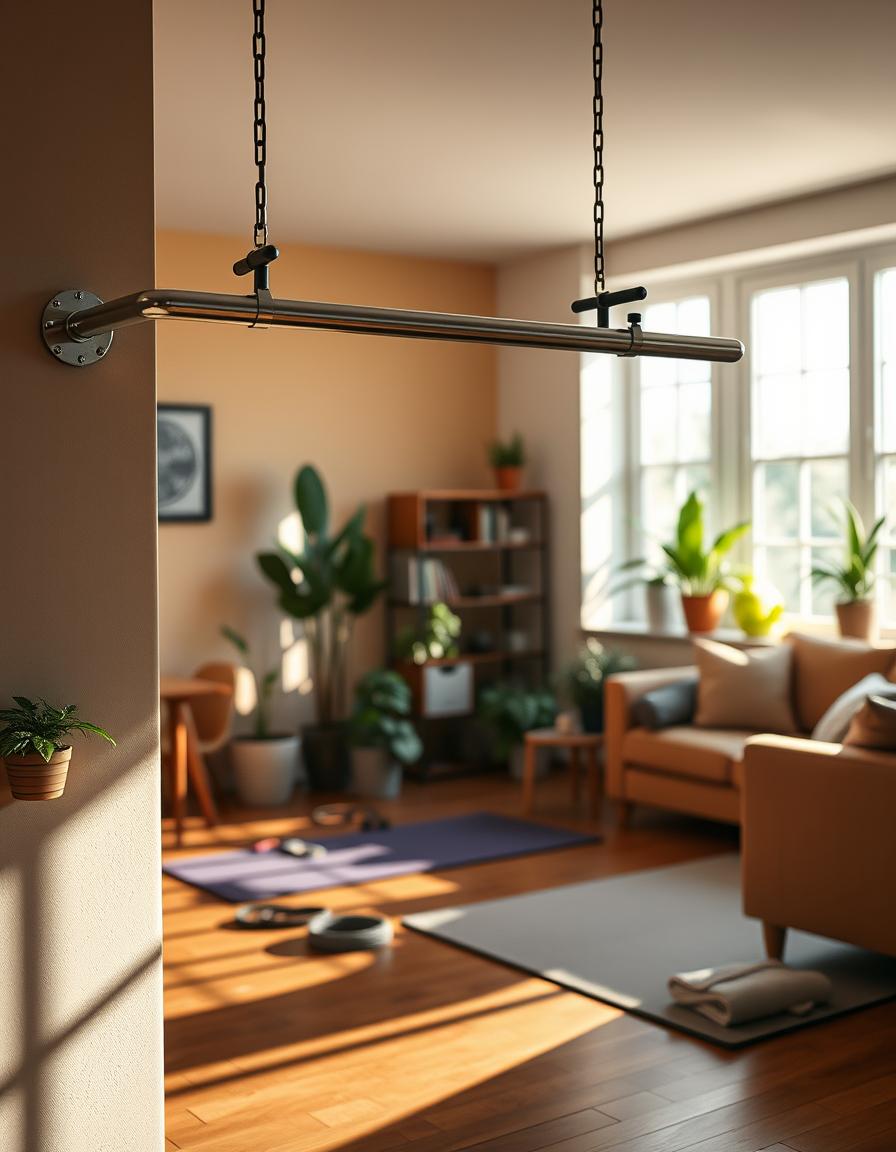

Working out at home has become increasingly popular, especially when gym visits aren’t always possible. One simple yet effective tool that can completely transform your home fitness routine is a pull up bar. It’s compact, easy to install, and offers a range of exercises that target multiple muscle groups. Pull up bar workouts are great for building upper body strength, improving endurance, and enhancing overall fitness without needing tons of equipment.
Why Choose Pull Up Bar Workouts?
Pull up bars are a favorite among fitness enthusiasts because they help develop muscles in the back, shoulders, arms, and even your core. Unlike machines that isolate muscles, pull ups engage several muscle groups at once, making your workout more efficient.
Another plus is that pull up bar workouts can be adapted to different fitness levels. Whether you’re a beginner struggling with your first pull up or an advanced athlete looking for a challenge, there’s an exercise for you.
Installing a Pull Up Bar at Home
Before you jump into exercises, ensuring your pull up bar is safely installed is key. Door frame bars are popular for their ease of use; they typically require no permanent fixtures. Just make sure your door frame is sturdy enough to handle your weight. For those looking for a serious setup, ceiling or wall-mounted bars provide stability but might need professional installation.
Basic Pull Up Bar Exercises
Start with the classics to build a strong foundation. Here are some fundamental pull up bar workouts anyone can try:
- Standard Pull Up: Grip the bar with palms facing away, pull yourself up until your chin clears the bar, then lower yourself down slowly. Works the back and biceps.
- Chin Up: Palms face towards you. This variation emphasizes the biceps more.
- Dead Hang: Simply hang from the bar with arms straight. Great for improving grip strength and stretching the spine.
Tips for Beginners
If you can’t do a full pull up yet, don’t worry. Use a chair or resistance bands to assist, or try negative pull ups—jump up and slowly lower yourself down. These methods build strength gradually.
Intermediate and Advanced Pull Up Bar Workouts
Once you feel confident with the basics, it’s time to mix things up. These exercises will increase difficulty and keep your routine exciting:
- Wide Grip Pull Up: Hands placed wider than shoulder-width target the lats even more.
- Commando Pull Up: Grip the bar with hands close together and pull up so your head moves to one side of the bar, alternating sides.
- Muscle Up: Combines a pull up and dip, requiring strength and coordination to get your chest above the bar.
- Toes to Bar: Hang from the bar and raise your legs to touch your toes to the bar. Fantastic for core strength.
Keep It Balanced
For balanced muscle development, include push-up variations or dips alongside your pull up bar workouts. This helps avoid imbalances that can lead to injury or poor posture.
Sample Pull Up Bar Workout Plan
Try this simple workout if you want a quick, effective session at home:
| Exercise | Reps | Sets | Rest |
|---|---|---|---|
| Dead Hang (warm-up) | 30 seconds | 2 | 30 seconds |
| Standard Pull Up | 5-8 | 3 | 60 seconds |
| Chin Up | 5-8 | 3 | 60 seconds |
| Toes to Bar | 10 | 3 | 45 seconds |
| Negative Pull Up | 5 | 3 | 60 seconds |
Common Mistakes to Avoid
Pull up bar workouts are effective, but doing them incorrectly can cause frustration or injury. Here are a few pitfalls to watch out for:
- Using Momentum: Swinging your body to get over the bar reduces the workout’s effectiveness.
- Partial Range of Motion: Not going all the way up or down limits muscle engagement.
- Ignoring Warm-ups: Skipping warm-up stretches can lead to muscle strain.
- Overtraining: Pull ups demand a lot from your muscles, so allow time for recovery.
Benefits Beyond Strength
Pull up bar workouts also improve grip strength, which helps with everyday tasks like carrying groceries or opening jars. Plus, hanging from a bar decompresses your spine, giving relief if you’re tight from sitting a lot. It’s like a mini-vacation for your back!
And here’s a little secret for those watching what they eat: understanding your food choices can boost your workout results. For a helpful guide on eating wisely while keeping calories in check, check out this chick fil a nutrition resource.
Maintaining Consistency
The key to seeing progress with pull up bar workouts is consistency. Try to fit these exercises into your routine at least three times a week. Keep a journal or use an app to track your reps and sets, which can motivate you and show improvements over time.
Conclusion
Pull up bar workouts offer an accessible and efficient way to build upper body strength and improve fitness right at home. With a little patience and practice, challenging exercises like muscle ups or toes to bar can become part of your routine. Remember to focus on form, avoid common mistakes, and combine your training with proper nutrition. Doing so will ensure you get the most from your efforts and enjoy the journey to a stronger, healthier you.

I’m Sandy – sharing simple tips, plans, and motivation to help you stay in a calorie deficit Plan and reach your fitness goals.
