
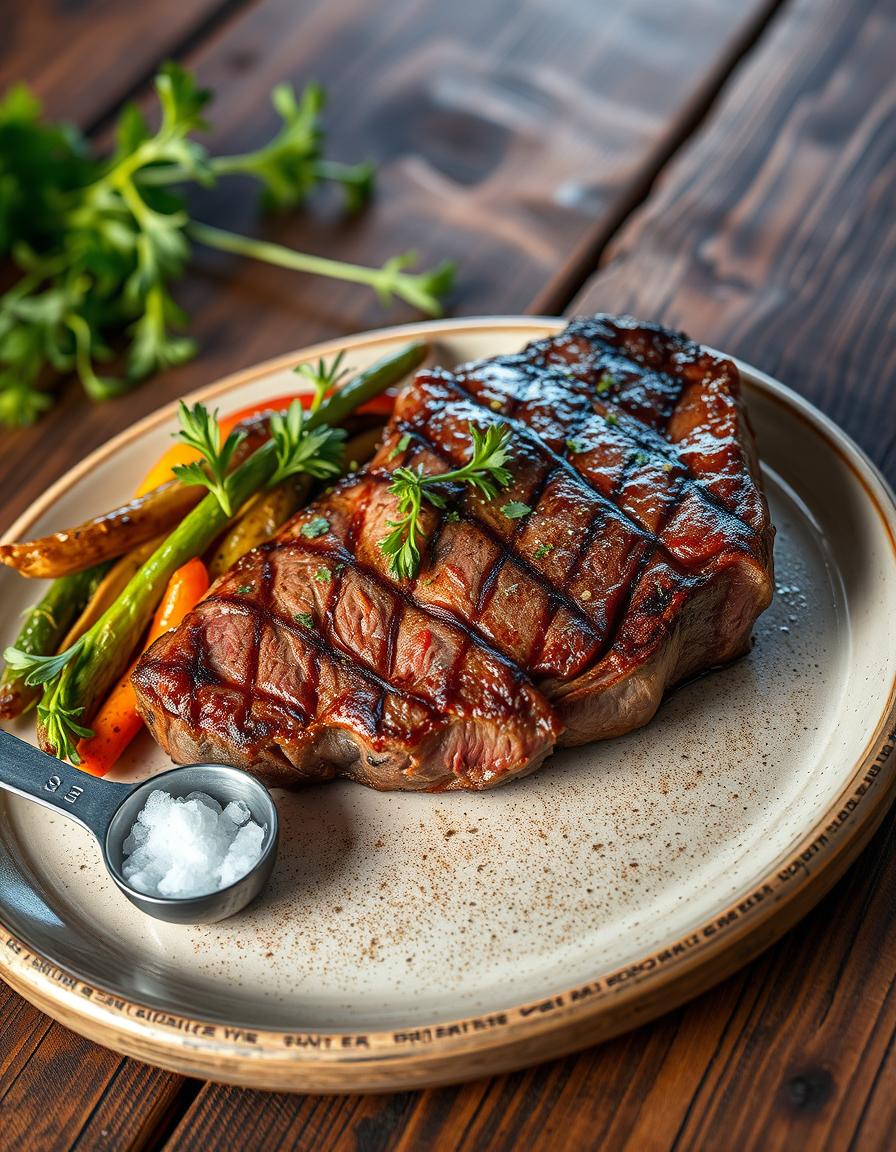

Steak is a favorite for many, whether grilled at a backyard barbecue or served as a hearty dinner. But if you’re watching your diet or curious about your food’s nutrition, knowing steak calories per ounce is a handy bit of info. Understanding this helps you enjoy your favorite cut without overdoing it on calories. Whether you’re a fitness enthusiast or just trying to eat smarter, knowing how much energy you’re getting from each bite can make a big difference.
What Affects Steak Calories Per Ounce?
Not all steaks are created equal when it comes to calories. Different cuts, fat content, and cooking methods all play a role in how many calories are packed into each ounce of steak. For example, a lean cut like sirloin will have fewer calories per ounce than a fattier ribeye.
Cooking also matters. A steak grilled with no added fat will have fewer calories than one cooked in butter or oil. Plus, juices and fat can drip away when grilling, slightly lowering the calorie count.
Common Steak Cuts and Their Calories
Here’s a quick look at some popular steak cuts and their average calories per ounce:
| Steak Cut | Calories Per Ounce | Notes |
|---|---|---|
| Sirloin | 55-60 | Lean, great for grilling and broiling |
| Ribeye | 75-85 | Higher fat content, very flavorful |
| Filet Mignon (Tenderloin) | 50-60 | Very lean and tender |
| New York Strip | 65-75 | Moderate fat, good marbling |
| Flank Steak | 55-65 | Lean, best sliced thin |
As you can see, the difference in steak calories per ounce can be quite noticeable. Choosing a leaner cut can save you dozens of calories per serving.
How to Measure Steak Calories Per Ounce
Want to get precise? Weighing your steak before cooking is a smart move because cooking changes the weight. Meat loses water and fat, which means the steak shrinks. A 6-ounce raw steak might end up being 4.5 ounces once cooked.
To estimate calories, first weigh the raw steak in ounces, then multiply by the calories per ounce listed above for your cut. This gives the total calories before cooking.
If you only have cooked weight, remember that cooked steak is more calorie-dense by weight. For example, a cooked ounce of ribeye has more calories than a raw ounce because the water is gone, concentrating the nutrients and fat.
Example Calculation
Say you have a 6-ounce raw sirloin steak. If sirloin has roughly 60 calories per ounce, then:
- 6 ounces × 60 calories = 360 calories before cooking
- After cooking, the steak might weigh 4.5 ounces, so calories per cooked ounce go up to about 80
This explains why some nutrition labels show higher calories for cooked meat. The weight loss is the reason.
Tips for Managing Steak Calories Without Losing Taste
Don’t worry about giving up flavor if you’re watching calories! Here are some simple ways to keep your steak tasty and lighter:
- Choose lean cuts: Filet mignon or sirloin tend to have fewer calories.
- Trim the fat: Removing visible fat before cooking cuts down calories.
- Use lower-calorie cooking methods: Grilling or broiling lets fat drip away.
- Avoid heavy sauces: Opt for herbs, spices, or a squeeze of lemon instead of buttery sauces.
It’s a bit like dressing a salad. Sometimes less is more!
Steak Calories Per Ounce Compared to Other Protein Sources
Wondering how steak stacks up against other proteins? Here’s a simple comparison:
| Protein Source | Calories Per Ounce |
|---|---|
| Chicken Breast (skinless) | 35-40 |
| Salmon | 55-60 |
| Steak (Sirloin) | 55-60 |
| Pork Chop | 45-50 |
As you can see, steak isn’t the highest-calorie protein but it also isn’t the lightest. It’s a great source of iron and B vitamins too, which makes it worth the occasional indulgence. Just keep an eye on portion size!
Understanding Portion Sizes for Steak
When it comes to steak calories per ounce, portion control is key. Most diet experts recommend around 3-4 ounces of cooked lean meat per meal. That’s roughly the size of a deck of cards or the palm of your hand.
Eating much more than that regularly can add up in calories quickly. If a ribeye runs about 80 calories per cooked ounce, 6 ounces is already 480 calories just from steak.
Remember, balancing your plate with vegetables, grains, and healthy fats helps you feel satisfied without overload.
On a side note, if you ever need a quick refresher on snack choices, check out this fruit snacks nutrition facts guide. It’s a neat resource to understand what’s packed inside those sweet treats!
Common Misconceptions About Steak Calories
Some folks think steak is always bad for weight management. Truth is, it depends on the cut, portion size, and cooking method. Steak can fit well in a balanced diet.
Others believe that all red meat is super high in calories, but lean cuts prove otherwise. Just because you love a juicy steak doesn’t mean you have to ditch fitness goals!
Also, beware of counting calories only without considering nutrients. Steak delivers protein, iron, zinc, and vitamin B12 – all essential for your body’s energy and muscle repair.
Final Thoughts on Enjoying Steak Mindfully
Keeping track of steak calories per ounce turns eating steak from a guesswork game into informed fun. It’s all about enjoying your meal while balancing your daily calorie budget.
If you’re new to this, start by weighing your steak before cooking and choose lean cuts. Use simple seasonings and cooking styles that don’t add sneaky calories. Over time, you’ll get a feel for portions that keep both your taste buds and waistline happy.
Conclusion
Steak is a delicious, protein-rich food that can fit into a healthy lifestyle when eaten mindfully. Knowing steak calories per ounce helps you control portions and choose cuts that suit your goals. Remember that leaner cuts like sirloin and filet mignon have fewer calories, and cooking methods can affect the final count as well.
By weighing your steak and being smart about preparation, you can enjoy the rich flavors without guilt. Combine your steak with plenty of veggies and balanced sides, and you’ve got a winning meal on your hands. Whether it’s a special treat or regular part of your diet, understanding the numbers behind the steak is your secret weapon for tasty, balanced eating.

I’m Sandy – sharing simple tips, plans, and motivation to help you stay in a calorie deficit Plan and reach your fitness goals.
