
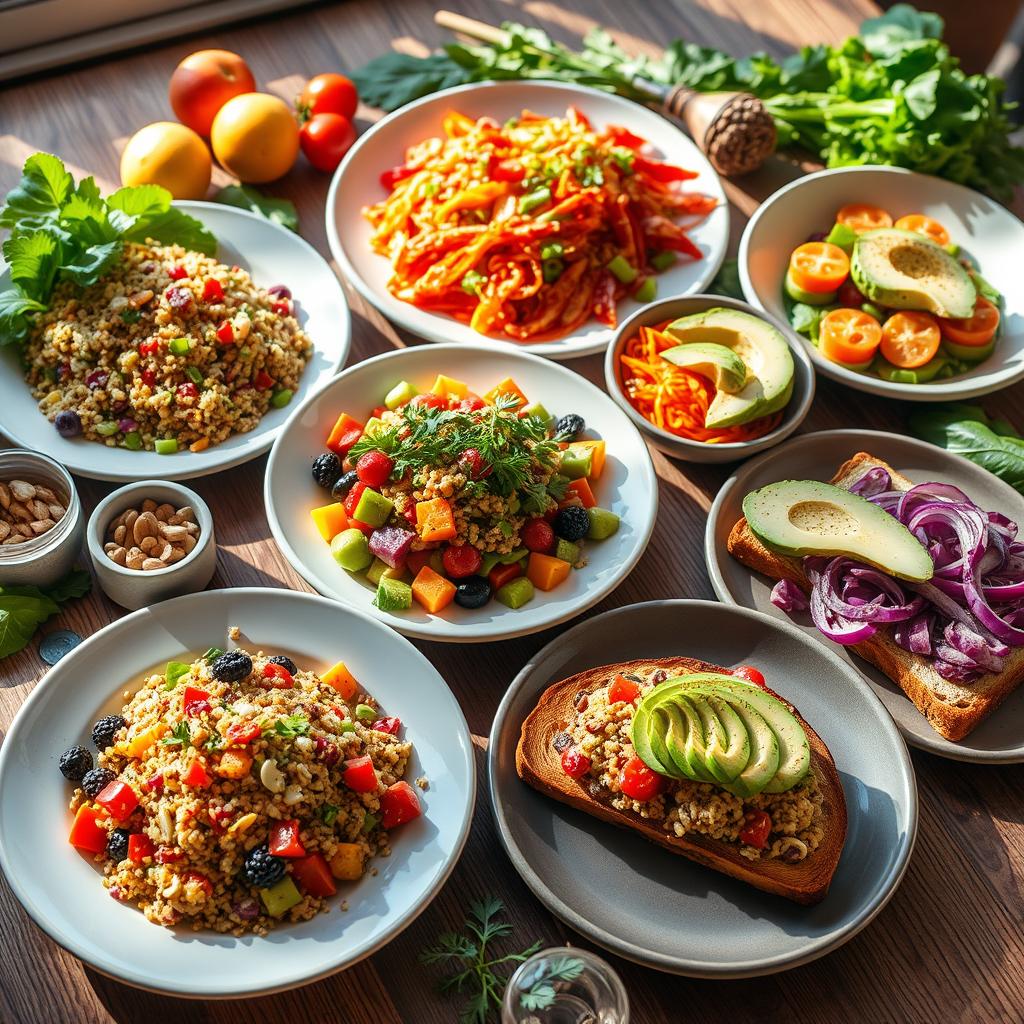

Have you ever wondered how a vegetarian meal plans can naturally help you shed those extra pounds? The answer lies in its focus on nutrient-dense, plant-based foods that not only fuel your body but also keep your metabolism humming and your hunger in check. By prioritizing whole foods like colorful vegetables, hearty grains, and protein-packed legumes, you’re setting yourself up for a diet that’s as satisfying as it is slimming.
The Power of Plant-Based Foods
Plant-based foods are a powerhouse for sustainable weight loss. Here’s why:
- Boosts Metabolism: High-fiber foods like fruits, vegetables, and whole grains require more energy to digest, helping you burn calories even after eating.
- Promotes Satiety: Fiber and plant-based proteins, such as beans and lentils, keep you feeling full for longer, curbing unnecessary snacking.
- Nutrient-Rich Choices: Whole, unprocessed foods provide vital vitamins and minerals while being naturally lower in calories compared to refined or processed alternatives.
Why Whole Foods Are Key
To make your weight loss journey sustainable, it’s crucial to focus on a balanced plate filled with real, whole foods:
- Incorporate colorful vegetables, like spinach, carrots, and bell peppers, to create nutrient diversity.
- Add satisfying whole grains such as quinoa or brown rice to keep energy levels steady throughout the day.
- Lean on plant-based proteins like tofu, tempeh, and chickpeas to build muscle and support metabolism.
Finally, remember to limit refined carbs and processed snacks while they might be vegetarian, they often contain empty calories that can derail your progress. By choosing nutrient-rich, whole plant-based foods, you’ll not only slim down naturally but also nourish your body for long-term health.
Key Principles for Effective Weight Loss on a Vegetarian Diet
When it comes to successful weight loss on a vegetarian diet, the fundamentals boil down to balance, mindfulness, and smart choices. But how do you put these principles into practice without getting overwhelmed? Let’s break it down so you can start building a sustainable and enjoyable eating plan today.
Master Portion Control and Calorie Awareness
One of the most common mistakes people make is underestimating their portion sizes or inadvertently overindulging in calorie-rich vegetarian foods like nuts, seeds, and oils. If you’re aiming for weight loss, staying within a reasonable calorie range is crucial. Following a structured plan, such as a calorie deficit meal plan, can help you create consistency while ensuring that you don’t overeat.
A vegetarian diet has the potential to pack in tremendous variety and nutrition, but achieving optimal balance isn’t automatic! When meal planning, aim to include all three macronutrients protein, healthy fats, and complex carbohydrates. Here’s a simple breakdown to guide your plate:
- Protein: Prioritize plant-based sources like lentils, chickpeas, tofu, tempeh, edamame, or protein-rich grains like quinoa.
- Healthy Fats: Include avocados, nuts, seeds, and olive oil, but keep your portions moderate given their calorie density.
- Complex Carbs: Opt for whole grains like brown rice, oats, and farro, and make vegetables especially leafy greens and starchy optionsa central focus.
Steer Clear of Processed Pitfalls
While vegetarian options like veggie burgers, meat substitutes, and packaged snacks are convenient, they’re often high in sodium, refined carbs, and unhealthy additives, which could undermine your weight loss efforts. Instead, emphasize whole, minimally processed foods that nourish your body and keep you feeling full for longer.
By embracing these principles portion control, nutrient balance, and avoiding processed foods you’ll set yourself up for lasting success. After all, a well-planned vegetarian diet isn’t just about cutting out meat; it’s about fueling your body with quality foods that work harmoniously toward your goals.
Designing a Weight-Loss-Friendly Vegetarian Meal Plan
Crafting a 7-day vegetarian meal plan that supports your weight-loss goals doesn’t have to be complicated. With some careful planning and smart ingredient choices, you can create a well-balanced plan that’s both delicious and effective. Let’s break it down step by step.
Steps to Build Your Meal Plan
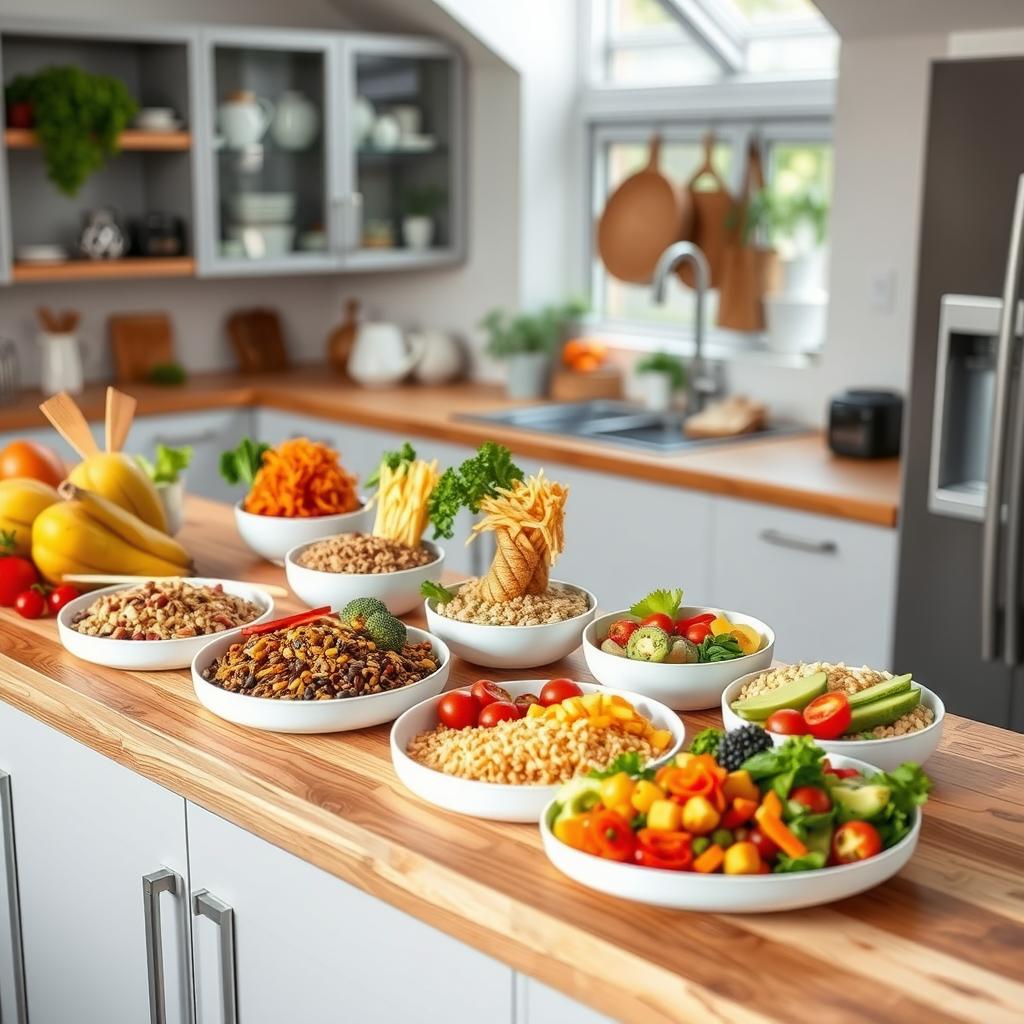
Start with Whole Grains: Whole grains like quinoa, brown rice, and oats not only provide sustained energy but are also packed with fiber to keep you full. Swap refined carbs (e.g., white bread or pasta) for these nutrient-dense alternatives. Incorporate Protein Powerhouses: Legumes (lentils, chickpeas, and black beans), tofu, tempeh, and edamame should be staples. These plant-based proteins are not only satisfying but also essential for muscle preservation during weight loss. Pile on the Vegetables: Fill half your plate with a colorful variety. Leafy greens, cruciferous veggies like broccoli, and bell peppers ensure you’re getting fiber, vitamins, and antioxidants. Be Strategic with Fruits: Opt for low-glycemic fruits like berries, apples, and kiwis to satisfy sweet cravings without spiking blood sugar. 5. Customize Your Calorie Needs: Aiming for weight loss? Tailor your portion sizes or adopt a calorie-controlled plan, like a 1,200- or 1,500-calorie target, depending on your individual needs. You can use tools like food scales or apps for precision.
Sample 7-Day Vegetarian Meal Plan Snapshot
Here’s a closer look at what a balanced day in a vegetarian weight-loss meal plan might look like. Adapt portions to match your calorie goals:
| Meal | Example | Benefits |
|---|---|---|
| Breakfast | Overnight oats with almond milk, chia seeds, and fresh berries | Rich in fiber and antioxidants; sustained energy |
| Lunch | Quinoa salad with kale, chickpeas, cherry tomatoes, and a lemon-tahini dressing | High in protein and healthy fats; nutrient-dense |
| Snack | Sliced vegetables (carrots, cucumbers) with hummus | Low-calorie, high-fiber option to curb hunger |
| Dinner | Stuffed bell peppers with lentils, brown rice, spinach, and spices | Filling, balanced, and packed with plant-based protein |
Keep it Simple and Flexible
Remember, a successful vegetarian meal plan is one that works for you. Rotate your favorite meals, prepare ingredients in advance, and don’t shy away from experimenting with spices and herbs for flavor. By prioritizing whole, minimally processed foods, you’re setting yourself up for sustainable weight-loss success while enjoying every bite.
Best High-Protein Vegetarian Foods to Include
Have you ever wondered how to stay energized and yes, burn fat without stacking your plate with meat-based proteins? The answer lies in high-protein vegetarian foods that not only fuel your body but also help you preserve muscle while shedding those extra pounds. Let’s dig in. High-protein foods are essential for fat loss because they simplify your weight-loss goals in two major ways: they keep you feeling fuller for longer, minimizing unnecessary snacking, and they aid in preserving lean muscle, which keeps your metabolism humming along. Luckily, plant-based diets are full of nutrient-packed options to meet your protein needs without compromising on health or flavor. Here are some plant-based protein stars to include in your vegetarian meal plans:
- Legumes (Lentils, Chickpeas, Black Beans): Packed with fiber and protein, these are a versatile option for soups, stews, and salads.
- Tofu and Tempeh: These soy-based proteins are incredibly adaptable, whether you’re stir-frying, grilling, or adding them to curries.
- Quinoa: A complete protein (meaning it contains all nine essential amino acids), quinoa doubles as a carb and protein source in your meals.
- Nuts and Seeds: Almonds, sunflower seeds, and chia seeds are nutrient-dense, offering healthy fats and a protein boost.
- Plant-Based Protein Powders: A handy option for smoothies or post-workout shakes when you need quick, convenient nutrition.
Want to achieve the magic of a “complete protein” in your vegetarian meals? If you pair complementary ingredients, like rice with beans or whole-wheat bread with peanut butter, you’ll tick all the boxes for amino acids that your body can’t produce on its own. It’s simpler than it sounds, and these tasty food combinations open up a world of culinary creativity. Incorporating enough high-protein options into your vegetarian meal plans does more than just support healthy weight management it transforms your meals into nourishing, satisfying fuel that aligns with your goals. So, go ahead and explore the range of flavors that make plant-based eating powerful and delicious!
Practical Meal Prep Tips for Success
Sticking to vegetarian meal plans for weight loss doesn’t have to mean spending hours in the kitchen. With a little planning and the right strategies, you can enjoy wholesome, delicious meals even on your busiest days. To help you get started, here are some practical tips to simplify meal prep, keep your meals fresh, and make the most out of your time.
1.Simplify Your Prep Work
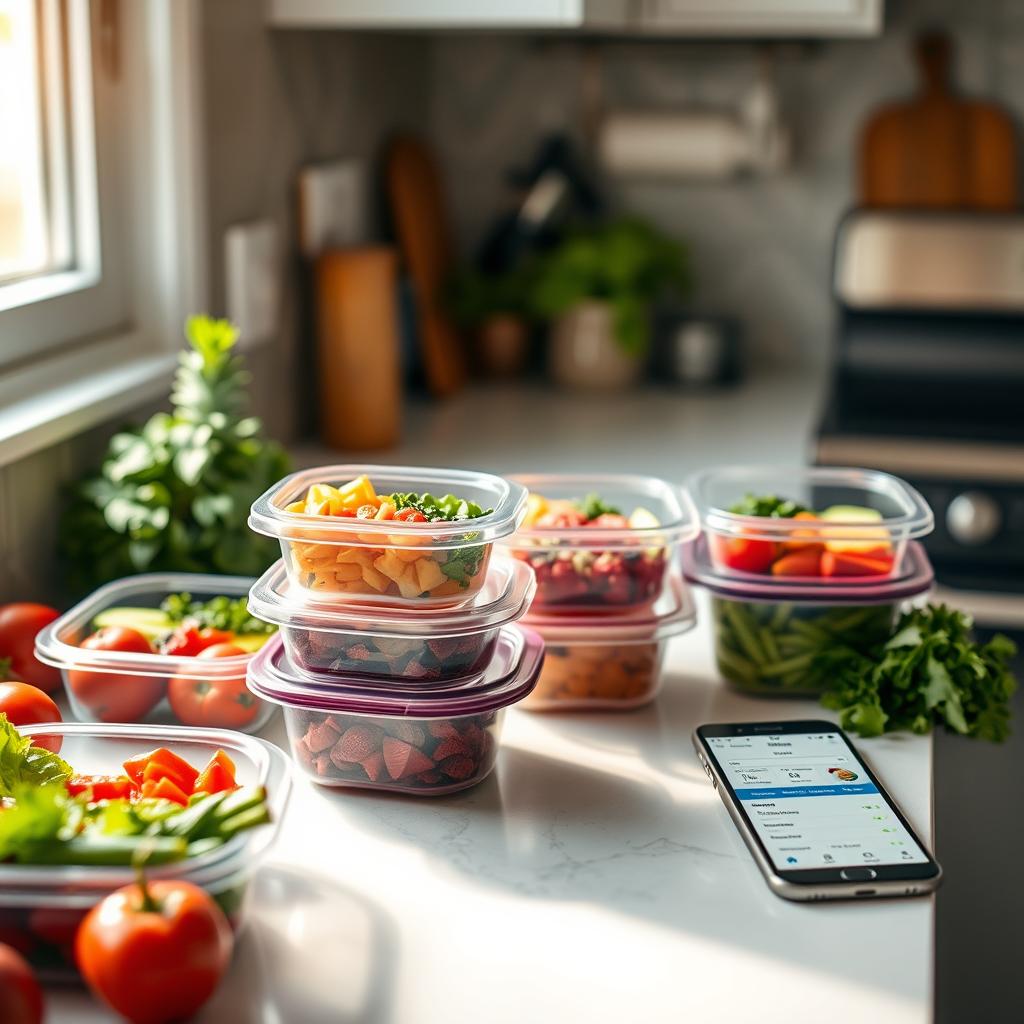
- Batch-cook staples: Cook large portions of versatile ingredients like quinoa, brown rice, roasted vegetables, or lentils. Store them in airtight containers to mix and match during the week.
- Use pre-cut options: Save time by purchasing pre-washed greens, spiralized vegetables, or frozen fruits for smoothies.
- One-pot meals: Soups, stews, and casseroles are perfect for cooking ahead and reheating later without sacrificing flavor.
-
Master the Art of Storage
Meal prep doesn’t stop when you’ve finished cooking. Proper storage can make the difference between vibrant, flavorful dishes and soggy, tasteless ones. Follow these tips for best results:
- Invest in quality containers: Airtight, BPA-free containers help keep food fresh longer. Glass options are great for reheating without losing texture.
- Layer strategically: If making salads, layer leafy greens on top to prevent wilting. Store dressings separately for easy mixing just before serving.
- Freeze extras: Don’t hesitate to freeze portioned-out meals like vegetable curry or black bean chili. When you’re short on time, just defrost, heat, and enjoy.
-
Use Smart Tools and Planning Apps
Technology can take much of the guesswork out of meal prepping. Here are a few tools to streamline your efforts:
- Meal planning apps: Apps like Mealime or Forks Over Knives make it easy to create weekly vegetarian meal plans catered to your weight-loss goals.
- Kitchen gadgets: Utilize time-savers like food processors, an Instant Pot, or a rice cooker to speed up prep and cooking tasks.
- Fitness synergy: Pair your meal prep routine with fitness strategies like peloton weight loss tips to maximize the benefits of your healthy lifestyle.
With these meal prep hacks, you’ll not only save time but also ensure that your vegetarian meals stay fresh, flavorful, and perfectly balanced for effective weight loss. Now, you’re ready to crush your wellness goals without ever feeling overwhelmed!
Hybrid Approaches to Vegetarian Weight Loss
What if you could pair the best aspects of the Mediterranean diet with vegetarian meal plans to accelerate your weight-loss journey? A hybrid approach might just be the key to unlocking sustainable results. By merging the nutrient-dense, heart-healthy principles of the Mediterranean diet with the plant-based foundation of vegetarianism, you’re not only fueling your body with high-quality nutrients but also setting yourself up for long-term success.
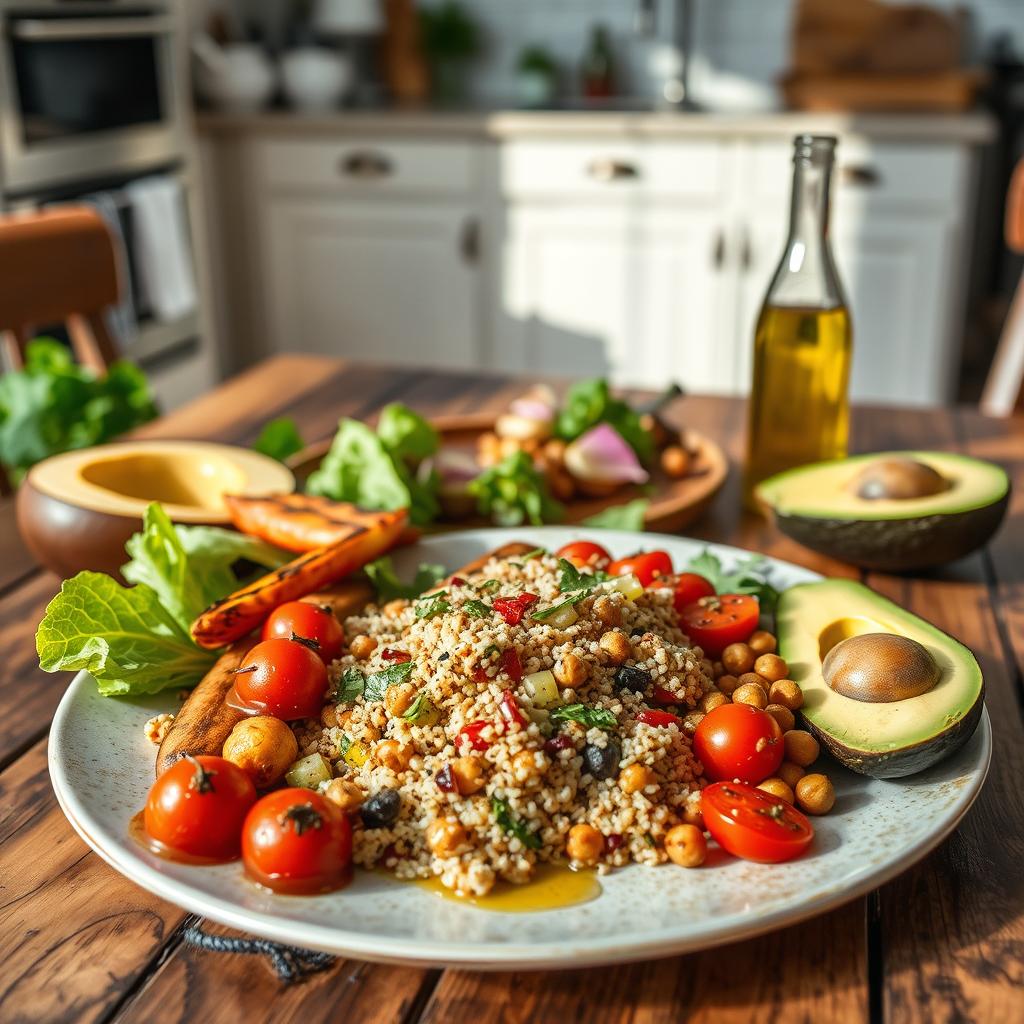 The Mediterranean diet’s focus on whole grains, fresh vegetables, fruits, and healthy fats like olive oil, nuts, and seeds complements vegetarian recipes beautifully. Together, they emphasize nutrient diversity, which can enhance satiety and reduce the temptation to overeat. By combining the plant-forward strategies of vegetarianism with the balanced simplicity of Mediterranean eating, you create a powerful weight-loss combination that’s as flexible as it is flavorful.
Adding a Plant-Based Keto Touch
For those looking to kickstart weight loss, incorporating aspects of a plant-based keto approach into your vegetarian meal plan can bring exciting results. While vegetarian diets often rely on grains and legumes for protein, a plant-based keto angle shifts the focus toward low-carb vegetables, avocados, tofu, and other high-fat, plant-powered foods. Why does this work? Reducing carbohydrates while increasing healthy fats can help stabilize blood sugar levels, which may curb hunger pangs and support fat burning. The beauty of blending approaches is that you don’t have to be strictly keto feel free to experiment and find what works best for your body!
Tips for a Flexible and Sustainable Plan
Adopting a flexible approach ensures you stay on track without feeling restricted. Here’s how to make the most of hybrid strategies:
- Mix and match cuisines: Combine plant-based Mediterranean dishes like Greek lentil salad with keto-friendly swaps, such as cauliflower-based sides.
- Start small: Introduce one keto-inspired meal a day to ease into a lower-carb style.
- Monitor portion sizes: Hybrid approaches still benefit from calorie awareness pile your plate with vegetables and balance fats to avoid overindulging.
- Stay creative: Experiment with spices and sauces inspired by Mediterranean or fusion cooking to keep meals exciting.
By weaving together elements from different dietary styles, you create a dynamic vegetarian meal plan that aligns with your weight-loss goals while keeping your meals satisfying and nutritious. Why limit yourself to one method when you can blend the best of many?
Mistakes to Avoid for Effective Vegetarian Weight Loss
Are you feeling frustrated because your vegetarian diet isn’t helping you shed those extra pounds? If so, you’re not alone. While a plant-based diet can be incredibly effective for weight loss, there are common pitfalls that even the most health-conscious individuals fall into. Let’s shine a light on these mistakes so you can stay on track and reap the full benefits of your vegetarian lifestyle.
-
Over-Reliance on Processed or Refined Foods
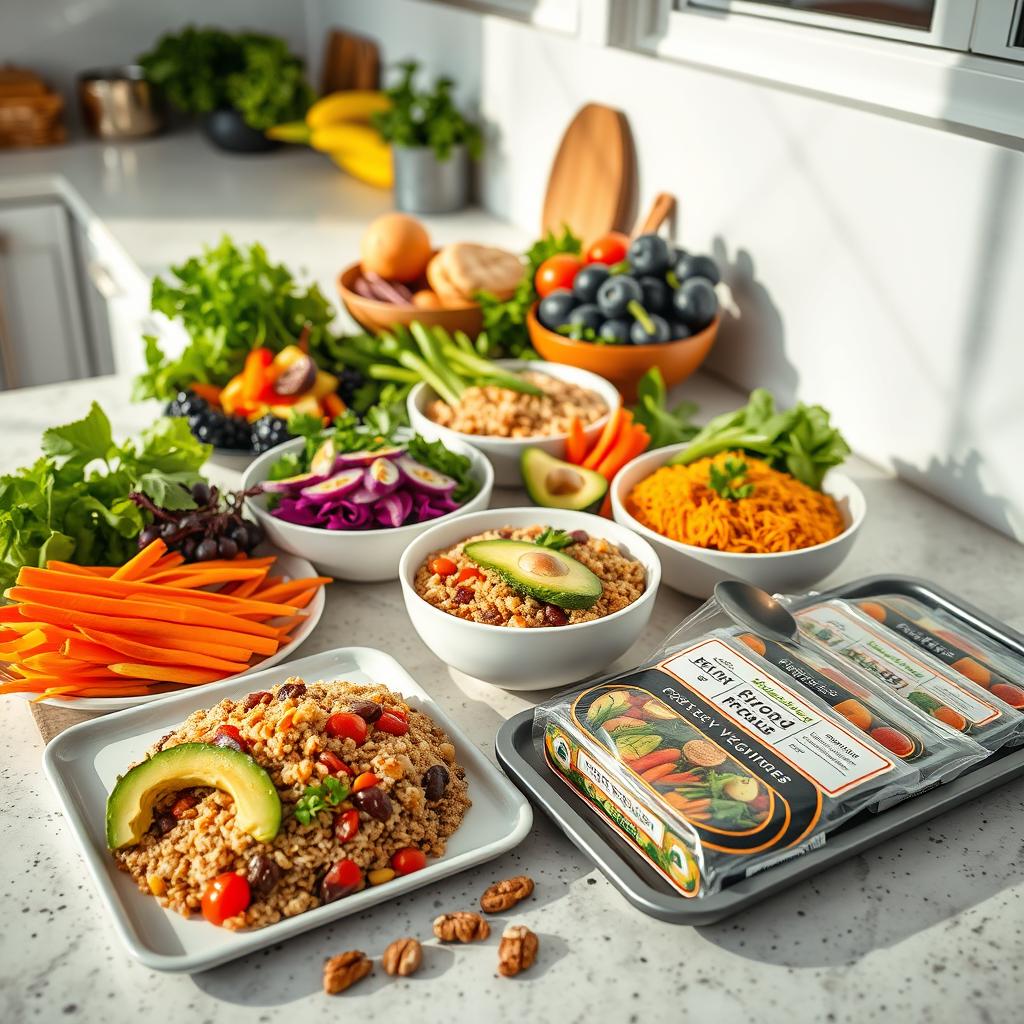
It’s easy to assume that all vegetarian foods are inherently healthy, but this could not be further from the truth. Pre-packaged veggie burgers, meat substitutes, and snacks might be convenient, but they’re often laden with sodium, added sugars, and unhealthy fats. White pasta, bread, and other refined carbs can also sabotage your weight loss efforts by spiking your blood sugar and leading to hunger spikes. Instead, focus on whole grains, fresh vegetables, and homemade meals to ensure you’re getting real, nutrient-dense food.
-
Neglecting Protein and Healthy Fats
Have you ever skipped adding chickpeas to your salad or avocado to your smoothie because they didn’t seem “essential”? This is a common mistake! Protein and healthy fats play a crucial role in keeping you full and satisfied, preventing overeating later. Add a handful of nuts, seeds, tofu, or lentils to your meals. Including food items rich in omega-3, like chia seeds or flaxseeds, can also support overall health while keeping your weight goals intact.
-
Ignoring Portion Sizes and Calories
Even with the healthiest ingredients, consuming large portions can stall your progress. Remember, portion control is key, and paying attention to your calorie intake doesn’t mean you need to feel deprived. Creating structured vegetarian meal plans can simplify this process and help ensure you’re meeting your goals comfortably.
- Limit processed vegetarian foods like frozen meat alternatives and chips. Homemade options are often healthier.
- Incorporate plant-based protein sources such as legumes, tofu, and tempeh with every meal.
- Be mindful of portions measure out ingredients like grains and nuts to avoid overeating.
By addressing these common mistakes, you can transform your vegetarian diet into a powerhouse for weight loss. Small, mindful changes will not only help you reach your goals faster but also leave you feeling energized and satisfied every step of the way.
Actionable Recipes and Sample Ideas for a Healthy Vegetarian Day
Looking for inspiration to start your vegetarian meal plans for weight loss? Here’s a roundup of easy-to-prepare, high-protein recipes and snack ideas that will keep you full, energized, and on track with your goals. After all, the secret to a satisfying meal plan lies in its variety and simplicity. Let’s dig in!
Example 1-Day Vegetarian Meal Plan
- Breakfast: Start your day with a hearty Spinach and Feta Veggie Omelette. Use three egg whites, a handful of baby spinach, diced tomatoes, and a sprinkle of feta cheese. Pair it with a slice of whole-grain toast.
- Lunch: Whip up a simple Chickpea and Quinoa Salad. Combine cooked quinoa, canned chickpeas (rinsed), cucumbers, cherry tomatoes, and a tangy lemon-tahini dressing. It’s light, refreshing, and packed with plant-based protein.
- Dinner: Indulge in a savory bowl of Lentil and Sweet Potato Curry. Simmer red lentils with diced sweet potatoes, coconut milk, curry spices, and a handful of spinach. Serve over steamed cauliflower rice or brown rice for added fiber.
Smart Snacking and Guilt-Free Desserts
Snacks are often where weight-loss plans derail, but they don’t have to be. Here are some guilt-free options:
- Snack Idea 1: A handful of roasted edamame or spiced chickpeas the perfect crunch with a protein punch.
- Snack Idea 2: Sliced apples with a tablespoon of almond butter for a sweet and satisfying treat.
Craving dessert? Try a Dark Chocolate Chia Pudding made with unsweetened almond milk, chia seeds, cocoa powder, and a touch of maple syrup. Chill overnight for a creamy, satisfying end to your day.
Pro Tip to Maximize Weight Loss
When building your day, focus on pairing high-protein foods with fiber-rich vegetables and whole grains. This not only keeps you feeling full longer but also helps stabilize your energy throughout the day. Remember, your meal plan doesn’t have to be monotonous experiment with flavors and textures to keep things exciting!

I’m Sandy – sharing simple tips, plans, and motivation to help you stay in a calorie deficit Plan and reach your fitness goals.
