
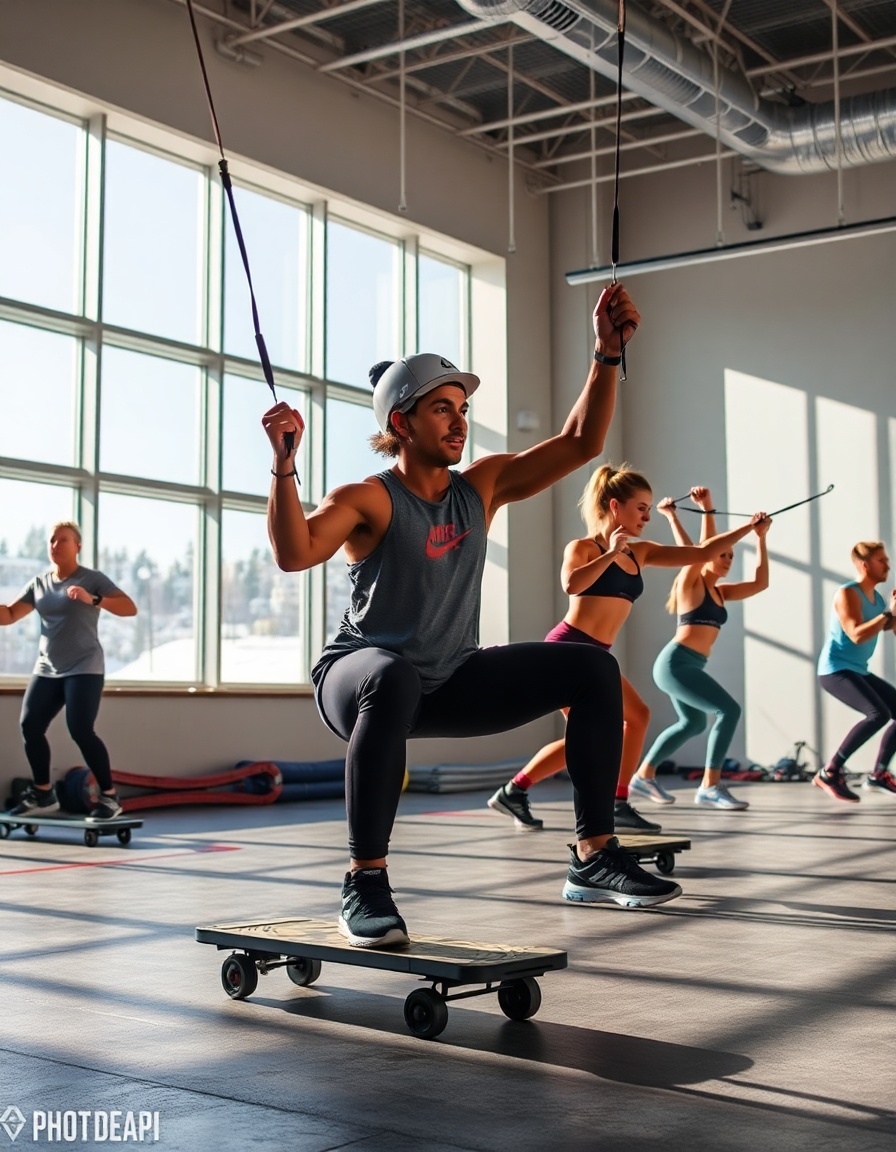

Snowboarding is an exciting winter sport that demands a good mix of strength, balance, and agility. Whether you’re a beginner or an experienced rider, physical preparation can make a huge difference in how you perform on the slopes. Workouts for snowboarding are essential to help prevent injuries, improve your control, and boost your endurance while carving down mountain trails. Getting your body ready with the right exercises also makes the whole experience more enjoyable and less tiring.
Why Workouts for Snowboarding Matter
Imagine hitting the slopes without any physical preparation. Sounds risky, right? Snowboarding requires your body to respond quickly to changes, hold balance on uneven surfaces, and absorb shocks from jumps or turns. If your muscles are weak or your coordination is off, you’re more likely to fall or hurt yourself.
By focusing on specific workouts for snowboarding, you can build the strength and stability needed to stay upright and agile. Plus, these exercises help improve your endurance so you can shred longer without feeling wiped out. Think of it as giving your body a reliable toolbox for handling whatever the mountain throws at you.
Key Areas to Focus On
Not all workouts are created equal, especially when you want to prepare for snowboarding. It’s important to pay attention to several muscle groups and skills that play a big part in your performance. Here’s what you should concentrate on:
- Leg Strength – Your quads, hamstrings, calves, and glutes help with movements, turns, and absorbing bumps.
- Core Stability – A strong core keeps you balanced and controlled while riding.
- Balance and Coordination – Helps you stay steady on the board and react to sudden shifts.
- Cardiovascular Endurance – Keeps your energy levels high for long rides and repeated efforts.
- Flexibility – Reduces the risk of strains and improves your range of motion.
Effective Workouts for Snowboarding
To cover all these areas, combining strength, balance, and cardio exercises is the way to go. Below are some practical workouts for snowboarding that anyone can do with minimal equipment.
Leg Strength Exercises
| Exercise | Description | Reps/Sets |
|---|---|---|
| Squats | Stand with feet shoulder-width apart, lower hips as if sitting in a chair, then rise back up. | 3 sets of 12-15 reps |
| Lunges | Step one leg forward and lower your body until both knees are at 90 degrees, then return. | 3 sets of 10-12 reps each leg |
| Calf Raises | Stand tall and lift your heels off the floor, balancing on your toes, then lower down. | 3 sets of 15-20 reps |
| Glute Bridges | Lie on your back, feet flat, lift your hips toward the ceiling, squeeze glutes, then lower. | 3 sets of 12-15 reps |
Core and Balance Training
Your core acts like your body’s control tower, keeping everything steady. Adding balance training improves your board control and reaction time on the snow.
- Planks: Hold a straight line from head to heels with forearms on the ground for 30-60 seconds. Repeat 3 times.
- Side Planks: Support your body on one forearm and the side of one foot, keeping hips lifted. Hold for 30 seconds each side, 3 rounds.
- Single-Leg Balance: Stand on one foot and try to hold for 30 seconds. To increase difficulty, close your eyes or stand on a soft surface.
- Bosu Ball Exercises: If available, use a Bosu ball to perform squats or balance challenges to simulate uneven terrain.
Cardio for Endurance
Snowboarding demands stamina to stay strong through long runs. Cardiovascular fitness can be built up with simple activities:
- Running or jogging for 20-30 minutes
- Jump rope sessions of 5-minute intervals
- High-intensity interval training (HIIT) combining sprints and rest breaks
- Cycling for 30-45 minutes to boost leg endurance without pounding joints
Stretching and Flexibility
Finally, don’t forget to stretch! Flexible muscles are less likely to get injured, and you’ll move more freely on your board. Consider these stretches:
- Hamstring Stretch: Sit with legs straight and reach for your toes.
- Hip Flexor Stretch: Kneel on one leg and push hips forward gently.
- Quadriceps Stretch: Stand and pull one foot toward your buttocks.
- Spinal Twist: Sit or stand and twist your torso side to side.
Sample Weekly Snowboarding Workout Plan
| Day | Focus | Details |
|---|---|---|
| Monday | Leg Strength | Squats, Lunges, Calf Raises, Glute Bridges |
| Tuesday | Cardio & Core | 20 min run + Planks and Side Planks |
| Wednesday | Balance Training | Single-leg balance, Bosu ball drills |
| Thursday | Rest or light stretching | Focus on flexibility exercises |
| Friday | Leg Strength & Core | Repeat Monday and a plank session |
| Saturday | HIIT/Cardio | Sprints and jump rope intervals |
| Sunday | Rest and Recovery | Light stretching, foam rolling |
Don’t forget, consistency is key. A well-structured workout routine can make your snowboarding season safer and much more fun. If mornings are your preferred time to work out, try incorporating this morning workout routine into your schedule to boost your energy and focus on targeting muscles you’ll use while snowboarding.
Conclusion
Workouts for snowboarding are more than just exercise—they’re a way to prepare your body and mind for the thrill of the slopes. By building leg strength, improving balance, boosting endurance, and increasing flexibility, you’ll feel more confident and enjoy your rides without as much risk of injury. Remember, the best workouts are the ones you stick with, so find activities you enjoy and make them part of your routine. Soon enough, you’ll notice your skills improving and your time on the mountain becoming even more memorable.

I’m Sandy – sharing simple tips, plans, and motivation to help you stay in a calorie deficit Plan and reach your fitness goals.
