
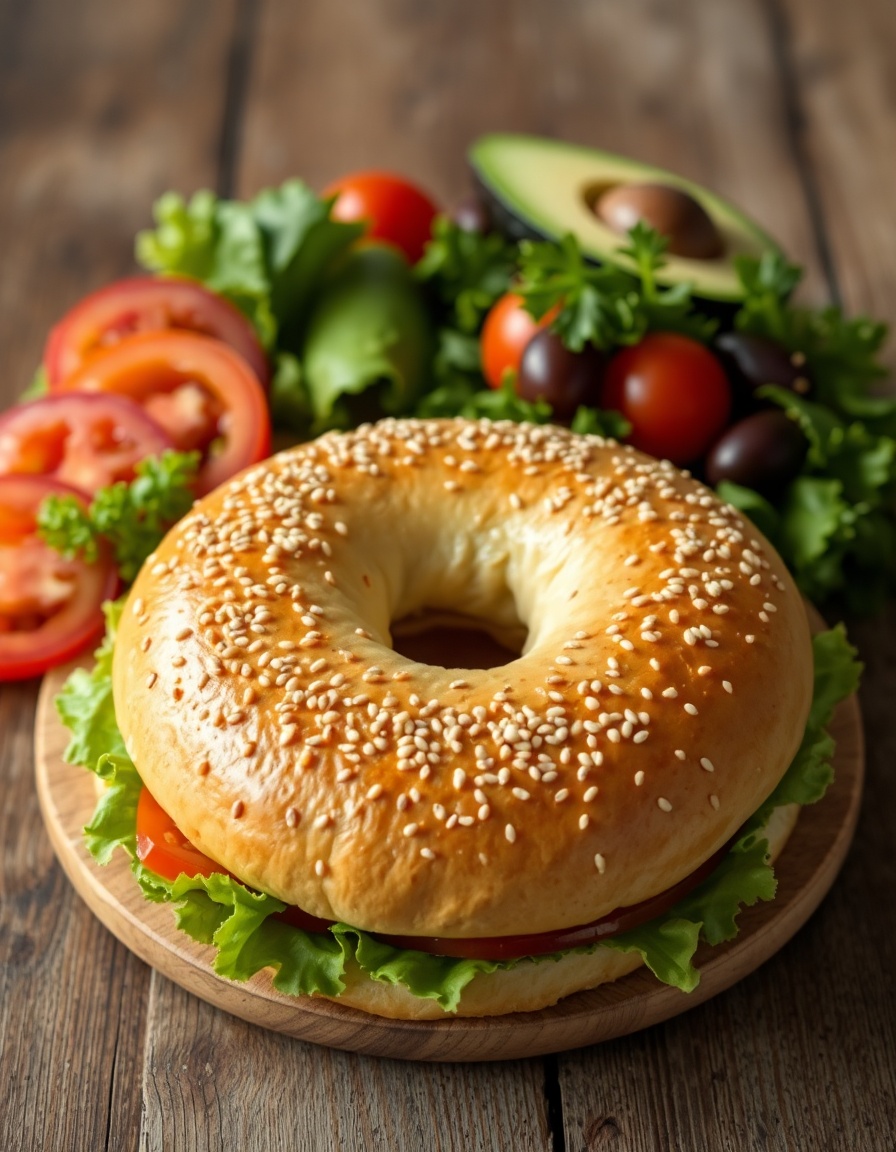

Bagels have a way of sneaking into breakfast menus and snack times with their chewy texture and satisfying crunch. However, traditional bagels can be quite calorie-dense, which might make you hesitate if you’re watching your diet or trying to maintain a healthy lifestyle. Luckily, low calorie bagel options are becoming more popular, allowing people to enjoy this tasty treat without feeling guilty. If you’re curious about making smarter choices while still indulging in bagels, there’s a lot to consider—from ingredients and sizes to toppings and nutritional content.
What Makes a Bagel Low Calorie?
At its core, a bagel is a dense bread roll boiled before baking, which gives it a unique texture. The calorie count of a bagel depends mostly on its size and ingredients. A typical bagel often packs around 250 to 350 calories or more, mostly from carbohydrates and sometimes fats.
A low calorie bagel usually has fewer calories by using alternative ingredients or reducing the size. For example, smaller bagels or “mini” versions naturally have fewer calories. Some brands use whole grains, fiber-rich flours, or added protein to make the bagel more filling but with fewer calories overall.
Ingredients That Affect Calorie Content
Bagels might look simple, but the ingredients can vary greatly, impacting calorie counts:
- Flour type: Whole wheat, oat, or multigrain flours add more fiber but generally keep calories similar.
- Added sugars: Some bagels contain sugar or honey, which increase calories.
- Fats: Ingredients like cream cheese or butter baked inside the dough can significantly raise calories.
- Extras: Seeds or toppings like sesame, poppy, or everything seasoning add flavor but minimal calories.
Choosing low calorie bagels with simpler ingredients or those made without extra sugar and fats will help you keep your calorie intake in check.
Popular Low Calorie Bagel Choices
If you’re hunting for bagels that won’t tip the calorie scale, here are some popular options that strike a balance between taste and nutrition:
| Bagel Type | Approximate Calories | Notes |
|---|---|---|
| Mini Bagel (Plain) | 140-160 | Smaller size means fewer calories but similar taste. |
| Whole Wheat Bagel | 250-270 | More fiber, helps keep you full longer. |
| Thin or Flat Bagel | 180-210 | Less dough, fewer calories but still satisfying. |
| Low Carb Bagel | 150-200 | Higher protein or fiber, fewer carbs. |
| Bagel Thin with Sesame | 160-180 | Low calorie option with flavor from sesame seeds. |
Why Size Matters More Than You Think
Imagine biting into a full-sized bagel twice the size of a regular one. It might look tempting, but the calorie load can be shocking. Smaller bagels are a clever way to indulge without overloading on calories. Even just shaving off a couple of inches can slash calories by nearly half.
It’s like comparing a fun-sized candy bar to a king-sized one – both taste good, but one clearly packs fewer calories.
Tips to Keep Your Bagel Snack Low Calorie
Enjoying a low calorie bagel isn’t just about picking a smaller or specially made bagel. What you add on top can make a huge difference. A bagel slathered with cream cheese or butter can double or triple its calories in minutes.
Smart Spread Choices
- Greek Yogurt-based spreads: Creamy but packed with protein and fewer calories.
- Hummus: Adds flavor with healthy fats and fiber.
- Avocado (in moderation): Great for healthy fats but calories can add up quick.
- Fresh veggies: Tomato slices, cucumbers, sprouts add bulk and nutrients with almost zero calories.
- Light cream cheese: Opt for the low-fat versions or smaller amounts.
Pair Your Bagel Wisely
Instead of sugary juices or sodas, try pairing your bagel with a cup of black coffee, tea, or water with lemon. These choices add hydration without extra calories.
Watch the Toppings on Your Bagel
Bagels loaded with bacon, fried egg, or cheese can quickly turn a low calorie bagel into a calorie bomb. Try lean proteins like turkey slices or a boiled egg for a filling, nutritious meal without the extra fats.
For example, if you want some guidance on balancing calories in your meals, you might find the information about baked chicken thigh calories helpful to understand protein-serving portions without tons of fat.
Making Your Own Low Calorie Bagel at Home
Getting creative in the kitchen can be both fun and healthier. Making your own bagels lets you control what goes inside. You can try recipes that use almond flour, oat fiber, or cauliflower for fewer carbs and calories.
Basic Homemade Low Calorie Bagel Recipe
- 1 cup oat flour (whole grain, high fiber)
- 1 tsp baking powder
- 1/4 tsp salt
- 1/4 cup non-fat Greek yogurt
- 1 egg white (to add protein and bind)
- Optional: sesame seeds or everything bagel seasoning for topping
Mix everything, shape into bagels, boil briefly, then bake. The result? A lower calorie version with more protein and fiber than many store-bought options.
Homemade bagels also allow you to enjoy the chewy, doughy goodness without worrying about hidden sugars or preservatives lurking in commercial brands.
Health Benefits of Choosing Low Calorie Bagels
Besides saving calories, choosing low calorie bagels often means you get more nutritious ingredients. Whole grain or high-fiber bagels aid digestion and help you feel full longer.
- Better blood sugar control: High-fiber bagels slow sugar absorption, preventing spikes.
- Weight management: Lower calorie intake supports your goals without sacrificing bread cravings.
- Improved digestion: Fiber keeps your tummy happy and regular.
Remember, it’s all about balance. Enjoy your low calorie bagel with wholesome toppings and pair it with other nutrient-rich foods to make a satisfying snack or meal.
Conclusion
Low calorie bagels prove that you don’t have to give up your favorite chewy treat to stay on track with your health goals. By choosing smaller sizes, simpler ingredients, and smart toppings, you can enjoy a delicious bagel while keeping calories in check. Homemade options open the door to even more control over what you’re eating, making them a fantastic choice for those who want something unique and nutritious. So next time you crave a bagel, remember that there are plenty of ways to enjoy it without the calorie overload. A little planning and wise choices go a long way toward a tasty, balanced diet.

I’m Sandy – sharing simple tips, plans, and motivation to help you stay in a calorie deficit Plan and reach your fitness goals.
