
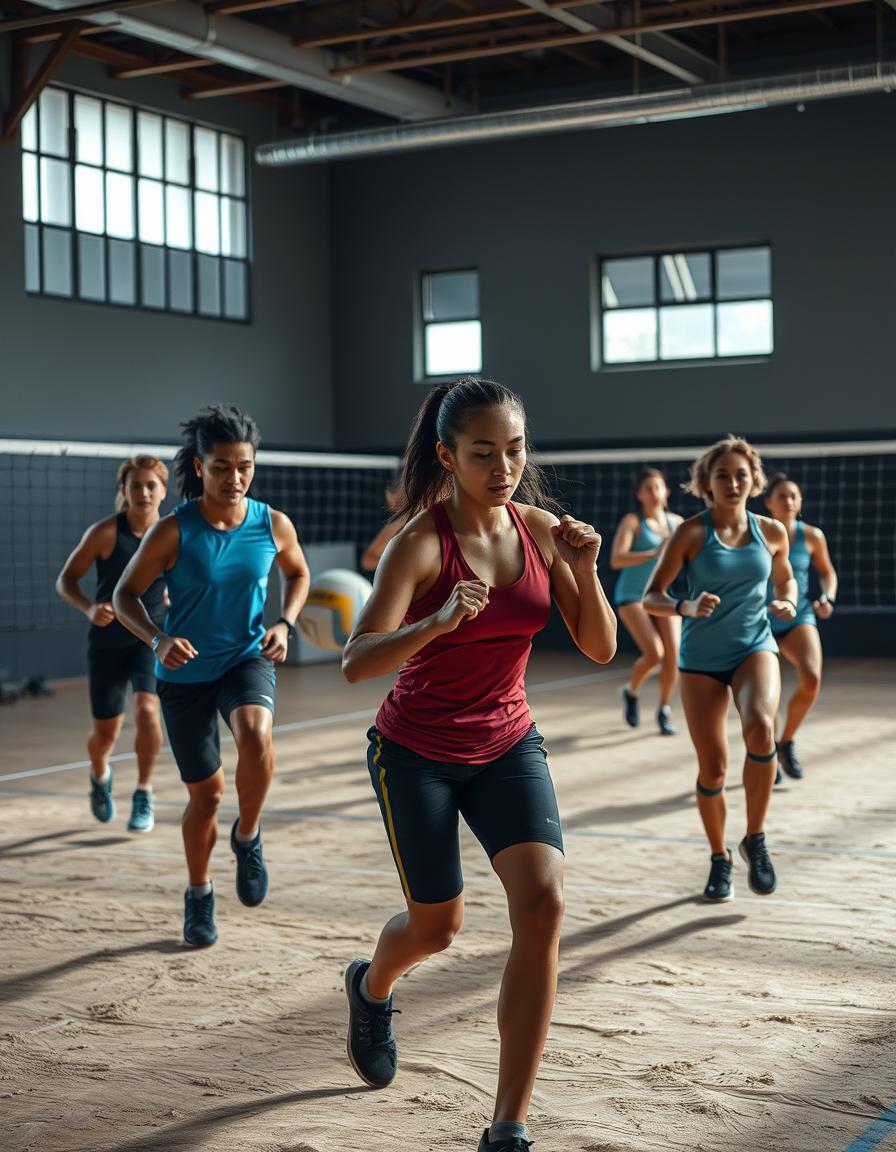

Volleyball is a fast-paced sport that demands agility, strength, and endurance. To play your best on the court, you need to be in top physical shape, and that’s where volleyball conditioning workouts come into play. These workouts focus on building explosive power, improving stamina, and enhancing your overall athleticism. If you’ve ever felt wiped out halfway through a game or struggled to jump high enough for those crucial blocks and spikes, targeted conditioning can make all the difference.
Why Volleyball Conditioning Workouts Matter
Volleyball is more than just hitting a ball over a net. It requires quick reflexes, sudden bursts of speed, and the ability to jump repeatedly without losing energy. Volleyball conditioning workouts help athletes develop these skills by improving cardiovascular fitness, muscular strength, and flexibility. By training your body specifically for the demands of volleyball, you’ll feel more confident and less prone to injury during games.
Here’s the kicker: volleyball involves a lot of short, intense movements rather than long, steady runs. So, your conditioning program should reflect this unique energy pattern, focusing on sprint intervals, plyometric exercises, and strength training rather than long-distance running alone.
Key Components of Volleyball Conditioning Workouts
1. Cardiovascular Endurance
Having good stamina lets you stay active throughout the entire match without feeling winded. Volleyball conditioning workouts often include interval training, which alternates between high-intensity bursts and recovery periods. This style mimics the game’s stop-and-go nature.
- Sprint for 20 seconds, walk or jog for 40 seconds.
- Repeat for 10 rounds.
- Rest for 2 minutes, then repeat 2-3 times.
Such training not only boosts your heart and lung capacity but also helps you recover faster between plays.
2. Strength and Power Training
Jumping high for spikes and blocks requires strong leg muscles. Strength workouts using squats, lunges, and calf raises target the key muscle groups. Adding plyometrics, like box jumps and jump squats, increases explosive power.
Here’s a sample lower-body workout:
| Exercise | Sets | Reps | Purpose |
|---|---|---|---|
| Squats | 3 | 12 | Leg strength |
| Lunges | 3 | 10 each leg | Balance and strength |
| Calf Raises | 3 | 20 | Jumping power |
| Box Jumps | 3 | 8 | Explosiveness |
3. Agility and Speed Drills
Volleyball players must be quick on their feet to react to the ball landing anywhere on the court. Agility ladders, cone drills, and shuttle runs sharpen footwork and improve reaction times.
- Agility Ladder: Perform lateral and forward runs through the ladder, focusing on quick, light steps.
- Shuttle Runs: Sprint back and forth between two points 10-20 yards apart for 30 seconds.
- Cone Drills: Set cones in a T or zigzag pattern and sprint or shuffle through them.
4. Core Stability
A strong core helps maintain balance during quick movements and powerful hits. Incorporate planks, Russian twists, and bicycle crunches into your routine to build this foundation.
Sample Weekly Volleyball Conditioning Workout Plan
To give you an idea of how to mix these components, here’s a sample week:
| Day | Workout Focus | Exercises |
|---|---|---|
| Monday | Endurance & Interval Training | Sprints, jogging intervals, jump rope |
| Tuesday | Strength & Power | Lower body strength training, plyometric jumps |
| Wednesday | Agility & Speed | Agility ladder, shuttle runs, cone drills |
| Thursday | Rest or Active Recovery | Light stretching, yoga, or swimming |
| Friday | Core & Stability | Planks, Russian twists, balance exercises |
| Saturday | Full Body Conditioning | Combination of strength, endurance, and agility drills |
| Sunday | Rest | Relax and recharge |
Nutrition Tips to Support Conditioning
Fueling your body right is just as important as the workouts themselves. Eating balanced meals with the right amount of protein, carbs, and healthy fats helps your muscles recover and grow stronger. For example, cottage cheese is a fantastic snack because it’s high in protein and low in fat. If you’re curious about nutrition details, check out the calories in low fat cottage cheese to see how it fits into your diet plan.
Also, stay hydrated and try to eat a small, carb-rich snack about 30 minutes before practice to keep your energy levels up. Post-workout, aim for a mix of protein and carbohydrates to help your muscles recover faster.
Common Mistakes to Avoid
- Skipping Warm-Ups: Jumping straight into intense workouts without warming up can lead to injuries.
- Overtraining: Your body needs rest days to rebuild strength. Avoid doing intense conditioning every day.
- Ignoring Technique: Performing exercises with poor form can cause strain or injury. Quality beats quantity.
- Neglecting Flexibility: Stretching keeps muscles flexible and reduces soreness after tough sessions.
Keeping Motivation High
Sometimes, sticking to volleyball conditioning workouts can feel like climbing a mountain. But remember, every great player started somewhere and pushed through those tough days. Try working out with friends or teammates to keep things fun and competitive. Celebrate small victories, like jumping higher or running faster—these wins add up over time.
And hey, if you’re ever feeling tired or unmotivated, just picture yourself smashing that winning spike or making a game-saving block. There’s nothing quite like the thrill of performing at your best and hearing the crowd cheer.
Conclusion
Volleyball conditioning workouts are essential for any athlete aiming to improve speed, power, and endurance on the court. By combining cardiovascular exercises, strength training, agility drills, and core workouts, you’ll enhance your performance and reduce injury risks. Remember to fuel your body with nutritious foods and give yourself rest days to recover. Keep your focus, stay consistent, and don’t forget to have fun. After all, volleyball is as much about passion as it is about physical fitness!

I’m Sandy – sharing simple tips, plans, and motivation to help you stay in a calorie deficit Plan and reach your fitness goals.
