
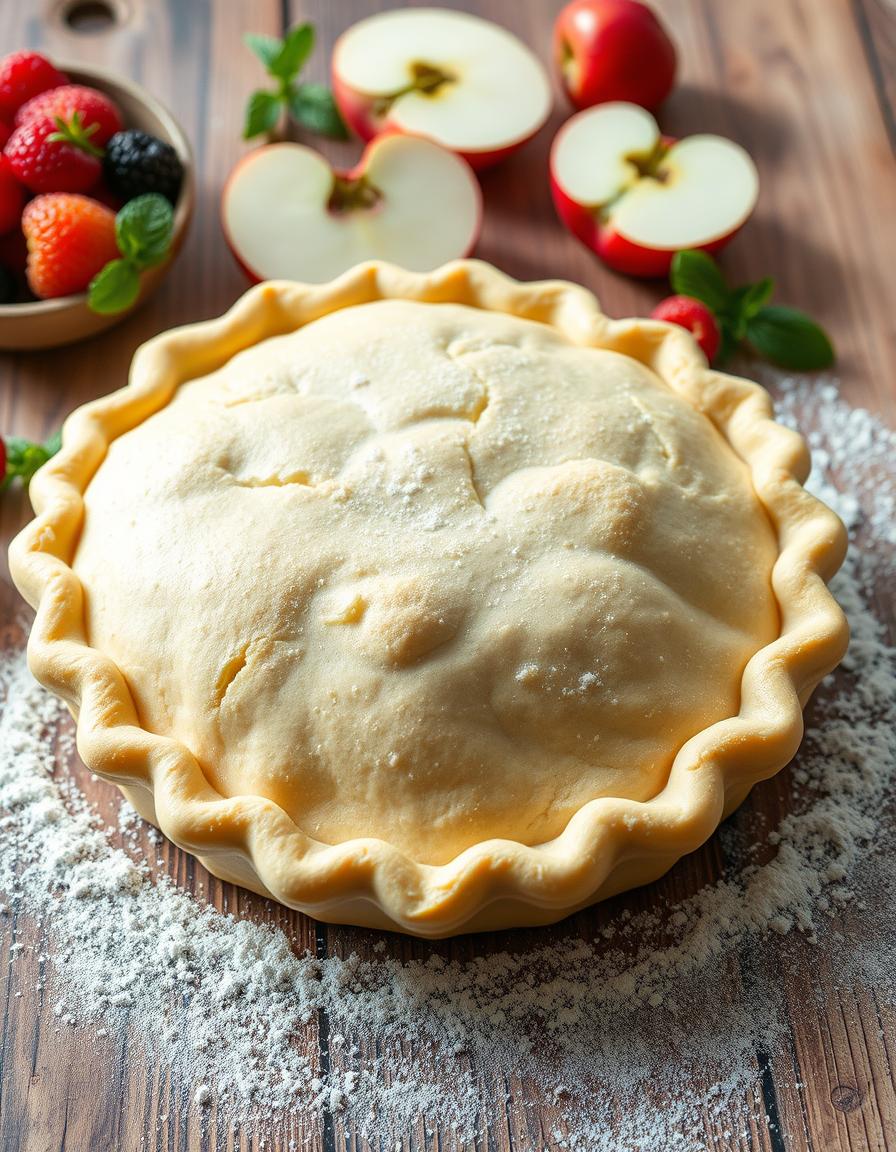

Pie is a timeless dessert that brings comfort and joy, but traditional pie crusts can be heavy in calories and fat. For those watching their intake or simply wanting a lighter option, finding a delicious low calorie pie crust can make all the difference. Thankfully, with a few smart swaps and clever ingredients, you can enjoy that flaky, buttery texture without the extra guilt. Whether you’re baking a fruit pie or something savory, a low calorie pie crust offers a tasty base that doesn’t weigh you down.
What Makes a Pie Crust High in Calories?
Traditional pie crusts usually rely on large amounts of butter, shortening, or lard. These fats give that treasured flaky texture and rich flavor but also spike the calorie count. A standard pie crust can easily add over 800 calories to your dessert, mainly from fat. Flour adds carbohydrates but relatively fewer calories than fat. Sugar is sometimes included but usually in small amounts.
So, the key to a low calorie pie crust is reducing the fat content without sacrificing texture. Easier said than done, right? But with the right ingredients and methods, it’s possible!
Ingredients to Use for a Low Calorie Pie Crust
Flour Alternatives
All-purpose flour is common, but choosing alternatives like whole wheat pastry flour or oat flour can add fiber and a subtle nutty flavor with a bit fewer calories.
- Whole wheat pastry flour: Offers more fiber and nutrients.
- Oat flour: Adds a mild sweetness and more fiber.
- Almond flour: While higher in fat, used sparingly, it adds moisture and flavor.
Fats with Fewer Calories
The trick is to replace some of the heavy butter or shortening with lower calorie options. Here are some favorites:
- Greek yogurt: Adds creaminess and protein with fewer calories.
- Applesauce: Surprising as it sounds, unsweetened applesauce can be a moisture-rich substitute.
- Coconut oil: Use a small amount for flavor and texture, as it is calorie-dense but contains healthy fats.
- Light butter or margarine: Some brands offer reduced-fat versions that work well.
Binders and Flavor Enhancers
To ensure the crust holds together and tastes great, you might add a pinch of salt, a couple of tablespoons of cold water, or a teaspoon of vinegar. These help the dough stay tender and flaky.
How to Make a Low Calorie Pie Crust
The process for making a low calorie pie crust is similar to a traditional crust but with a few tweaks. Here’s a simple step-by-step:
- Mix dry ingredients: Combine your chosen flour(s) with salt in a large bowl.
- Add fat substitute: Stir in Greek yogurt or applesauce instead of most of the butter.
- Add cold water in small amounts: This helps bring the dough together without making it sticky.
- Chill the dough: Wrap it in plastic and refrigerate for at least 30 minutes.
- Roll out gently: Use a little flour on the surface and roll the dough to your desired shape and thickness.
- Bake as directed: Either blind bake before filling or bake with your filling according to the recipe.
Sample Low Calorie Pie Crust Recipe
| Ingredient | Amount | Calories (approx.) |
|---|---|---|
| Whole wheat pastry flour | 1 1/4 cups | 455 |
| Nonfat Greek yogurt | 1/2 cup | 70 |
| Light butter | 2 tbsp (cold, cubed) | 100 |
| Cold water | 2-3 tbsp | 0 |
| Salt | 1/2 tsp | 0 |
| Total Calories | 625 | |
This recipe yields a crust with roughly 625 calories total, which is significantly fewer than traditional crusts that often reach over 800 calories for the same size.
Tips for Perfect Low Calorie Pie Crusts
- Keep ingredients cold: This helps create a flaky texture.
- Don’t overwork the dough: Handling it too much makes it tough.
- Use a light hand with water: Add just enough for dough to hold shape.
- Chill before rolling: A chilled dough is easier to roll and less sticky.
- Blind bake if needed: To avoid soggy crusts with juicy fillings, pre-bake the crust slightly.
Comparing Calorie Counts of Pie Crusts
| Type of Pie Crust | Calories per 1/8th of crust | Key Ingredients |
|---|---|---|
| Traditional Butter Crust | 250-300 | Butter, all-purpose flour |
| Shortening Crust | 270-320 | Shortening, all-purpose flour |
| Low Calorie Pie Crust (Greek Yogurt) | 150-200 | Whole wheat pastry flour, Greek yogurt, light butter |
| Gluten-Free Low Calorie (Oat Flour & Applesauce) | 170-220 | Oat flour, unsweetened applesauce, coconut oil |
By choosing a low calorie pie crust option, you can reduce the guilt of indulging in your favorite pies while keeping flavor and texture intact. And while you’re getting to know lighter recipes, you might also appreciate understanding the calories in pho soup, a popular comfort food that often surprises people with its nutrition details.
Fun Facts About Pie Crusts
Did you know that the term “pie crust” dates back to the 14th century? Back then, the crust was often called the “coffyn” or “coffin,” which was basically a box holding the filling rather than a tasty treat! Thankfully, today’s pie crusts are made mostly for flavor and enjoyment rather than being a hard container.
Another quirky fact: the flakiness in a pie crust comes from the tiny layers of fat (like butter) trapped between layers of flour. When baked, the fat melts, creating air pockets that puff up into that wonderful texture. This is why replacing fat too much can make the crust denser—but with a little trickery, you can still get a good balance.
Conclusion
Choosing or making a low calorie pie crust is a smart way to enjoy pies more often without overloading on calories. By swapping some of the butter for Greek yogurt or applesauce, using whole grain flours, and handling the dough gently, you can create a crust that’s delicious, light, and satisfying. Remember, the secret lies in simple ingredients and careful mixing rather than complicated methods.
Whether you’re baking for a special occasion or just treating yourself after a long day, a low calorie pie crust helps keep your dessert guilt-free and flavorful. So go ahead, roll that dough, fill it with your favorite ingredients, and enjoy every flaky bite!

I’m Sandy – sharing simple tips, plans, and motivation to help you stay in a calorie deficit Plan and reach your fitness goals.
