
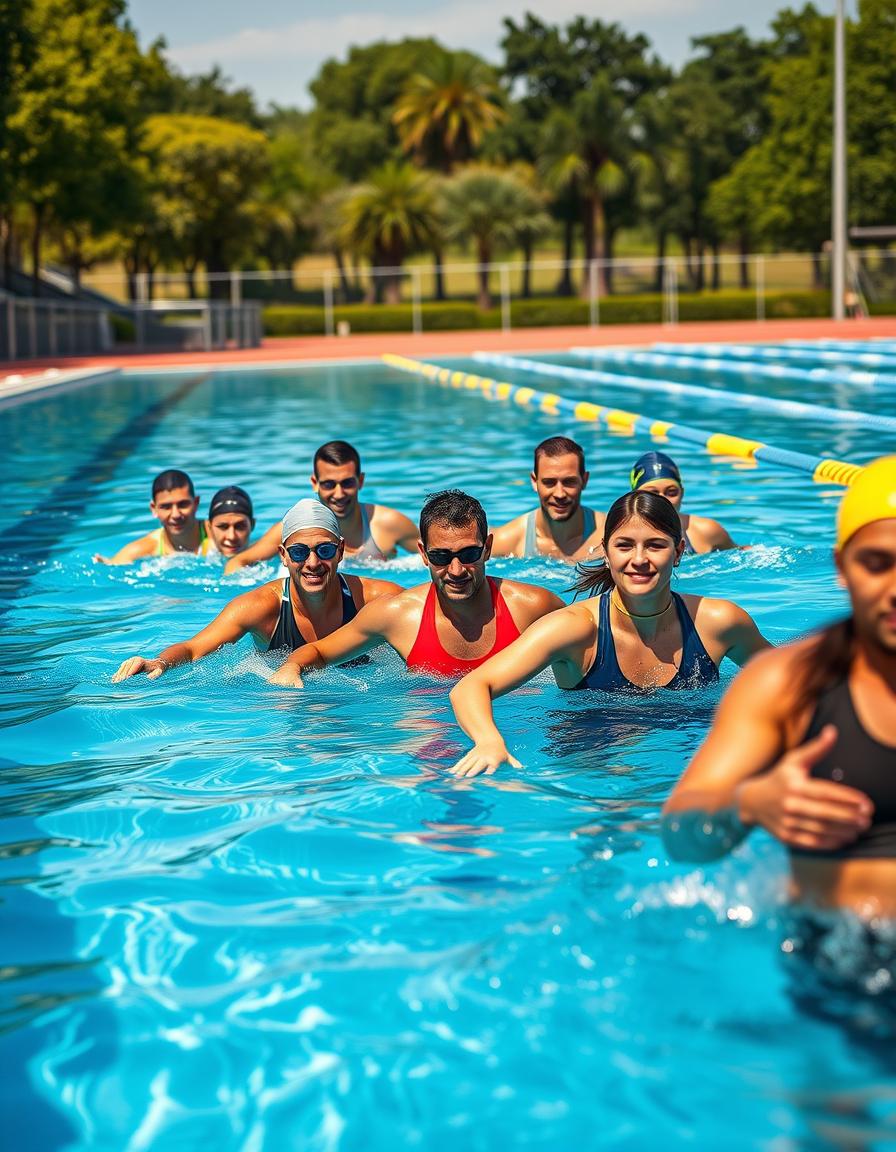

Runners often focus on miles logged and pace improvements, but adding swim workouts for runners to your routine can offer surprising benefits. Swimming provides a low-impact way to boost stamina, aid recovery, and strengthen muscles that don’t get much attention on the track. Plus, it’s refreshing, fun, and a great way to break the running monotony. If you’re curious how to weave swimming into your training, here’s a guide that’ll have you splashing your way to better endurance in no time.
Why Swimming Helps Runners Improve Stamina
Running stresses your joints and muscles, especially after long distances. Swimming lets you train hard without pounding your body. The buoyancy supports your weight, reducing impact and lowering injury risk. Also, swimming uses different muscle groups, such as your upper body and core, which often get overlooked in running workouts. This cross-training effect builds overall strength and endurance.
One key advantage is the breath control swimming demands. When you swim, you regulate your breathing carefully; this improves your lung capacity and oxygen efficiency. The result? You can breathe better while running, helping stamina and delaying fatigue.
Benefits at a Glance
- Low-impact cardio boosts endurance without overuse injuries
- Enhanced lung capacity and breathing control
- Improved muscle balance by engaging upper body and core
- Faster recovery through gentle movement and increased blood flow
- Variety to keep workouts motivating and fun
Getting Started with Swim Workouts for Runners
If you’re new to swimming, take it easy at first. You don’t have to swim laps endlessly. Start with shorter sessions focused on technique and breathing. Over time, you can crank up intensity and duration.
Here’s a simple beginner swim workout to begin building stamina:
| Set | Activity | Details |
|---|---|---|
| Warm-up | Easy freestyle | 5 minutes swimming at relaxed pace |
| Main | Interval swims | 4 x 50 meters with 30 seconds rest between each |
| Breath control drill | Side breathing freestyle | 3 x 25 meters focusing on steady breaths |
| Cool down | Easy backstroke or breaststroke | 5 minutes at easy pace |
This workout mixes short bursts of effort with rest, ideal for runners getting their feet wet. As your stamina improves, increase the number of intervals or swim longer distances.
Key Swim Techniques to Focus on for Runners
While just moving in water helps, honing a few techniques can maximize your swim workouts for runners. Breath control is king — practice exhaling underwater and timing your inhales smoothly. It’ll carry over to better efficiency in running.
Also, streamline your body position to reduce drag. Keep your head in line with your spine and gaze downward. A strong kick from your legs supports forward momentum and engages muscles complementary to your running stride.
Common Mistakes and How to Fix Them
- Holding your breath: Exhale continuously underwater to avoid gasping and fatigue.
- Lifting your head too high: This creates drag; keep your face down with side breathing.
- Over-kicking: Use controlled kicks to conserve energy and enhance movement.
Intermediate Swim Workouts for Boosting Endurance
Once comfortable, runners can challenge themselves with longer swim sets and increased intensity. Try mixing strokes to work different muscles and avoid monotony.
| Set | Activity | Details |
|---|---|---|
| Warm-up | Freestyle + backstroke | 200 meters easy swim, alternating every 50m |
| Main | Intervals | 6 x 100 meters at moderate pace with 20 seconds rest |
| Kick set | Flutter kicks with kickboard | 4 x 50 meters focusing on steady, strong kicks |
| Breath control drill | 3 x 50 meters breathing every 3rd stroke | Maintain rhythm and control |
| Cool down | Easy swimming | 100 meters at relaxed pace |
This plan encourages pacing and endurance, which mirror the physical demands of running long distances. Mixing drills also keeps your mind engaged, preventing workout boredom.
Tips to Combine Swim Workouts for Runners With Running
Incorporating swim workouts for runners alongside your normal runs requires some planning. It’s best to schedule swimming on your easy or rest days. Because swimming is low impact, it can aid recovery after tough runs or long races.
Try these approaches:
- Active recovery days: Swim lightly to loosen tight muscles and promote blood flow.
- Cross-training days: Replace one run a week with swimming to reduce stress on joints.
- Post-run swims: Follow a short run with a swim session to extend calorie burn without extra pounding.
Remember, nutrition and hydration matter just as much when you add swimming. Keep fueling your body so you can perform well in both sports.
Also, for a change of pace, consider adding bootcamp workouts into your weekly routine. These can build strength and stamina in a way that complements both running and swimming.
How Swim Workouts Improve Mental Endurance
We all know running tests your mental grit. Swimming can sharpen that too. Being in water requires focus to maintain form and breathing, especially when fatigue sets in. It’s a whole-body meditation of sorts. Many runners find that improving their swim stamina also boosts confidence and mental toughness on the road.
Plus, the rhythm of swimming can be calming, offering a mental break from intense running sessions. A balanced mind helps you push through tough miles and stay motivated over the long haul.
Conclusion
Swim workouts for runners offer a unique, refreshing way to enhance stamina and overall fitness. By combining running with swimming, you get a low-impact workout that strengthens new muscle groups and improves breath control. Whether you’re a beginner or looking to mix things up, swimming fits perfectly into your training plan for better endurance and recovery.
So next time you lace up your running shoes, remember to pack your swimsuit too. The water might just be your secret weapon to running farther, stronger, and with more joy.

I’m Sandy – sharing simple tips, plans, and motivation to help you stay in a calorie deficit Plan and reach your fitness goals.
