
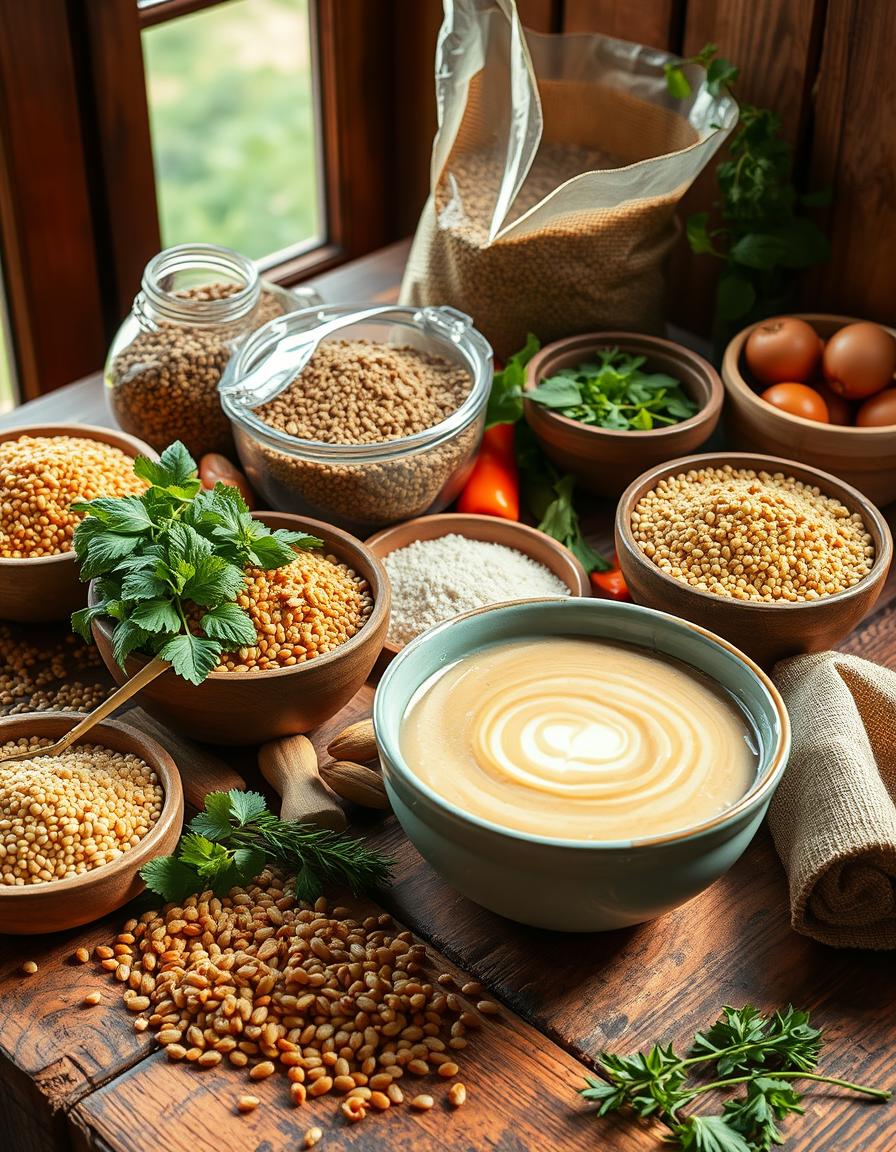

Sorghum is gaining attention as a nutritious, naturally gluten-free grain that offers a delicious alternative for many people. If you’ve recently discovered a gluten sensitivity or are exploring healthier food options, “sorghum gluten free” is a term you’ll want to know. This grain’s unique properties and health benefits make it a versatile ingredient in kitchens worldwide. Plus, it fits perfectly into diets requiring gluten avoidance without sacrificing flavor or texture.
What Is Sorghum?
Sorghum is an ancient cereal grain that has been cultivated for thousands of years, especially in parts of Africa, Asia, and the Americas. It looks like a small, round grain and has a mild, slightly sweet flavor. One of its standout traits is that it naturally does not contain gluten, making it ideal for those with gluten intolerance or celiac disease.
Compared to common grains like wheat, barley, or rye, sorghum offers a different profile that benefits many who need gluten-free options. Its nutrient content, versatility, and easy digestibility add to its appeal in modern diets.
Health Benefits of Sorghum Gluten Free
Rich in Nutrients
Sorghum packs a punch when it comes to nutrition. It’s loaded with important vitamins and minerals, including iron, magnesium, phosphorus, and B vitamins. These nutrients help support energy production, maintain healthy bones, and promote overall wellness.
Besides minerals, sorghum has antioxidants. These compounds work like little superheroes fighting off damage caused by free radicals in the body, which helps lower the risk of chronic diseases such as heart disease and diabetes.
Gluten-Free and Digestive Friendly
For people with celiac disease or gluten sensitivity, finding safe foods can sometimes feel like searching for a needle in a haystack. Sorghum gluten free is a fantastic option because it doesn’t contain gluten proteins that trigger digestive discomfort or immune responses. Plus, it contains dietary fiber which supports healthy digestion and keeps you feeling full longer.
Supports Weight Management
The fiber in sorghum not only helps digestion but also aids in weight control. It slows down digestion, stabilizes blood sugar levels, and reduces cravings between meals. Eating sorghum-based dishes can keep those hunger pangs at bay, making it easier to stick to a balanced diet.
May Help Manage Blood Sugar
One interesting fact is that sorghum has a low glycemic index compared to many other grains. This means it doesn’t cause rapid spikes in blood sugar, making it a wise choice for individuals managing diabetes or insulin resistance.
Uses of Sorghum Gluten Free
Baking and Cooking
Sorghum flour is an excellent substitute for wheat flour in many recipes. Its mild flavor pairs well with both sweet and savory dishes. You can use sorghum flour to make breads, muffins, pancakes, and cookies. Since it lacks gluten, recipes often require a mix of other gluten-free flours or binders like xanthan gum to get the right texture.
Whole sorghum grains can be boiled and used similarly to rice or quinoa. Try adding them to salads, stews, or as a side dish to add a nutty flavor and chewy texture.
Gluten-Free Cereals and Snacks
Because sorghum gluten free grains are naturally free from gluten, food producers often use them in making gluten-free cereals, granola bars, and snack puffs. These tasty options provide variety for gluten-intolerant people who want more exciting snack choices beyond rice or corn-based products.
Alternative to Corn in Traditional Recipes
People sometimes wonder how to prepare dishes traditionally made with corn using sorghum instead. For example, sorghum flour can be used in making gluten-free tamales or tortillas. Speaking of tamales, if you want to try a fun twist, check out this guide on how to cook tamales in the oven. It’s surprising how well sorghum fits into these recipes!
Comparison Table: Sorghum vs. Other Gluten-Free Grains
| Grain | Gluten-Free | Key Nutrients | Common Uses | Flavor Profile |
|---|---|---|---|---|
| Sorghum | Yes | Iron, Fiber, Antioxidants | Baking, Side Dishes, Cereals | Mild, slightly sweet |
| Quinoa | Yes | Protein, Magnesium, Fiber | Salads, Bowls, Breakfast | Earthy, nutty |
| Rice | Yes | Carbohydrates, B Vitamins | Staple, Stir Fry, Sushi | Neutral, slightly sweet |
| Buckwheat | Yes | Fiber, Magnesium, Protein | Pancakes, Noodles, Baking | Nutty, earthy |
Tips for Cooking with Sorghum Gluten Free
- Rinse grains before cooking to remove any dust or debris.
- Use a ratio of about 1 cup of sorghum to 3 cups of water when boiling.
- Simmer gently for about 50-60 minutes until grains are tender but chewy.
- For baking, combine sorghum flour with other gluten-free flours to improve texture.
- Experiment with spices and herbs to complement sorghum’s mild taste.
Fun Facts About Sorghum
Did you know that sorghum can also be popped like popcorn? It makes a delicious and crunchy snack for movie nights. Also, sorghum is used in some countries to make traditional alcoholic drinks or syrups. Its versatility makes it one of those grains that keeps surprising you!
Switching to sorghum gluten free is like giving your meals a little upgrade — more nutrition, taste, and variety without gluten worries. Whether you’re baking muffins, making porridge, or experimenting with savory dishes, sorghum is a grain worth keeping in your pantry.
Conclusion
Sorghum is a fantastic gluten-free grain that offers many health benefits and culinary possibilities. Its rich nutritional profile, easy digestibility, and mild taste make it a smart choice for those avoiding gluten or simply wanting to add variety to their diet. From baking and cooking to snacks, sorghum gluten free grains can easily become a staple in your kitchen. Give it a try, and you might just find a new favorite ingredient that’s both healthy and tasty!

I’m Sandy – sharing simple tips, plans, and motivation to help you stay in a calorie deficit Plan and reach your fitness goals.
