
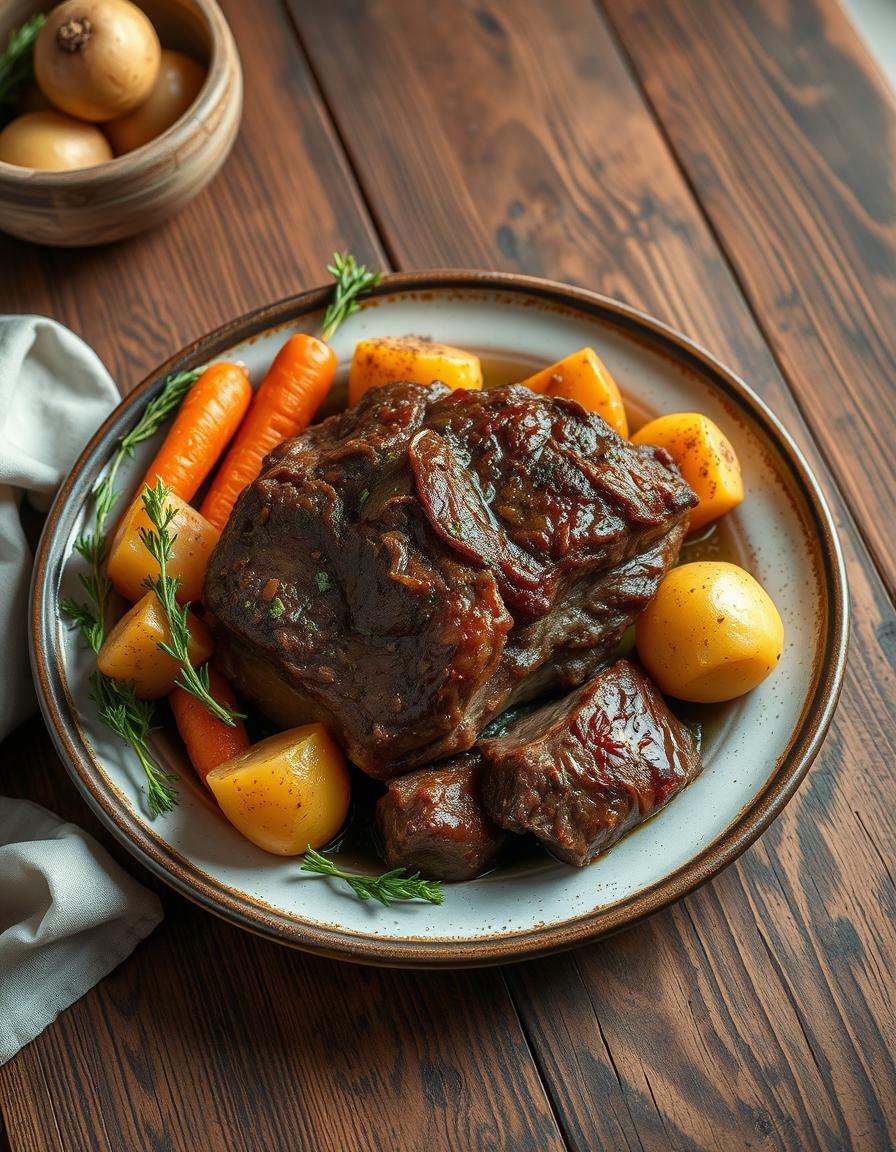

Pot roast is one of those soul-warming dishes that brings family and friends together around the table. Its tender meat, rich gravy, and hearty vegetables create a classic comfort food experience. But have you ever wondered about pot roast nutrition facts? How does this beloved dish stack up in terms of calories, protein, fat, and other nutrients? Whether you’re counting calories or just curious about what you’re putting on your plate, understanding the nutritional breakdown can help you enjoy pot roast with a little more awareness.
What Is Pot Roast?
Pot roast is a slow-cooked dish typically made from a tougher cut of beef like chuck roast. It’s braised for several hours, allowing the meat to become tender and juicy. Carrots, onions, potatoes, and sometimes celery are common additions. The magic happens when the meat and vegetables cook together in a flavorful broth or gravy, creating a meal that’s both satisfying and filling.
Pot Roast Nutrition Facts Overview
Let’s break down the typical nutrition you can expect from a classic pot roast meal. Keep in mind that exact numbers may vary depending on the recipe, portion size, and ingredients used.
| Nutrient | Amount per 1 cup serving (approx. 240g) |
|---|---|
| Calories | 350–400 |
| Protein | 35–40 grams |
| Total Fat | 15–20 grams |
| Saturated Fat | 6–8 grams |
| Carbohydrates | 20–25 grams |
| Fiber | 3–5 grams |
| Sodium | 500–700 mg |
Calories and Portion Size
One cup of pot roast with vegetables generally contains around 350 to 400 calories. If you pile your plate high or add gravy, the calorie count goes up. Compared to other meals, pot roast delivers a decent amount of energy to keep you full for hours. For those mindful of intake, portion control is key, especially when accompanied by sides like mashed potatoes or rolls.
Protein Power
Beef is the star protein here, and pot roast provides roughly 35 to 40 grams of protein per serving. That’s about two-thirds of the daily recommended amount for the average adult. Protein is vital because it helps repair muscles, keeps you feeling satisfied, and supports a strong immune system. If you’re on a calorie deficit meal plan, pot roast can be a filling way to hit your protein goals.
Fats: Friend or Foe?
Pot roast usually contains 15 to 20 grams of fat per serving, including 6 to 8 grams of saturated fat. Fat contributes to flavor and satiety but too much saturated fat isn’t ideal for heart health. Luckily, choosing leaner cuts and trimming visible fat can help reduce these numbers without sacrificing taste. Adding plenty of vegetables also balances the meal.
Carbs and Fiber From Veggies
The carbs in pot roast mostly come from root vegetables like potatoes and carrots. A serving has about 20 to 25 grams of carbohydrates, with fiber ranging from 3 to 5 grams—great for digestion. Fiber slows sugar absorption, so it’s a good nutrient in any diet.
Micronutrients: What Else Does Pot Roast Offer?
Pot roast contains several important vitamins and minerals, thanks to its beef and veggie combo:
- Iron: Beef is rich in iron, which helps carry oxygen in your blood.
- Zinc: Important for immune function and wound healing.
- Vitamin B12: Key for nerve health and energy production.
- Potassium: Found mostly in potatoes and carrots; helps regulate blood pressure.
- Vitamin A: From carrots, which support eye health.
Ways to Make Pot Roast Healthier
Pot roast is already a nutritious meal, but a few tweaks can boost its health benefits even more. Here are some ideas:
- Choose lean beef cuts: Trim off extra fat before cooking.
- Load up on vegetables: Add extra carrots, celery, mushrooms, or green beans to increase fiber and vitamins.
- Limit added salt: Use herbs and spices like rosemary, thyme, and garlic instead.
- Skip high-fat sides: Instead of buttery mashed potatoes, try roasted sweet potatoes or a fresh salad.
- Enjoy smaller portions: Save leftovers for a next-day meal rather than large portions all at once.
Common Misconceptions About Pot Roast
Some people assume pot roast is always heavy and unhealthy because it’s “comfort food.” But the truth is, it can be a balanced and satisfying dish when prepared thoughtfully. The slow cooking process actually makes the meat tender without the need for extra fats or frying. It’s all about ingredients and serving size.
Also, homemade pot roast gives you control over sodium and fat, unlike many processed or prepackaged meals. So, it’s well worth making from scratch if you have the time.
Pot Roast for Special Diets
Low-Carb or Keto Diets
By reducing or skipping starchy vegetables like potatoes, pot roast fits right into a low-carb plan. The protein and fat from the beef keep energy levels up, while non-starchy veggies provide fiber.
Gluten-Free Diets
Pot roast without thickened gravies made from flour is naturally gluten-free. Just watch for any seasoning mixes or pre-made sauces that may contain gluten.
Weight Loss Considerations
If you’re trying to shed a few pounds, pot roast can be part of your meals as long as you watch portions and sides. Its high protein content helps maintain muscle mass and keeps hunger at bay. Pairing it with plenty of vegetables will ensure you get fiber and nutrients without too many calories.
Pot Roast Nutrition Facts Summary Table
| Nutrient | Typical Amount per Serving | Health Impact |
|---|---|---|
| Calories | 350–400 | Moderate energy; watch portion size |
| Protein | 35–40 g | Supports muscle and fullness |
| Total Fat | 15–20 g | Provides flavor; limit if heart health is a concern |
| Saturated Fat | 6–8 g | Limit to reduce cardiovascular risk |
| Carbohydrates | 20–25 g | Mainly from vegetables; provides energy |
| Fiber | 3–5 g | Aids digestion and blood sugar control |
| Sodium | 500–700 mg | Moderate; watch added salt |
Conclusion
Pot roast, with its warm and hearty appeal, is more than just comfort food; it can be a nutritious and balanced meal. Understanding pot roast nutrition facts helps you enjoy it while meeting your health goals. Whether you’re after protein-packed options or just want a filling, tasty dish, pot roast fits the bill—especially when you include plenty of vegetables and control added fats and sodium. So next time you sit down to a steaming plate of pot roast, you can savor every bite knowing it offers a good mix of nutrients to keep you going strong.

I’m Sandy – sharing simple tips, plans, and motivation to help you stay in a calorie deficit Plan and reach your fitness goals.
