
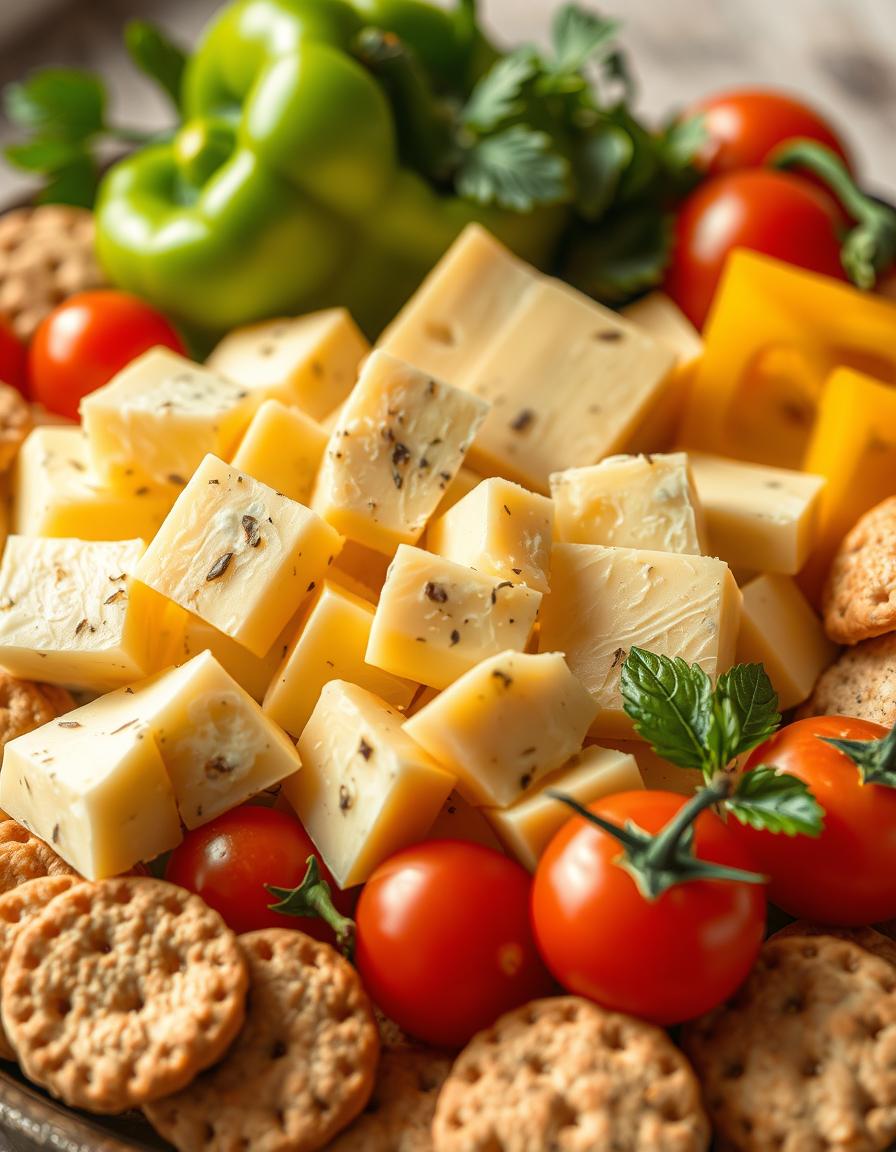

Pepper jack cheese is a popular variety of cheese known for its creamy texture and spicy, zesty kick. Whether melted on a sandwich, sprinkled over a salad, or enjoyed by itself, this cheese adds a flavorful punch to many dishes. But beyond its taste, understanding pepper jack cheese nutrition can help you make smarter choices about including it in your diet. From calories to protein content and other nutrients, there’s plenty to explore about what this cheese brings to your table.
What Is Pepper Jack Cheese?
Pepper jack cheese is a type of Monterey Jack cheese that has been blended with spicy peppers like jalapeños, habaneros, or other chili peppers. This gives it a unique flavor that’s both creamy and peppery, making it a favorite for those who enjoy a little heat with their cheese. It’s commonly used in Mexican and Southwestern dishes but also works well in everyday snacks.
Pepper Jack Cheese Nutrition Basics
When looking at pepper jack cheese nutrition, it’s good to consider calories, fat, protein, and other key nutrients. Cheese can sometimes get a bad rap for being high in fat and calories, but it also provides important nutrients like calcium and protein that can benefit your health.
Calories and Fat
A typical 1-ounce (28-gram) slice of pepper jack cheese contains about 100 calories. Most of these calories come from fat, which makes up around 8 grams. About 5 grams of that fat is saturated fat, which you should enjoy in moderation. While the fat content might sound high, fat helps with satiety and can make your meals more satisfying.
Protein Content
Cheese is a solid source of protein, and pepper jack is no exception. Each ounce delivers roughly 6 to 7 grams of protein. Protein is essential for muscle repair, immune function, and keeping you full between meals. Including pepper jack cheese can help add a tasty protein boost to your diet.
Calcium and Vitamins
Cheese is also a great source of calcium, which is vital for strong bones and teeth. A single serving of pepper jack cheese provides about 15-20% of the daily recommended calcium intake. It also contains small amounts of vitamin A and B12, which support vision, skin health, and red blood cell production.
Nutritional Breakdown Table
| Nutrient | Amount per 1 oz (28g) | Daily Value (%) |
|---|---|---|
| Calories | 100 | 5% |
| Total Fat | 8 g | 12% |
| Saturated Fat | 5 g | 25% |
| Protein | 6.5 g | 13% |
| Calcium | 200 mg | 20% |
| Sodium | 180 mg | 8% |
Health Benefits of Pepper Jack Cheese
Even though pepper jack cheese is tasty, it also offers nutritional benefits that might surprise you. Here are a few reasons it can be a positive addition to your meals:
- Rich in Protein: Protein helps build muscle and keeps you feeling full, reducing the temptation to snack unnecessarily.
- Good Source of Calcium: Important for maintaining bone density, especially as you age.
- Contains Probiotics: Some cheeses have good bacteria that can support gut health, though this varies by type and aging process.
- Flavor Booster: The spicy kick means you might use less cheese or less seasoning elsewhere, which can help cut down on added salt or fats.
Considerations for Moderation
Since pepper jack cheese contains saturated fat and sodium, it’s best to enjoy it in moderation, especially if you are watching your heart health or blood pressure. Pairing it with whole foods like fresh veggies or whole-grain crackers can balance out the meal.
Ways to Enjoy Pepper Jack Cheese
Pepper jack cheese is a versatile ingredient and can jazz up your meals in many ways. Here are some simple ideas to try:
- Melt it on burgers or grilled chicken for an extra spicy touch.
- Add shredded pepper jack to scrambled eggs or omelets.
- Use it in quesadillas with beans and veggies.
- Snack on it with slices of apple or pear for a flavorful and filling combo.
Looking for ideas on healthy snacks on the go? Pepper jack cheese can be a smart choice packed with flavor and nutrition.
Comparison: Pepper Jack Cheese vs. Other Cheeses
Wondering how pepper jack stacks up against other popular cheeses? Here’s a quick comparison based on calories and protein per ounce:
| Cheese Type | Calories | Protein (g) |
|---|---|---|
| Pepper Jack | 100 | 6.5 |
| Cheddar | 115 | 7 |
| Monterey Jack | 105 | 7 |
| Mozzarella | 85 | 7 |
Tips for Choosing and Storing Pepper Jack Cheese
When shopping for pepper jack cheese, look for varieties with real peppers and minimal preservatives. Organic options are available if you prefer fewer additives. Also, check the sodium content if you’re sensitive to salt.
To keep your cheese fresh, store it wrapped tightly in parchment paper or cheese paper inside an airtight container in the fridge. Avoid plastic wrap alone as it can cause the cheese to sweat and spoil faster.
Fun Fact
Did you know that pepper jack cheese’s spicy flavor was popularized in the United States during the 20th century as southwestern cuisine gained traction? It’s a delicious way to add some heat without reaching for hot sauce every time!
Conclusion
Pepper jack cheese nutrition offers a tasty combination of protein, calcium, and calories that can fit nicely into a balanced diet. While it does contain saturated fat and sodium, enjoying it in moderation alongside fresh foods helps keep your meals both flavorful and nutritious. Whether you’re adding it to your favorite recipes or enjoying it as a snack, pepper jack cheese brings a unique and spicy twist that’s hard to resist.

I’m Sandy – sharing simple tips, plans, and motivation to help you stay in a calorie deficit Plan and reach your fitness goals.
