
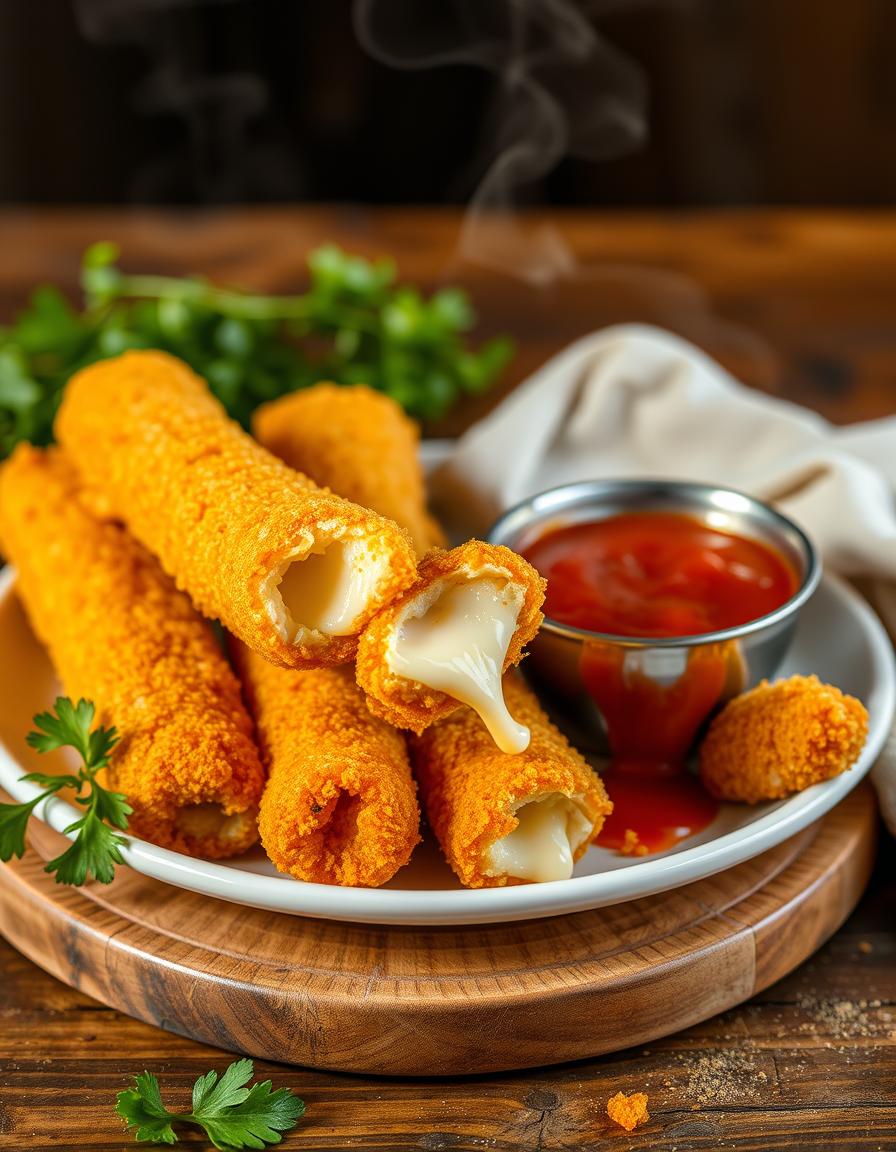

Few snacks bring as much joy as crispy, gooey mozzarella sticks. Whether you’re grabbing them at a restaurant or frying them up at home, these cheesy delights are a favorite for many. But while they satisfy that cheese craving, it’s smart to know what goes into each bite. Mozzarella sticks nutrition facts reveal insights about the calories, fat, protein, and more, helping you enjoy your snack with a bit more awareness. So, let’s break down what’s inside these golden fingers of cheese and batter.
What Are Mozzarella Sticks Made Of?
At their core, mozzarella sticks are simple: cheese encased in breading and fried until perfectly crispy. The cheese inside is usually mozzarella, a mild, stretchy cheese beloved for melting beautifully. The breading can include breadcrumbs, flour, and seasonings, which add texture and flavor. When deep-fried, the outside turns golden brown while the cheese inside melts into a stretchy, gooey center. But this delicious combo affects the nutrition content in several ways.
Ingredients Breakdown
- Mozzarella cheese: The star of the show, providing protein and calcium.
- Breading: Adds carbs and fat, especially if fried.
- Oil: For frying, which increases fat and calories.
- Seasonings: Sometimes herbs or spices for taste.
Homemade versions might differ slightly from store-bought or restaurant mozzarella sticks, especially regarding portion size and type of oil used.
Mozzarella Sticks Nutrition Facts: What’s Inside?
To understand the nutritional makeup, imagine a typical serving size of about 4 sticks (roughly 100 grams). Here is a simple table breaking down average nutrition for that amount:
| Nutrient | Amount per 4 sticks (100g) |
|---|---|
| Calories | 280-350 kcal |
| Total Fat | 18-22 grams |
| Saturated Fat | 8-10 grams |
| Cholesterol | 40-60 mg |
| Sodium | 400-600 mg |
| Carbohydrates | 20-25 grams |
| Dietary Fiber | 1-2 grams |
| Protein | 15-18 grams |
Keep in mind, the exact numbers can vary based on recipe, brand, cooking method, and size. But these figures provide a useful snapshot.
Calories and Fat
Mozzarella sticks pack a punch in calories mainly due to their fried exterior and cheese filling. The batter soaks up oil during frying, increasing fat content significantly. Fat is what gives these snacks that rich, satisfying mouthfeel but also ups the calorie count. Saturated fat, found in cheese and frying oils, is present in modest amounts, so moderation is key if you’re monitoring heart health.
Protein Power
Despite being considered a snack, mozzarella sticks provide a decent amount of protein—usually around 15 grams per serving. This comes from the cheese, which is naturally high in protein and supports muscle repair and overall energy.
Carbs and Fiber
Carbohydrates mainly come from the breading and flour used in coating. Most of these carbs are simple or refined, so they digest quickly and don’t offer much fiber. That fiber count is pretty low, under 2 grams usually, so mozzarella sticks aren’t the best choice if you’re aiming to increase your daily fiber intake.
Sodium Content
Mozzarella sticks tend to be salty—after all, cheese and breading both typically contain sodium, and frying sometimes adds more. Excess sodium can lead to high blood pressure if consumed frequently, so it’s something to watch for, especially if you enjoy these tasty treats regularly.
Healthier Options and Tips
Don’t worry, indulging doesn’t mean completely sidelining your wellness goals. There are ways to satisfy your cheese stick cravings while keeping nutrition in check.
Oven-Baked Mozzarella Sticks
Baking instead of frying significantly cuts down the fat and calories by using little or no oil. You still get the crispy coating and melty cheese but with fewer greasy regrets afterward.
Whole Wheat or Alternative Breading
Using whole wheat breadcrumbs or even crushed nuts instead of regular breadcrumbs adds fiber and micronutrients. These tweaks improve the nutritional profile, making the snack a bit more filling and balanced.
Smaller Portions
Instead of gobbling a full basket, try having just 2-3 sticks with a side of veggies or a fresh salad. This helps round out the meal with fiber and vitamins while keeping calorie intake moderate.
Pair with a Healthy Dip
While marinara sauce is classic, it can sometimes be high in sugar or salt. You might consider a low-sugar tomato dip or even try yogurt-based dips seasoned with herbs for a protein boost. On that note, if you’re curious about sweet alternatives when cooking or baking, the best monk fruit sweetener can be a fantastic zero-calorie option to try in your recipes.
Common Myths About Mozzarella Sticks Nutrition Facts
Because mozzarella sticks are often seen as “just cheese” or “just fried batter,” some people assume they have limited nutritional value or are bad for you. But the truth isn’t black and white.
- Myth: Mozzarella sticks have too much cheese to be healthy.
Fact: Cheese provides protein and calcium, but it’s the frying and breading that add fat and calories. - Myth: All mozzarella sticks are the same.
Fact: Homemade versions can be healthier than fast-food or frozen types because you control ingredients and cooking method. - Myth: Eating mozzarella sticks once in a while ruins your diet.
Fact: Moderation and balance are key. Enjoying them occasionally fits just fine into a healthy lifestyle.
How to Read Mozzarella Sticks Nutrition Labels
When buying pre-packaged mozzarella sticks, check the nutrition label carefully. Here’s what to keep an eye on:
- Serving size: Packages often list nutrition per stick or per serving size that may include multiple sticks.
- Calories and fat: Higher fat means more calories—watch especially saturated fat.
- Sodium: Aim for lower sodium options if you watch your salt intake.
- Ingredients: Look for simple, recognizable ingredients and fewer additives or preservatives.
Enjoying Mozzarella Sticks the Smart Way
Imagine this: you’re at a party, and someone offers you a plate of golden mozzarella sticks smothered in marinara. Refusing feels like missing out on all the cheesy fun! Here’s a friendly reminder—there’s no need to feel guilty. Just remember to balance indulgent moments with nutrient-rich meals throughout your day.
Having mozzarella sticks occasionally as part of a varied diet is perfectly fine. Just consider how they fit into your bigger nutrition picture and portion sizes. Pairing them with fresh vegetables or a light salad can add fiber and keep your meal feeling satisfying.
Conclusion
Mozzarella sticks nutrition facts show they’re a tasty but calorie-dense snack with moderate protein and high fat content. The frying and breading add extra calories, while cheese boosts protein and calcium. Knowing this can help you enjoy mozzarella sticks without second-guessing your health goals. Opt for baking or smaller portions, and pair with fresh veggies or healthy dips to create a balanced snack. Remember, a little cheese joy now and then fits perfectly into a happy, healthy lifestyle.

I’m Sandy – sharing simple tips, plans, and motivation to help you stay in a calorie deficit Plan and reach your fitness goals.
