
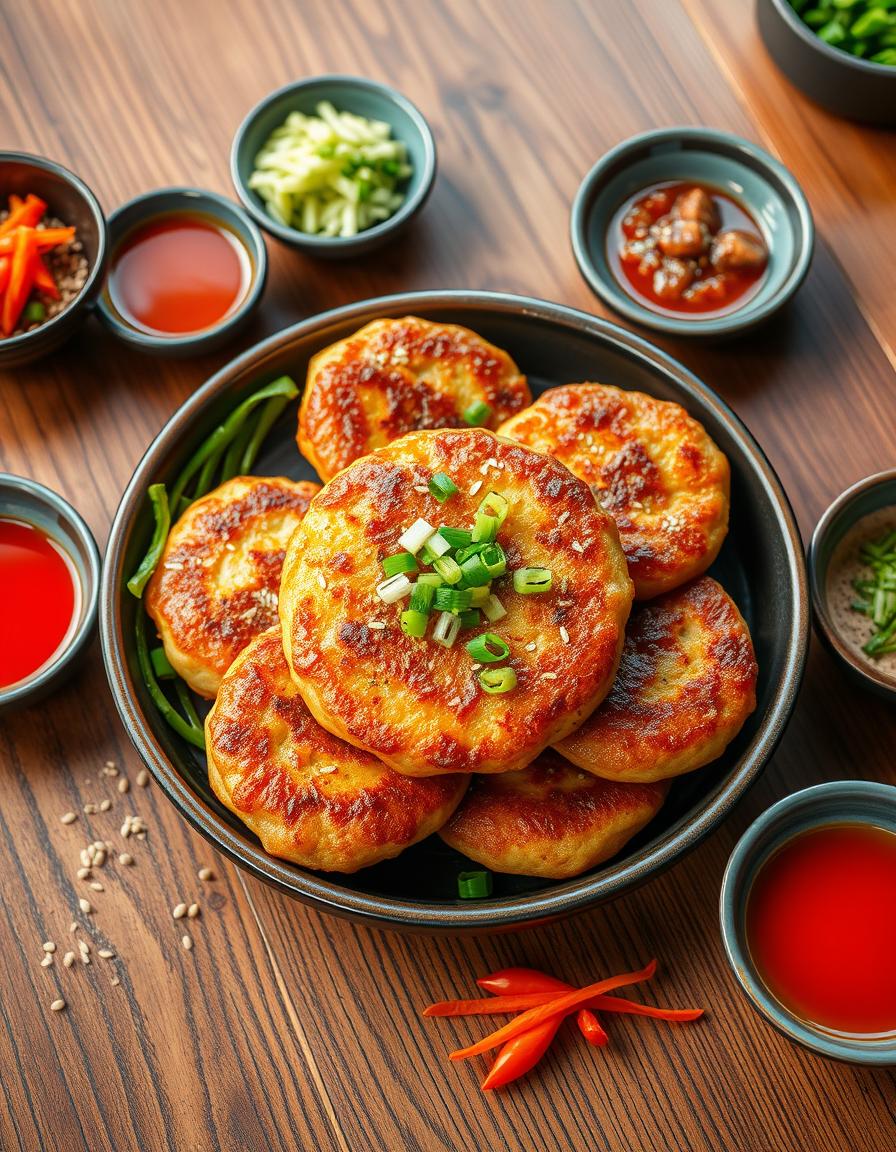

Korean fish cake is a popular snack and ingredient found in many Korean dishes. Known for its chewy texture and savory flavor, it’s a favorite at street food stalls and home kitchens alike. If you enjoy Korean cuisine or want to try something new, understanding the nutritional content, especially korean fish cake calories, can help you make informed choices. This guide breaks down what makes this tasty treat special and how it fits into a balanced diet.
What Is Korean Fish Cake?
At its core, Korean fish cake (known as eomuk or odeng) is made from ground white fish mixed with flour, vegetables, and seasonings. The mixture is then shaped and cooked, often by frying or boiling. You’ll find it in soups, skewers, and even stir-fries. Its mild flavor pairs well with spicy sauces, making it a versatile food item.
Despite being called “fish cake,” it’s quite different from the sweet or dessert-style cakes many might think of. Instead, it offers a satisfying, protein-rich option that can fit well into various meals or serve as a quick snack.
Nutritional Profile of Korean Fish Cake
Korean fish cake calories can vary depending on how it’s prepared. Whether fried or boiled, the cooking method influences the calorie count and overall nutrition. Here’s a general overview of the nutrition facts for a typical 100-gram serving:
| Nutrient | Amount per 100g |
|---|---|
| Calories | 150-200 kcal |
| Protein | 10-15 g |
| Fat | 5-10 g |
| Carbohydrates | 10-15 g |
| Fiber | 1-2 g |
| Sodium | 600-900 mg |
This shows that fish cake provides a decent amount of protein without an overload of calories. However, the sodium levels are relatively high, so it’s wise to enjoy these in moderation, especially if you are watching your salt intake.
The Impact of Cooking Methods
The way you prepare Korean fish cake can change its nutritional profile considerably. Fried fish cakes tend to have higher fat content and calories than their boiled or steamed counterparts. For example, when fried, the calorie count can climb closer to 200 kcal per 100 grams, whereas boiling usually keeps it around 150 kcal.
If you’re watching your weight or trying to eat healthier, boiling or steaming is a better choice. You still get that lovely chewy texture and flavor without the extra oil and fat. Plus, frying can add unnecessary saturated fats that aren’t great for heart health.
Health Benefits of Korean Fish Cake
You might be wondering whether Korean fish cake is a healthy option. It certainly has some perks worth noting.
- Good Source of Protein: Fish cakes provide a solid amount of protein, essential for muscle repair and overall body function.
- Low in Calories (When Boiled): If you opt for non-fried versions, you get a tasty snack with relatively low calorie content.
- Contains Omega-3 Fatty Acids: Made with fish, you get a dose of beneficial omega-3s which support brain and heart health.
Despite these benefits, it’s important to keep an eye on the sodium content and avoid overindulging. Too much salt can lead to high blood pressure and other health issues.
Comparing Korean Fish Cake to Other Snacks
If you’re choosing between snacks, how does Korean fish cake stack up? Here’s a quick comparison table highlighting calories and protein in 100 grams of common snacks:
| Snack | Calories (kcal) | Protein (g) |
|---|---|---|
| Korean Fish Cake (fried) | 190 | 12 |
| Korean Fish Cake (boiled) | 150 | 13 |
| Fried Potato Chips | 536 | 7 |
| Boiled Edamame | 120 | 11 |
This quick glance shows that Korean fish cake, especially boiled, is lighter in calories yet rich in protein compared to many common fried snacks. If you enjoy a savory treat but want to keep things on the healthier side, it’s definitely worth trying.
And if you’re curious about other fried delights, don’t forget to check out this interesting read on calories in fried okra, which also packs a flavorful punch with some calorie considerations.
How to Enjoy Korean Fish Cake Without Overdoing It
Like anything tasty, eating Korean fish cake in moderation is key. Here are some friendly tips to enjoy it without feeling guilty:
- Choose boiled or steamed fish cake when possible to keep calories and fat low.
- Pair with lots of veggies to bulk up your meal and get extra fiber and vitamins.
- Watch the sauces—some dipping sauces can pack extra sugar and sodium.
- Use fish cakes in soups or stews for a satisfying and balanced meal.
Preparing your own fish cake at home can also help you control ingredients and avoid preservatives often found in packaged versions. A little kitchen experiment might surprise you with how easy and fun it is!
Common Myths About Korean Fish Cake Calories
Some people assume fish cakes are either super healthy or extremely unhealthy. The truth is, it depends largely on preparation and portion size.
One myth is that Korean fish cakes are packed with fat because they’re fried. While frying does raise fat content, the fish cake itself is mainly fish protein and carbs from added flour. Another myth is that it has little nutritional value; however, the protein and omega-3s make it a reasonable snack choice.
So, the takeaway? Don’t dread the fish cake, but don’t binge eat it either. Balance is the name of the game.
Conclusion
Korean fish cake is a delicious and unique food item that provides a good balance of protein and energy. The korean fish cake calories can vary, especially depending on whether it’s fried or boiled, with boiled versions being lighter and healthier. Its high sodium content deserves attention, but incorporating it thoughtfully into meals can offer a tasty treat without heavy guilt.
For those who love savory snacks but want to avoid excessive calories, Korean fish cake is a worthy choice compared to many fried alternatives. By pairing it with vegetables, choosing healthier cooking methods, and enjoying it in moderation, you can savor this Korean delight while maintaining your nutrition goals.
So next time you spot Korean fish cake on the menu or at a market, remember that with just a little awareness, this humble snack can fit beautifully into a balanced lifestyle.

I’m Sandy – sharing simple tips, plans, and motivation to help you stay in a calorie deficit Plan and reach your fitness goals.
