
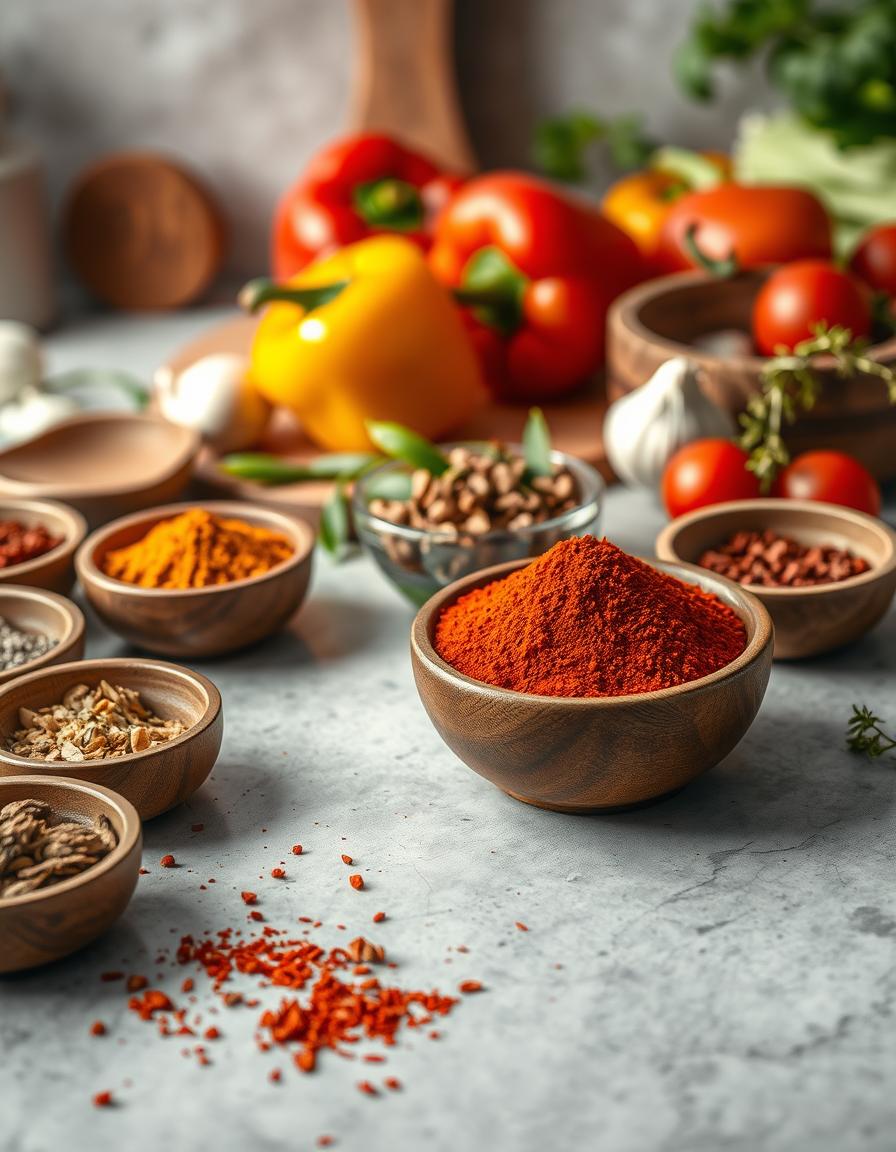

Spices add life to food, turning plain dishes into flavorful experiences. Among these, paprika shines with its bright red color and warm, smoky taste. But if you or someone you know has gluten sensitivity or celiac disease, a common question pops up: is paprika gluten free? Understanding this can help keep meals safe and enjoyable without the worry of hidden gluten.
What Exactly Is Paprika?
Paprika is a spice made from dried and ground red peppers, mainly varieties of Capsicum annuum. It originated in Central America but is now widely used in many cuisines, especially Hungarian, Spanish, and Mediterranean cooking. It comes in multiple types, like sweet, smoked, and hot, each bringing its own unique flavor to dishes.
Since paprika is derived from peppers alone, it is naturally gluten free by nature. However, the story doesn’t end there. Cross-contamination and processing methods can affect its gluten status, especially for those who must avoid gluten strictly.
Is Paprika Gluten Free? The Basic Facts
The quick answer is yes—pure paprika made from just ground peppers does not contain gluten. Gluten is a protein found in wheat, barley, rye, and their derivatives, and paprika is simply a spice, not a grain. But, if you’re wondering about that one sparkle of doubt because you’ve heard spices can be sneaky sources of gluten, you’re right to be careful.
How Can Paprika Become Contaminated?
Even though paprika starts gluten free, contamination can occur during:
- Processing: Paprika might be ground or packaged on equipment shared with gluten-containing products.
- Packaging: Bulk spices sometimes get mixed or exposed to gluten dust from other products.
- Adding fillers or anti-caking agents: Some brands add ingredients to improve texture or shelf life, and these could contain gluten.
This means if you buy paprika from a bulk bin at a store with lots of gluten products around, the risk of contamination goes up. On the other hand, paprika that is labeled gluten free is safer and more reliable.
How to Choose Gluten-Free Paprika
Looking for the safest paprika? Consider these points:
- Check Labels: Some brands specifically state “gluten free” on the label, which is a good sign.
- Buy Certified Products: Look for certifications from recognized gluten-free organizations.
- Avoid Bulk Bins: Spices in bulk bins have a higher chance of contamination, so packaged spices are better.
- Read Ingredients: If your paprika includes more than just ground peppers, be cautious.
By taking a little extra care, you can enjoy paprika’s vibrant flavor without worrying about gluten sneaking into your meals.
Gluten and Cross-Contamination: What Does It Mean?
People with celiac disease or gluten sensitivity need to avoid even tiny traces of gluten. This is because their immune system reacts negatively, causing discomfort and health issues. Cross-contamination happens when gluten-containing food or dust touches gluten-free products.
Imagine your paprika sitting right next to wheat flour on a factory line. Even a little dust can travel between them. So, for those with severe reactions, even spices should come from trusted sources.
Home Tips to Avoid Contamination
- Store paprika separately from gluten products at home.
- Use dedicated spoons or scoops to avoid mixing spices.
- Keep spice containers tightly sealed to prevent any accidental exposure.
Health Benefits of Paprika
Besides its appealing color and taste, paprika offers a handful of health perks. It contains antioxidants like vitamin C and carotenoids, which help protect your body from harmful molecules called free radicals. It can also support eye health and improve digestion.
While these benefits are great, remember that paprika is used in small amounts, so it’s more of a flavor booster than a health supplement.
Fun Uses for Paprika in the Kitchen
Now, if you’re wondering how to jazz up your meals with paprika, here are some tasty ideas:
- Sprinkle it on deviled eggs for color and subtle heat.
- Add to rubs for grilled chicken or fish.
- Mix into soups and stews for a smoky undertone.
- Blend with olive oil and lemon for a zesty salad dressing.
Aside from all this, if you’re keeping an eye on your overall nutrition, consider checking out mahi mahi nutrition facts. This fish pairs wonderfully with paprika and brings a powerful protein punch for a wholesome meal.
Quick Comparison Table: Paprika vs Other Common Spices and Gluten Content
| Spice | Gluten Content | Notes |
|---|---|---|
| Paprika | Gluten Free (pure) | Watch for added fillers or bulk bin contamination |
| Cumin | Gluten Free (pure) | Same risks as paprika if processed in bulk |
| Garlic Powder | Usually Gluten Free | Brands with additives may contain gluten |
| Seasoning Mixes | Often Contains Gluten | Check labels carefully; many include wheat-based fillers |
Conclusion
So, is paprika gluten free? Yes, in its pure form, paprika is naturally free of gluten since it’s just ground red peppers. However, to ensure safety, especially for those with celiac disease or gluten sensitivity, it’s best to choose products labeled gluten free, avoid bulk bins, and check ingredient lists for added fillers.
Remember, a little spice can brighten your food and your day, but it should never bring along unwanted gluten surprises. By picking paprika carefully, you’ll enjoy its unique flavor and color safely every time.

I’m Sandy – sharing simple tips, plans, and motivation to help you stay in a calorie deficit Plan and reach your fitness goals.
