
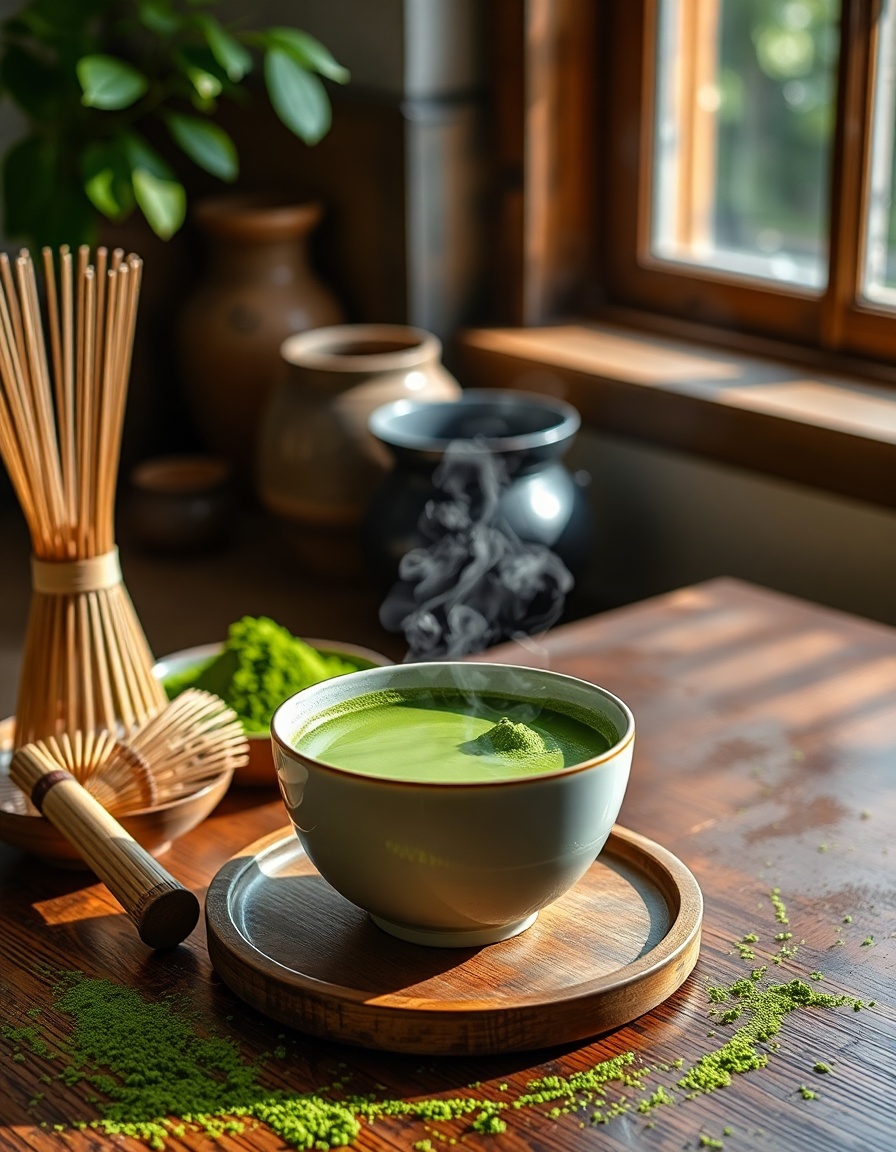

Matcha has become a popular choice for many looking to enjoy a healthy boost alongside their daily routine. This vibrant green tea powder isn’t just pretty to look at—it carries a rich history and offers a variety of health benefits. If you’ve ever found yourself wondering, “is matcha gluten free?” you’re not alone. With gluten sensitivities and celiac disease affecting many people worldwide, understanding whether your favorite cup of matcha tea is safe is important. Let’s explore what matcha is, its gluten status, and how to enjoy it worry-free.
What Is Matcha?
Matcha is finely ground powder made from specially grown and processed green tea leaves. Unlike regular green tea, you consume the whole leaf when drinking matcha, which means you get a higher concentration of antioxidants and nutrients. The leaves are shaded from the sun for weeks before harvest, which boosts chlorophyll levels, giving matcha its bright green color and unique flavor.
This tea has been enjoyed for centuries in Japan, with a tradition intertwined with mindfulness and ceremony. But outside of tradition, many appreciate matcha for its health perks, from increased energy to improved focus.
Is Matcha Gluten Free?
The short and sweet answer: yes, pure matcha powder is naturally gluten free. Tea leaves themselves do not contain gluten, which is a protein found in wheat, barley, rye, and some oats. Since matcha is made purely from green tea leaves, it doesn’t have any gluten in its natural form.
People with celiac disease or gluten sensitivity can generally enjoy matcha without worry. However, like with many foods and drinks, the devil is in the details.
Potential Gluten Contamination
Although matcha itself is gluten free, cross-contamination can happen during processing or packaging. Factories that handle multiple products may accidentally mix gluten-containing ingredients with matcha powder. This is why it’s important to check labels and buy from reputable brands that guarantee gluten free certification.
If you are highly sensitive, consider looking for brands that package matcha in dedicated gluten free facilities. This can ensure the utmost care to avoid contamination. When buying matcha from tea shops or online, reading reviews and product descriptions is a smart move.
Matcha Products With Added Ingredients
Many matcha products on the market are not just pure powder. Some come mixed with sweeteners, milk powder, spices, or other additives. These extra ingredients may contain gluten or could be processed in ways that introduce gluten.
If you love matcha lattes, instant mixes, or flavored matcha snacks, it’s wise to double-check the ingredient list. Make sure “wheat,” “barley,” “malt,” or “rye” aren’t lurking in the fine print. When in doubt, opt for plain matcha powder and customize it yourself at home to stay safe.
Health Benefits of Matcha
Beyond being gluten free, matcha offers unique health rewards. It’s packed with antioxidants called catechins, especially EGCG, which may support heart health, brain function, and metabolism. Drinking matcha can give you a calm yet alert energy boost due to its unique blend of caffeine and L-theanine.
For anyone comparing various foods, you might find it interesting that a good source breaks down the pinto vs black beans nutrition differences, showing that even small dietary swaps can make a difference in health. Similarly, choosing matcha over other caffeinated drinks can be a healthier option for many.
How to Enjoy Matcha Safely
To make sure your matcha experience is both delightful and safe, here are a few tips:
- Choose Pure Matcha: Go for 100% matcha powder without added ingredients.
- Check for Gluten Free Labels: Look for certification or mention of gluten free on packaging.
- Buy From Trusted Brands: Established companies often have better quality control.
- Prepare at Home: Mixing your own matcha drink reduces exposure to potential contaminants.
- Beware of Flavored or Mixed Products: Always read ingredient lists carefully.
Simple Matcha Recipe
Here’s a quick way to make a smooth, tasty matcha drink that keeps gluten worries at bay:
1 tsp matcha powder
2 oz hot water (about 175°F / 80°C)
6 oz warm milk or milk alternative
Sweetener (optional)
Whisk the matcha powder and hot water until frothy. Add milk and sweetener if desired. Enjoy immediately.
Common Concerns About Matcha and Gluten
Can Matcha Be Contaminated With Gluten During Brewing?
Brewing matcha at home is unlikely to introduce gluten since it dissolves in water. However, if you use shared utensils or containers that also hold gluten-containing foods, there’s a slight chance of contamination.
Are Matcha Tea Bags Safe?
Matcha tea bags tend to contain lower-quality powder and sometimes fillers. If you have gluten issues, it’s best to avoid tea bags unless they are clearly labeled gluten free.
Is Drinking Matcha Safe for People with Gluten Intolerance?
Yes. Pure matcha is safe and can be a refreshing, healthy addition to a gluten free diet.
Matcha vs Other Teas: Gluten Perspective
| Type of Tea | Gluten Content | Notes |
|---|---|---|
| Matcha | Gluten Free | Pure powder; avoid mixed products |
| Black Tea | Gluten Free | Pure brewed tea; check flavored varieties |
| Herbal Tea | Gluten Free | Pure herbs; watch for added flavors |
| Flavored Tea Blends | Possibly Contains Gluten | Check labels carefully for additives |
Conclusion
So, is matcha gluten free? Yes, in its pure form, matcha powder is naturally free from gluten, making it a wonderful choice for those with gluten sensitivities or celiac disease. Just remember to choose products wisely, watch for added ingredients, and avoid potential contamination during preparation. Matcha offers more than just a caffeine lift—it’s a unique, antioxidant-rich drink you can safely enjoy as part of a gluten free lifestyle. Treat yourself to a vibrant cup and savor the health benefits without the gluten worries!

I’m Sandy – sharing simple tips, plans, and motivation to help you stay in a calorie deficit Plan and reach your fitness goals.
