
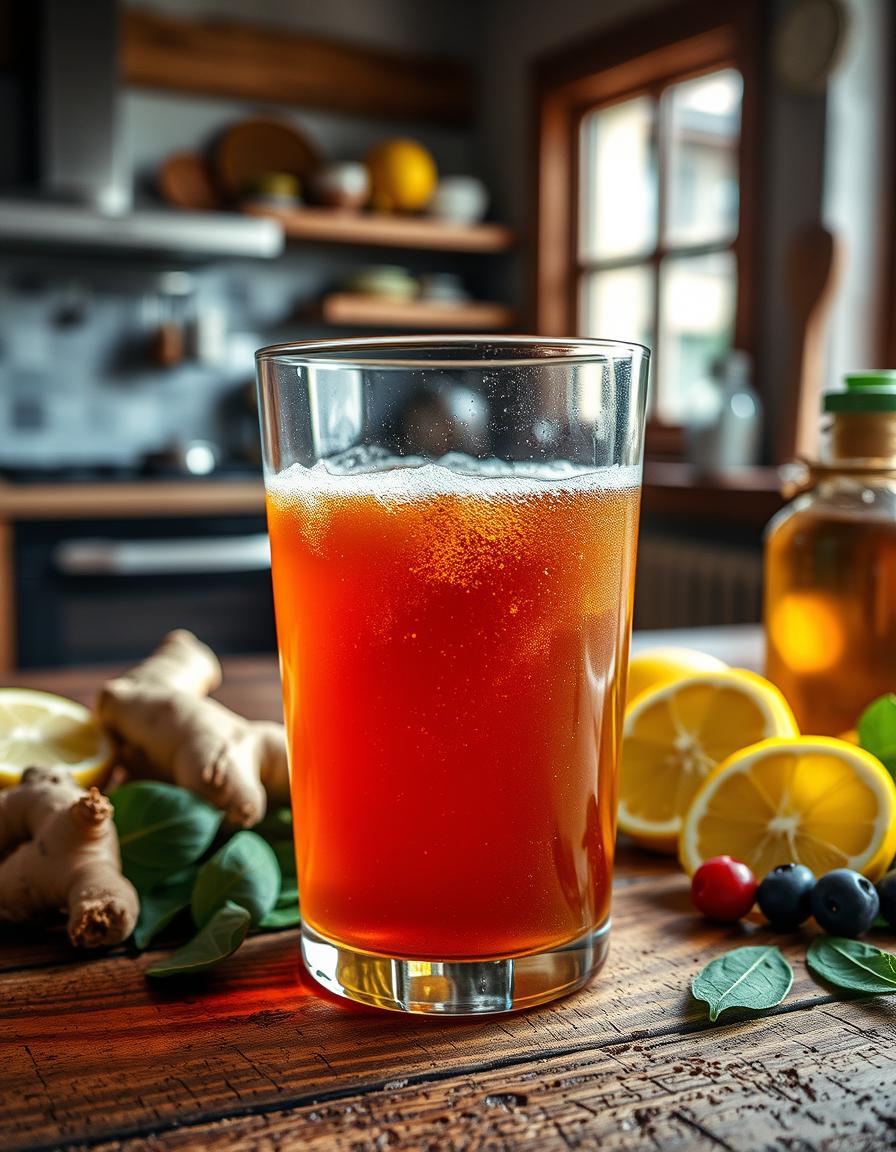

Kombucha has become quite the trendy drink, popping up in cafes, health food stores, and even kitchen countertops everywhere. This fizzy, tangy tea is loved for its probiotic benefits and unique flavor. But if you have gluten sensitivities or celiac disease, you might wonder, is kombucha gluten free? With so many beverages claiming health benefits, it’s smart to check what’s really inside the bottle before taking a sip.
What Is Kombucha?
Kombucha is a fermented tea made by adding a symbiotic culture of bacteria and yeast (SCOBY) to sweetened black or green tea. Over time, the SCOBY ferments the sugar, creating a slightly bubbly, sour drink. People have enjoyed it for hundreds of years, especially in parts of Asia and Eastern Europe.
Because it’s fermented, kombucha is packed with probiotics, which are friendly bacteria that can help digestion and gut health. Plus, kombucha contains vitamins, acids, and antioxidants, which makes it popular among those looking for a healthy alternative to sugary sodas.
Is Kombucha Gluten Free?
The big question: is kombucha gluten free? The short answer is yes—traditional kombucha is naturally gluten free. The basic ingredients are tea, sugar, and the SCOBY culture, none of which contain gluten.
Gluten is a protein found mainly in wheat, barley, and rye. Because kombucha usually doesn’t include these grains, it generally doesn’t have gluten. Even during the fermentation process, gluten doesn’t appear spontaneously, so plain kombucha should be safe for people avoiding gluten.
Possible Gluten Contamination
That said, it’s important to check for any added ingredients or flavors. Some kombucha brands mix in fruit juices, spices, or other flavorings after fermentation. Occasionally, these could contain gluten or be processed in facilities that handle gluten products, which might lead to cross-contamination.
For example, if a brewery that also brews beer makes kombucha, there’s a chance some wheat or barley dust could end up in the kombucha during bottling. While this risk is generally low, people with severe gluten allergies should be cautious.
How to Choose Gluten-Free Kombucha
Here’s a quick checklist to help you pick gluten-safe kombucha:
- Read labels carefully: Look for “gluten free” certifications or notes on the ingredients list.
- Avoid kombucha with malt or barley: Sometimes malt flavoring (which contains gluten) is used in beverages.
- Stick to trusted brands: Choose companies known for strict gluten-free practices.
- Contact the manufacturer: When in doubt, ask about the production methods to ensure no cross-contamination.
The Role of Fermentation in Gluten Content
Fermentation is a fascinating process. You might wonder if it could break down gluten or create gluten-like proteins. In kombucha fermentation, the bacteria and yeast consume sugars and produce acids, but they don’t break down gluten because gluten isn’t present in tea or sugar to begin with.
Contrast this with some fermented foods like soy sauce, where gluten-containing wheat is a base ingredient but is often broken down during fermentation; even then, some residual gluten may remain.
For kombucha, since wheat or barley aren’t part of the ingredients, there’s no gluten to degrade or transform. This means kombucha’s gluten status depends heavily on what’s added after fermentation, not during it.
Kombucha vs. Other Fermented Drinks
It may help to compare kombucha with other popular fermented drinks when thinking about gluten.
| Drink | Gluten Content | Notes |
|---|---|---|
| Kombucha | Gluten free (if no gluten ingredients added) | Made from tea and sugar; generally safe |
| Beer | Contains gluten | Usually brewed with barley or wheat |
| Hard Cider | Gluten free | Made from apples; naturally free of gluten |
| Kefir (milk-based) | Gluten free | Fermented milk, no gluten involved |
| Distilled Spirits (e.g. vodka) | Gluten free | Distillation removes gluten proteins |
Homemade Kombucha and Gluten
If you’re a fan of DIY projects, you might even make your own kombucha at home. This gives you complete control over ingredients and hygiene. Since you’re starting with plain tea and sugar, homemade kombucha is naturally gluten free.
Just avoid adding gluten-containing flavorings later on. Making kombucha can be a fun experiment—kind of like brewing your own probiotic potion! And once you’ve got your health drink sorted, maybe try working out with an at home pilates kit to keep your body feeling strong and refreshed.
Common Myths About Kombucha and Gluten
People sometimes confuse kombucha with beer or worry that fermentation equals gluten. Here are a few myths debunked:
- Myth: All fermented drinks contain gluten.
- Fact: Fermentation does not create gluten. Gluten comes from grains like wheat and barley.
- Myth: Kombucha made in breweries is unsafe for gluten intolerance.
- Fact: Some breweries take extra care to avoid cross-contamination. Always check labels.
- Myth: You can’t trust kombucha unless certified gluten free.
- Fact: Many standard kombuchas are naturally gluten free, but certification helps if you have severe allergies.
Tips for People with Gluten Sensitivity
If gluten causes you discomfort, whether mild or severe, here are some tips to enjoy kombucha safely:
- Start with small amounts to see how your body reacts.
- Buy from companies that provide clear gluten-free labeling.
- Watch out for flavored kombuchas with added ingredients.
- Consider making your own kombucha at home for peace of mind.
- Keep a food diary to track any reactions.
Conclusion
So, is kombucha gluten free? Generally speaking, yes. Kombucha’s main ingredients—tea, sugar, and the SCOBY—do not contain gluten, making it a safe choice for most people who avoid gluten. However, it’s important to remain alert about added flavors or possible cross-contamination, especially if you have celiac disease or a severe gluten allergy.
Reading labels carefully and choosing reputable brands can help ensure your kombucha experience is both tasty and safe. Whether you grab a bottle off the shelf or brew your own, kombucha can be a refreshing, gut-friendly drink without the worry of gluten. Just remember to listen to your body and enjoy the fizzy goodness!

I’m Sandy – sharing simple tips, plans, and motivation to help you stay in a calorie deficit Plan and reach your fitness goals.
