
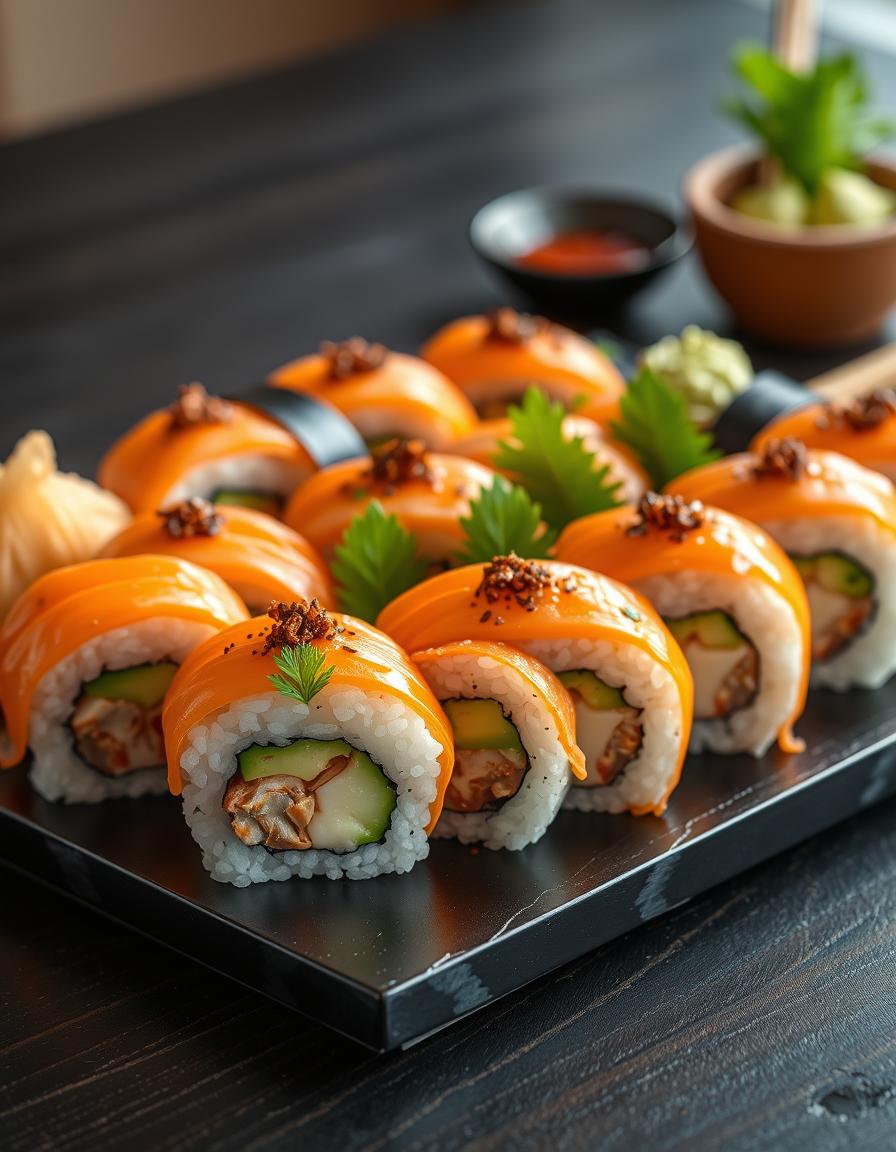

Sushi lovers often enjoy imitation crab as a tasty and affordable option. But if you’re paying close attention to gluten in your diet, you might wonder whether imitation crab is safe to eat. Many people ask, “Is imitation crab gluten free?” especially when ordering sushi or making it at home. Since gluten can cause reactions for those with celiac disease or gluten sensitivity, understanding the ingredients in imitation crab is important. Let’s take a closer look at what imitation crab is made from and whether you can enjoy it without worrying about gluten.
What Is Imitation Crab?
Imitation crab, also known as surimi, is a seafood product made to mimic the flavor and texture of real crab meat. It’s typically made from white fish like pollock that is minced, washed, and blended with other ingredients. The mixture is then shaped, cooked, and sometimes flavored to resemble crab meat.
This product is popular because it’s less expensive than real crab and has a mild taste that works well in sushi rolls, salads, and other dishes. However, imitation crab’s ingredients and additives can vary based on brands and types.
Ingredients Commonly Found in Imitation Crab
- White fish (usually Alaskan pollock)
- Starch (corn starch, wheat starch, or potato starch)
- Egg whites (for binding)
- Sugar and salt (for flavor)
- Flavorings and crab extract or artificial crab flavor
- Vegetable oils
- Food coloring (to give that pinkish-red tint)
- Preservatives
While these ingredients might seem straightforward, the key concern for those avoiding gluten is the starch used. This is where questions about whether imitation crab gluten free come into play.
Is Imitation Crab Gluten Free?
The simple answer is: it depends. Many imitation crab products contain wheat starch or other gluten-containing ingredients, which means they are not gluten free. However, some brands use gluten-free starches like potato or corn starch, making those options safe for people avoiding gluten.
Unfortunately, the packaging doesn’t always make this clear. If you have celiac disease or a strong gluten sensitivity, it’s essential to check the ingredient label carefully or contact the manufacturer to confirm the gluten content.
How to Identify Gluten in Imitation Crab
- Check the label: Look for any mention of wheat, barley, rye, or malt-based ingredients.
- Look for gluten-free certification: Some products carry a gluten-free label, which is a good sign they meet safety standards.
- Contact the brand: When in doubt, ask the manufacturer directly about gluten content.
Since gluten can sometimes sneak into imitation crab through thickeners or fillers, vigilance is key. Don’t rely solely on the “crab stick” name, as it doesn’t guarantee anything about gluten.
Imitation Crab and Sushi: What You Need to Know
Sushi is a dish loved worldwide, and imitation crab plays a starring role in many popular rolls like the California roll. When eating sushi, it’s important to consider all the ingredients, especially soy sauce, which almost always contains gluten unless specified gluten-free.
If you’re aiming for a gluten-free sushi experience, ensure the imitation crab gluten free product is used, and double-check the soy sauce or sauces involved. Many sushi restaurants offer gluten-free soy sauce or tamari, which is a safer choice.
Tips to Enjoy Gluten-Free Sushi with Imitation Crab
- Ask your sushi chef or server if the imitation crab contains wheat or gluten.
- Bring your own gluten-free soy sauce to avoid cross-contamination.
- Choose sushi rolls without tempura or fried ingredients, which often contain gluten.
- Confirm that rice vinegar used is gluten free (most are, but some brands may vary).
Gluten-Free Alternatives to Imitation Crab
If you want to avoid any risk, you can try real crab meat or other seafood in your sushi. While real crab tends to be more expensive, it’s naturally gluten free and super delicious.
Other alternatives include cooked shrimp, tuna, salmon, and vegetables like cucumber or avocado. These options provide a great taste without worrying about gluten sneaking in.
| Option | Gluten Status | Flavor Profile | Cost |
|---|---|---|---|
| Real Crab Meat | Gluten Free | Sweet, delicate | Higher |
| Imitation Crab (Gluten-Free Brands) | Gluten Free (check label) | Mild, slightly sweet | Moderate |
| Imitation Crab (Contains Wheat) | Contains Gluten | Mild, slightly sweet | Lower |
| Shrimp | Gluten Free | Savory, slightly sweet | Moderate |
| Tuna/Salmon | Gluten Free | Rich, fatty | Moderate to High |
Cross-Contamination Risks
Even if you find imitation crab gluten free, there’s still a chance of cross-contamination, especially at sushi restaurants where gluten-containing products are handled nearby. Restaurants that do not have strict gluten-free protocols may inadvertently cause gluten to get into sushi rolls.
To be on the safe side, communicate your dietary needs clearly to the staff and ask how they prevent gluten contamination. Some places have dedicated spaces or utensils to handle gluten-free sushi, which can make a big difference.
Why Gluten-Free Matters in Imitation Crab
For people with celiac disease, even tiny amounts of gluten can trigger symptoms like stomach pain, fatigue, or skin rashes. Others with gluten sensitivity may experience bloating or headaches. Knowing whether imitation crab gluten free is important to avoid these unpleasant effects.
Gluten is found in wheat, barley, and rye, but it can also hide in additives like starch or flavorings. When you enjoy sushi, you want the experience to be fun and delicious, not a reason to worry. So, making sure your imitation crab is gluten free adds that layer of confidence to your meal.
On a lighter note, imagine biting into a California roll and suddenly realizing you accidentally ate gluten—that’s enough to spoil anyone’s sushi night. Better safe and tasty than sorry and uncomfortable!
By the way, if you are curious about other foods and their nutritional impact, you might find it interesting to check out carne asada taco calories. Knowing what’s in your food can help you make balanced choices.
Conclusion
So, is imitation crab gluten free? The answer varies. Many imitation crab products contain gluten due to wheat starch or other ingredients, but some brands offer gluten-free versions. Always read labels carefully, ask questions, and choose trusted brands if gluten is a concern. When enjoying sushi, consider the sauces and preparation methods as well. If you want to avoid gluten entirely, real crab or other seafood options are excellent choices. Being informed lets you enjoy your sushi safely, making mealtime something to look forward to rather than worry about.

I’m Sandy – sharing simple tips, plans, and motivation to help you stay in a calorie deficit Plan and reach your fitness goals.
