
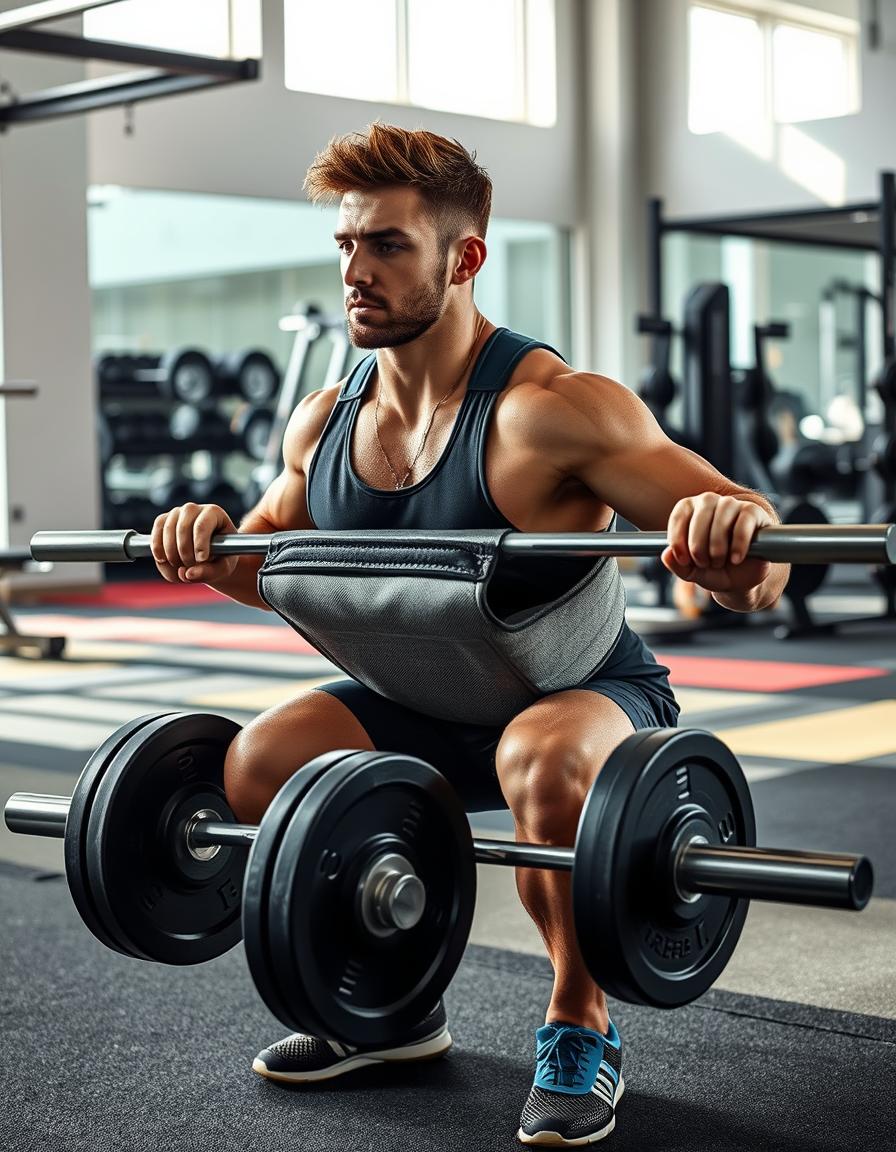

Squatting is a powerful exercise that builds your legs, glutes, and core strength. However, many people experience discomfort from the barbell pressing against their shoulders or neck. That’s where a squat bar pad comes in handy. This simple accessory cushions the bar, making your squatting sessions much more comfortable and allowing you to focus on proper form without pain. If you’ve ever wondered how to use a squat bar pad correctly, this article will guide you through the process so you can lift safely and effectively.
What Is a Squat Bar Pad?
A squat bar pad is a thick, foam-covered sleeve that wraps around the barbell. It helps reduce pressure on your shoulders, neck, and upper back while squatting. Many gym-goers find the bare steel bar uncomfortable, especially when lifting heavy weights, as it can dig into sensitive areas and cause bruising or soreness.
Squat bar pads come in various thicknesses and lengths. Some are plain foam tubes, while others include soft covers with velcro straps for easy attachment. They’re popular among beginners and experienced lifters alike, and they offer a quick solution to discomfort without changing your squatting technique.
How to Choose the Right Squat Bar Pad
Before we get into how to use a squat bar pad properly, it helps to pick one that suits your needs. Here are some tips:
- Thickness: Thicker pads provide more cushioning but may affect how the bar feels on your back. If you prefer a more natural feel, opt for a thinner pad.
- Length: Longer pads cover more of the barbell, giving extra protection if you change your grip or move the bar slightly during lifts.
- Material: Look for foam dense enough not to squeeze flat under heavy loads. Some pads have soft fabric covers that prevent slipping and absorb sweat.
- Attachment: Pads with velcro or clips are simpler to secure and remove. If you share equipment, this convenience saves time.
Step-by-Step Guide to Using a Squat Bar Pad Correctly
Using a squat bar pad is straightforward, but a few key steps ensure the best experience. Follow these instructions to keep your workouts safe and comfortable:
1. Position the Pad in the Center of the Bar
Slide the pad onto the barbell so that it sits right in the middle of the bar’s back section. The center placement ensures even cushioning across your traps and upper back. Some pads have a marked center or a logo to guide you.
2. Secure the Pad Firmly
If your squat bar pad has straps, wrap and fasten them tightly so the pad doesn’t slide during your squats. Even if it doesn’t have straps, wiggle it a bit to make sure it grips the bar well. A loose pad can shift and cause loss of balance or discomfort.
3. Position the Bar Properly on Your Back
Place the barbell on your trapezius muscles (the upper back area below your neck) if you’re performing a high-bar squat. For low-bar squats, it rests just below the traps on the rear deltoids. The squat bar pad should line up perfectly with this spot to protect your skin and bones from pressure.
4. Use Proper Hand Grip and Foot Placement
Hold the bar firmly with your hands spaced comfortably. Your feet should be roughly shoulder-width apart with toes slightly pointed out. The pad won’t fix poor form, so keep your posture solid. Tighten your core and chest before lowering yourself.
5. Perform Controlled Squat Movements
While squatting with the pad, keep your movements smooth and controlled. Don’t bounce at the bottom or lean too far forward. The pad cushions but doesn’t support your technique. Consistent practice helps your muscles and joints stay happy.
Common Mistakes to Avoid When Using a Squat Bar Pad
Even with a useful accessory like a squat bar pad, it’s easy to make small errors that cause discomfort or injury. Here are some pitfalls to watch out for:
| Mistake | Why It’s a Problem | How to Fix It |
|---|---|---|
| Misaligned Pad | The pad slides off the pressure points, causing pinching or slipping. | Center the pad properly on the bar; double-check before lifting. |
| Loose Attachment | The pad moves during lifts, distracting and reducing stability. | Tighten the straps or choose a pad with better grip material. |
| Ignoring Form | Relying on the pad for comfort but squatting with poor posture leads to injuries. | Focus on proper technique first; use the pad as a comfort aid only. |
| Overpadding | Very thick pads can alter bar position, making balance tricky. | Try different thicknesses to find what feels natural for you. |
Benefits of Using a Squat Bar Pad
Aside from comfort, a squat bar pad offers several advantages that can improve your workout experience:
- Reduces bruising and soreness on the upper back and shoulders.
- Helps beginners feel more confident when starting with squats.
- Allows for longer training sessions by minimizing discomfort.
- Makes it easier to stay consistent with squatting as a part of your routine.
Remember, comfort often leads to better consistency and progress. If you’re trying to lose weight or build muscle, pair your workout plan with a calorie deficit meal plan to maximize results.
Cleaning and Maintaining Your Squat Bar Pad
Keeping your squat bar pad clean is pretty simple and necessary for hygiene, especially if you share gym equipment or train frequently. Wipe it down with a damp cloth after workouts to remove sweat and dirt. Occasionally, use a mild soap solution for a deeper clean, but avoid soaking the foam as this may cause damage or odors.
Check the straps or velcro regularly; worn closures can make the pad less effective. Replacing your squat bar pad every year or so is a good idea if you use it heavily.
Final Thoughts on Using a Squat Bar Pad
Using a squat bar pad correctly can make a noticeable difference in your comfort and performance during squats. It’s a small accessory that solves a big problem for many lifters. By choosing the right pad, positioning it properly, and maintaining your form, you can squat with less pain and better confidence.
Think of the squat bar pad as a helpful friend that cushions the rough edges but expects you to do the hard work. With this tool, you’ll be one step closer to stronger legs and a healthier body—without the battle scars on your shoulders!
Conclusion
A squat bar pad is an easy fix for the discomfort caused by the heavy bar pressing against your body during squats. Picking the right pad and using it correctly ensures you get the cushioning without sacrificing balance or form. Avoid common mistakes like misplacement or relying solely on the pad for support. Keep it clean and well-maintained to last longer, and enjoy a more comfortable, effective squat workout. Whether you’re new to lifting or have been squatting for years, the squat bar pad offers a simple way to lift smarter, not harder.

I’m Sandy – sharing simple tips, plans, and motivation to help you stay in a calorie deficit Plan and reach your fitness goals.
