
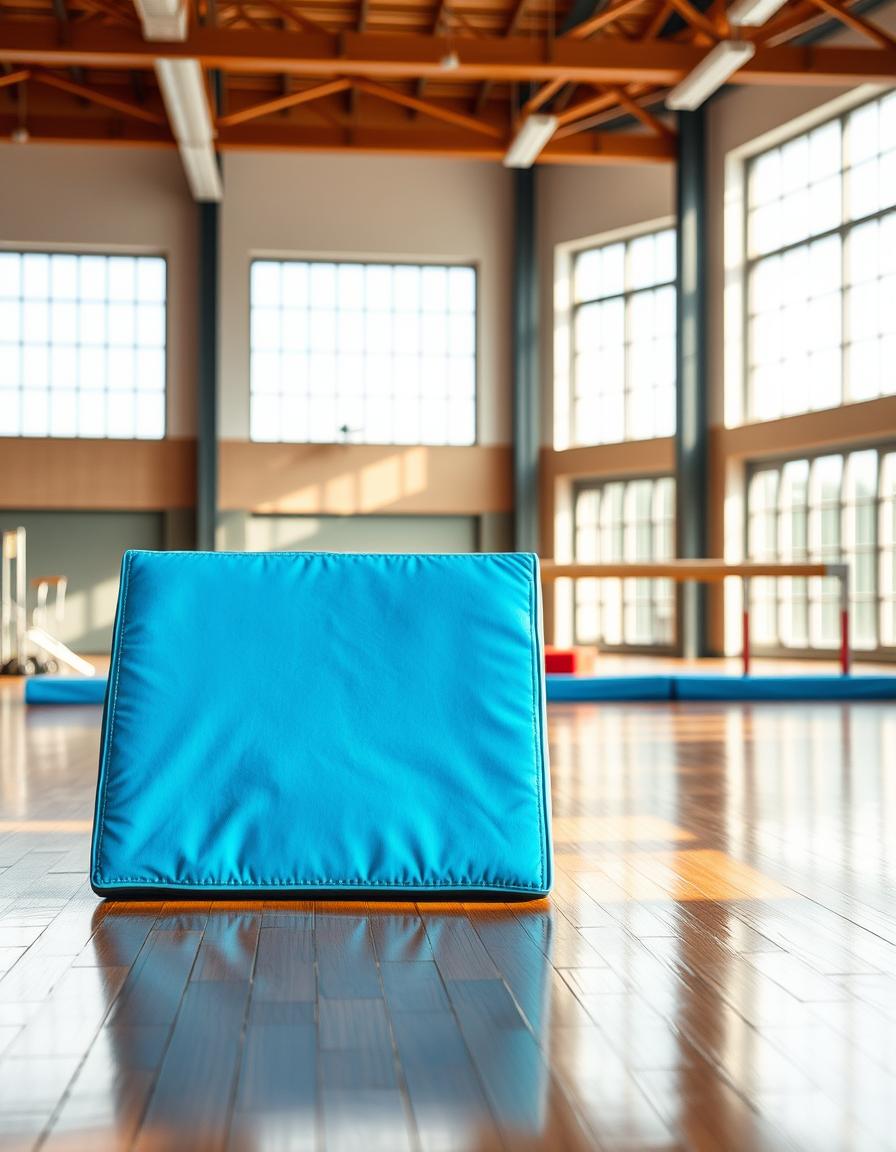

Whether you’re a beginner gymnast or a seasoned pro, having the right gymnastics crash mat can make all the difference between a safe landing and a rough tumble. These mats act as your safety net, absorbing impact and protecting your joints and bones during flips, jumps, and other gymnastic moves. Choosing the perfect mat isn’t just about picking the biggest or the thickest—it’s about understanding what fits your needs and space.
Why a Gymnastics Crash Mat is Important
Imagine trying a new flip and landing on a hard floor—it would hurt, right? A gymnastics crash mat provides the cushioning needed to avoid injuries. It’s the difference between a confident practice session and worrying every time you try something new. These mats help by reducing the shock your body feels and giving you the confidence to push your limits.
Plus, they are great for other activities too, like cheerleading, martial arts, or just safe playtime. With a wide variety of mats available, you can find one that fits your training style and space.
Key Features to Look For
Thickness and Density
Thickness is probably the first thing you notice. Gymnastics crash mats usually range from 2 inches to 6 inches thick. Thicker mats offer more protection but can be harder to store and carry. Density matters just as much—denser foam absorbs impact better and lasts longer.
- Thicker mats are ideal for high-impact landings or beginners who need extra cushioning.
- Thinner mats work well for advanced gymnasts who need firm support for balance and technique.
Size and Shape
Space can be a real challenge, especially if you’re working indoors. Gymnastics crash mats come in various sizes—some are large enough to cover a whole corner, while others fold up easily for storage. The shape also matters; rectangular mats are standard, but wedge-shaped mats help with specific skills like rolls and handstands.
Cover Material
The outside cover should be durable and easy to clean because sweat and dust build up quickly. Most crash mats have a vinyl cover, which is waterproof and tough against tears. Some brands offer textured materials that prevent slipping, which is a bonus if you want extra grip.
Portability
If you practice in different locations, portability becomes key. Look for mats with handles or foldable designs that make moving them less of a workout. This can save you from feeling like a weightlifter when you just want to train.
Types of Gymnastics Crash Mats
| Type | Description | Best For |
|---|---|---|
| Standard Folding Mat | Multiple panels that fold for easy storage | Home practice and small spaces |
| Panel Mat | Thick, heavy, and covers large areas | Gymnastics gyms or serious training |
| Incline/Wedge Mat | Sloped mat to help with skill progression | Learning rolls, handstands, and cartwheels |
| Landing Mat | Extra thick mats for absorbing high jumps | Vaulting and tumbling landings |
How to Choose the Right Mat for You
Think about your goals and where you’ll use the gymnastics crash mat. If you have limited space and practice at home, a folding mat that’s lightweight and easy to store fits the bill. For those training hard in a gym setting, investing in thicker, more resilient mats is smarter.
Also, consider how much cushioning you want. Beginners or those working on big tricks often need mats with more padding, while experienced gymnasts sometimes prefer a firmer surface to perfect balance and precision.
Budget Matters
You don’t have to break the bank to get a good gymnastics crash mat. Prices can vary widely, but it’s worth spending on quality because your safety depends on it. Sometimes, a used mat in good condition works fine. Just check for rips, flattened foam, or damaged covers before buying secondhand.
Maintenance Tips
Keeping your gymnastics crash mat clean and in good shape extends its life. Wipe down the surface after each use with a mild disinfectant, especially if you share it with friends. Avoid using harsh chemicals that can damage the cover.
Also, store the mat in a dry place away from direct sunlight. Sunlight can cause cracks in the cover and weaken the foam inside. If you notice any tears or holes, fix them quickly to avoid bigger problems.
Additional Safety Considerations
- Always check the mat before use for any damage.
- Place the mat on a flat, stable surface.
- Use mats in combination with spotters when learning new skills.
- Never use a mat that feels too soft or too hard for your body.
While on the topic of health and fitness, tracking your progress can be just as important as safety gear. If you want to manage your fitness better, try using a calorie deficit calculator to monitor your nutritional intake and energy output. It’s a neat tool that keeps your wellness journey on track.
Conclusion
Picking the right gymnastics crash mat can feel like a bit of a puzzle, but knowing what to look for simplifies things. Focus on thickness, size, and portability based on your specific needs. Remember, the goal is to keep practicing safely and confidently. With the right mat, you’ll land smoothly every time and maybe even impress your friends with new tricks. So grab a mat that suits your style, and get ready to flip, roll, and tumble with peace of mind!

I’m Sandy – sharing simple tips, plans, and motivation to help you stay in a calorie deficit Plan and reach your fitness goals.
