
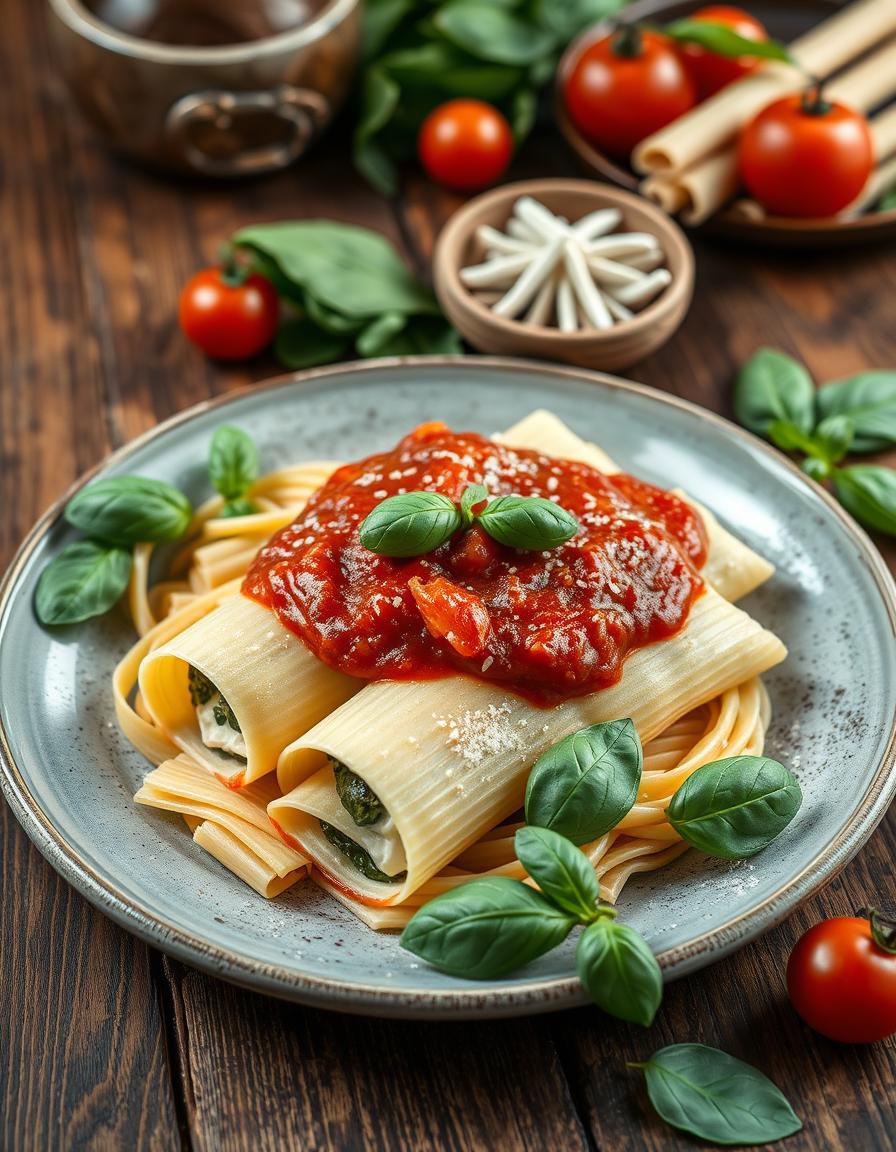

Manicotti is a classic Italian dish loved for its creamy, cheesy filling wrapped inside pasta tubes and baked with rich tomato sauce. But if you have a gluten intolerance or celiac disease, traditional manicotti is off the table—literally. Luckily, you can still enjoy all the comfort and flavors by making gluten free manicotti at home. With a few simple swaps and homemade or store-bought gluten free pasta options, you can create a mouthwatering meal that everyone will devour.
What Is Gluten Free Manicotti?
Gluten free manicotti is the same delicious recipe you know, but made without any wheat-based pasta. Instead, it uses pasta made from rice, corn, or other gluten free grains, or even homemade gluten free pasta. The filling typically includes ricotta cheese, mozzarella, parmesan, and herbs—creamy and satisfying. The pasta tubes are stuffed, covered in marinara or tomato sauce, and baked until bubbly and golden.
This dish is a great example of how you don’t have to sacrifice taste when you avoid gluten. With the rise of gluten free ingredients, recipes like gluten free manicotti are becoming more accessible and simple to prepare. Plus, it’s a wonderful way to impress friends or family who might be curious about gluten free cooking.
Choosing the Right Gluten Free Pasta for Manicotti
Your success with gluten free manicotti depends heavily on the pasta you pick. Traditional manicotti relies on sturdy pasta tubes that hold their shape well. Since gluten free pasta can be softer or crumbly, you want to choose brands with good reviews or consider making your own pasta sheets.
Store-Bought Options
- Gluten Free Manicotti Tubes: Some brands specialize in gluten free manicotti or cannelloni tubes. These are great for beginners.
- Gluten Free Lasagna Sheets: If manicotti tubes aren’t available, use lasagna sheets to roll your filling inside. Just boil and handle gently.
- Rice or Corn Pasta: These tend to hold up better and have a neutral flavor that pairs well with tomato sauce.
Making Homemade Gluten Free Pasta Sheets
For a more hands-on approach, making gluten free pasta dough from a mix of rice flour, tapioca starch, and xanthan gum can be a fun project. After rolling thin, cut the dough into rectangles for rolling your filling inside. It takes a little practice, but yields a tender and fresh pasta experience. Just make sure the sheets aren’t too thick or they’ll be tough to bite through after baking.
Filling Ideas for Gluten Free Manicotti
The filling is where you get to be creative. The classic filling uses ricotta, mozzarella, and parmesan cheeses mixed with herbs and sometimes cooked spinach or ground meat. Here’s a simple mixture that’s a crowd-pleaser:
| Ingredient | Quantity |
|---|---|
| Ricotta Cheese | 1 ½ cups |
| Shredded Mozzarella | 1 cup |
| Grated Parmesan | ½ cup |
| Egg | 1 large (to bind) |
| Chopped Spinach (optional) | 1 cup (cooked and drained) |
| Fresh Basil or Parsley | 2 tbsp, chopped |
| Salt and Pepper | To taste |
Mix all ingredients well. The egg helps ensure the filling stays smooth and doesn’t spill out while baking. If you prefer a meaty version, sauté some ground beef or Italian sausage and add it to the cheese mixture.
Preparing the Gluten Free Manicotti
Once you have your pasta and filling ready, it’s time to assemble this tasty dish. Here’s a straightforward way to cook it:
- Preheat Oven: Set your oven to 350°F (175°C).
- Cook Pasta: Boil your gluten free manicotti tubes or pasta sheets just until pliable, then drain carefully to avoid tearing.
- Stuff the Pasta: Using a spoon or piping bag, fill each tube or roll each pasta sheet tightly with the cheese mixture.
- Prepare Baking Dish: Spread a thin layer of tomato sauce on the bottom to prevent sticking.
- Arrange Manicotti: Place the filled pasta side by side in the dish.
- Top with Sauce & Cheese: Cover completely with marinara sauce and sprinkle extra mozzarella or parmesan on top.
- Bake: Cover loosely with foil and bake for 30 minutes. Remove foil and bake another 10 minutes to brown the cheese.
Troubleshooting Tips for Perfect Gluten Free Manicotti
Gluten free pasta can be tricky. If your manicotti falls apart, here are some helpful pointers:
- Don’t overcook the pasta before stuffing; it should be firm enough to handle.
- Use a binding egg in the filling to keep everything together.
- If the pasta tears easily, try rolling filling in lasagna sheets instead of tubes.
- Let the manicotti rest a few minutes after baking before serving to set the filling.
- Choosing pasta with xanthan gum often improves elasticity and firmness.
Serving Suggestions
Gluten free manicotti is a hearty meal on its own, but adding fresh sides makes it even better:
- A crisp green salad with a balsamic vinaigrette
- Garlic roasted vegetables like broccoli or asparagus
- Warm crusty gluten free bread for dipping
- A glass of red wine, if you’re feeling fancy
If you’re curious about other calorie-conscious dishes, you might want to check out this detailed breakdown of kimchi fried rice calories. It’s packed with flavor and nutrition, perfect for balancing out indulgent meals.
Storing and Reheating
Leftover gluten free manicotti keeps well in the fridge for up to 3 days. Cover tightly with foil or plastic wrap. To reheat, pop it in the oven at 350°F for about 20 minutes, or microwave individual portions until warm. You might want to add a splash of water or extra sauce before reheating to keep everything moist.
Conclusion
Making gluten free manicotti is a rewarding way to enjoy a traditional dish without gluten worries. With the right pasta, a creamy filling, and rich tomato sauce, you can create a unique meal that feels both comforting and special. Whether cooking for yourself or guests, this dish proves that gluten free meals can be just as tasty and fun. So don’t be afraid to roll up your sleeves and get cooking—your taste buds will thank you!

I’m Sandy – sharing simple tips, plans, and motivation to help you stay in a calorie deficit Plan and reach your fitness goals.
