
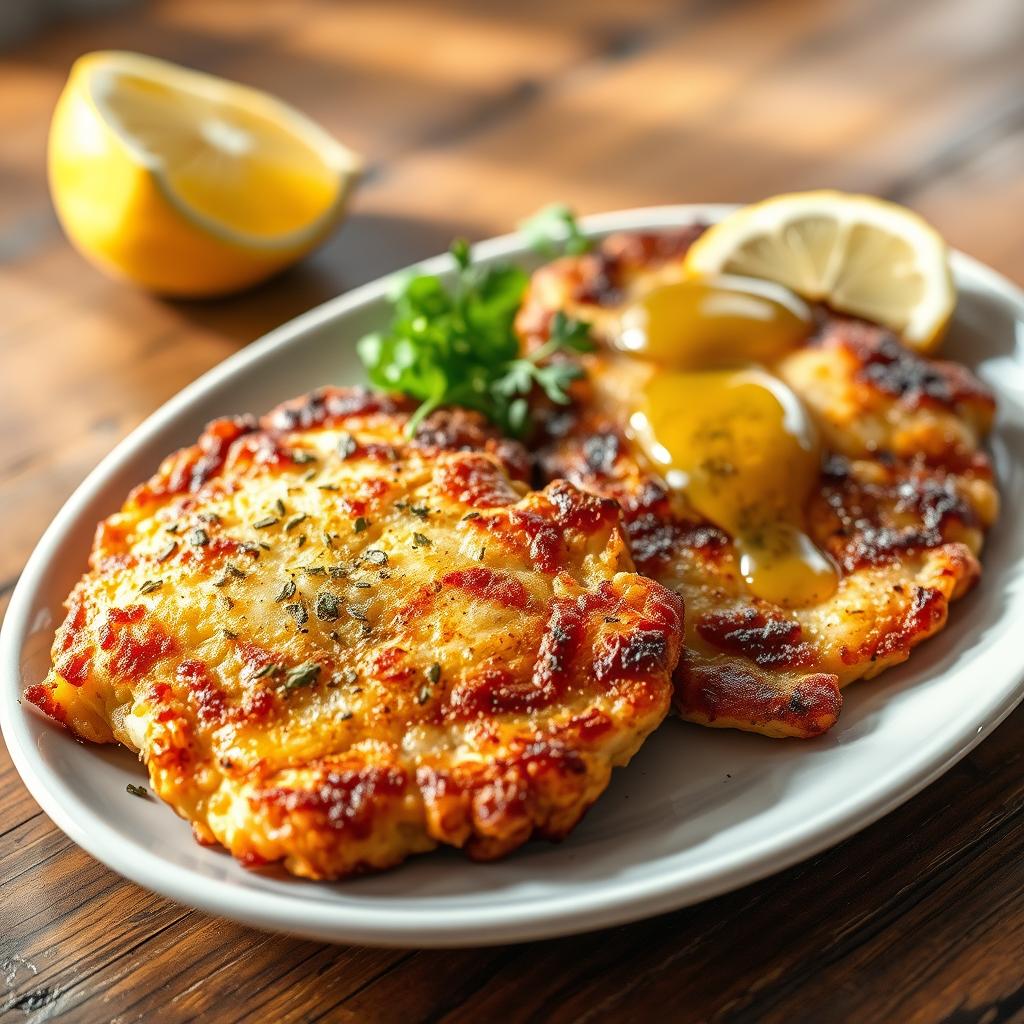
The chicken cutlet is a true culinary champion. Crispy on the outside, tender and juicy on the inside, it’s the star of countless dishes, from hearty sandwiches to the classic Chicken Parmesan. But if you’re mindful of your diet, a critical question often comes to mind: how do the preparation methods stack up? The difference between a golden, pan fried cutlet and a carefully baked one can be significant, especially when you start counting the chicken cutlet calories. This guide will break down everything you need to know, comparing fried versus baked options to help you make informed choices without sacrificing flavor.
What Exactly Is a Chicken Cutlet?
Before we dive into the numbers, let’s clarify what we’re talking about. A chicken cutlet isn’t a specific cut of meat you buy from the butcher. Instead, it refers to a boneless, skinless chicken breast that has been pounded or sliced thin. This simple preparation technique serves two purposes: it tenderizes the meat and creates a uniform thickness, which allows it to cook quickly and evenly. This speed and consistency make it perfect for getting a delicious meal on the table in minutes.
The thinness of the cutlet is key to its popular preparations, which almost always involve a crispy coating. This breading, typically a three step process of flour, egg wash, and breadcrumbs, is where much of the texture, flavor, and, ultimately, the calories are introduced. How that breaded cutlet is then cooked in a pan of hot oil or in the dry heat of an oven is the single biggest factor affecting the final nutritional profile and the total chicken cutlet calories.
A Head to Head Calorie Comparison: Fried vs. Baked
Let’s get straight to the point. Most people want to know the bottom line: which one has fewer calories? To give you a clear picture, we’ve broken down the estimated nutritional information for a typical homemade 4 ounce (113g) chicken cutlet. The assumptions here include a standard breading of flour, egg, and plain breadcrumbs.
| Nutrient (per 4oz cutlet) | Fried Chicken Cutlet (Pan fried in oil) | Baked Chicken Cutlet |
|---|---|---|
| Calories | ~430 kcal | ~260 kcal |
| Fat | ~24g | ~8g |
| Protein | ~30g | ~31g |
| Carbohydrates | ~20g | ~15g |
As you can see, the difference is dramatic. A single fried chicken cutlet can have nearly double the calories and triple the fat of its baked counterpart. The protein remains almost identical because the core ingredient the chicken is the same. The variation in chicken cutlet calories comes almost entirely from the cooking method and how much oil is absorbed during the process.
Breaking Down the Fried Chicken Cutlet Calories
That crispy, golden brown crust on a fried chicken cutlet is undeniably delicious, but it comes at a nutritional cost. The high calorie count is a result of two main components: the breading and the frying oil. Understanding how these contribute to the total chicken cutlet calories is key.
The Breading Breakdown
The journey to a crispy cutlet starts with the breading. This coating not only adds texture and flavor but also a significant number of carbohydrates and calories. A standard breading station includes:
- Flour: A light dusting of all purpose flour helps the egg wash stick. It adds around 25 30 calories.
- Egg Wash: A beaten egg acts as the glue for the breadcrumbs, contributing about 20 25 calories.
- Breadcrumbs: This is the main component of the crust. A quarter cup of plain, dry breadcrumbs adds approximately 110 calories. Using panko can slightly change the texture and oil absorption, but the initial calorie count is similar.
Combined, the breading alone adds about 160 calories before the cutlet even touches a hot pan. This is an important baseline when evaluating chicken cutlet calories.
The Frying Factor: Oil’s Impact
Here’s where the calorie count really skyrockets. When you pan fry a breaded cutlet, the coating acts like a sponge, soaking up the cooking oil. While some of the oil stays in the pan, a considerable amount is absorbed into the food. Vegetable oil, olive oil, and canola oil all contain around 120 calories per tablespoon.
A typical pan frying process can easily add 1.5 to 2 tablespoons of absorbed oil to a single cutlet. That’s an extra 180 to 240 calories composed entirely of fat. This absorption is the primary reason why fried chicken cutlet calories are so much higher than those in baked versions. The crispy texture is a direct result of this fat infusion, making it a trade off between taste and nutrition.
A Closer Look at Baked Chicken Cutlet Calories
Choosing to bake your chicken cutlet is one of the easiest and most effective ways to lower its calorie and fat content. The process leverages the power of dry heat, delivering a satisfyingly crisp result without the need for excess oil. Let’s examine why the baked chicken cutlet calories are so much more manageable.
The Lean Protein Powerhouse
At its core, a 4 ounce skinless chicken breast is a fantastic source of lean protein, containing only about 125 calories. When you bake it, you preserve this lean profile. The cooking process might even render out a tiny amount of natural fat from the chicken, but it certainly doesn’t add any. This makes the chicken itself a healthy foundation for your meal.
Lighter Breading, Lower Calories
While a baked cutlet uses the same breading ingredients flour, egg, and breadcrumbs the final result is different. Because you aren’t relying on a deep layer of breading to protect the chicken from intense, direct heat from oil, you can often get away with a thinner coating. More importantly, the breading doesn’t become saturated with fat.
The Magic of Dry Heat
Baking relies on the hot, circulating air inside an oven to cook the chicken. To achieve a golden, crispy crust without frying, all you need is a light spritz of cooking spray or a tiny drizzle of oil perhaps half a teaspoon at most. This tiny amount of fat, maybe 20 calories’ worth, is just enough to help the breadcrumbs toast and brown beautifully.
By eliminating the deep frying or shallow frying stage, you sidestep the hundreds of extra calories from absorbed oil. This simple switch is what makes the final tally for baked chicken cutlet calories so much lower and a far healthier option for regular consumption.
Beyond Fried vs. Baked: Other Cooking Methods
The choice isn’t just between the frying pan and the oven. Modern kitchen gadgets have introduced new ways to cook a delicious chicken cutlet, and traditional methods offer even leaner alternatives.
Air Fryer Chicken Cutlets
The air fryer has become a popular tool for health conscious cooks, and for good reason. It works by circulating extremely hot air at high speed, mimicking the results of deep frying with a fraction of the oil. For a breaded cutlet, an air fryer can produce a remarkably crispy crust using just a light spray of oil. The resulting chicken cutlet calories from an air fryer are very similar to those of a baked cutlet, typically around 270 300 calories, making it an excellent, convenient alternative.
Grilled or Pan Seared Cutlets (No Breading)
For the lowest possible calorie count, you can skip the breading altogether. A thin chicken cutlet cooks in just a few minutes on a grill or in a hot pan. Seasoned generously with herbs and spices, a plain, pan seared cutlet contains only the calories of the chicken itself plus a minimal amount for the cooking oil used often landing around 150 170 calories. This is a great choice for salads, wraps, or a light main course.
Factors That Influence Your Chicken Cutlet Calories
The final calorie count of your meal is influenced by several variables. Being aware of these factors can help you better manage your nutritional intake.
- Portion Size: This is the most straightforward factor. An 8 ounce cutlet will have double the chicken cutlet calories of a 4 ounce one. Pay attention to the weight of the raw chicken before you start cooking.
- Breading Thickness: A thicker, heavier coating of breadcrumbs means more carbs and more surface area to absorb oil if you’re frying. A light dusting will always be a lower calorie option.
- Amount of Oil: When frying, the difference between using two tablespoons of oil versus four can add over 200 calories to your final dish. Always measure your oil instead of pouring it freely from the bottle.
- Added Ingredients: A chicken cutlet is often just the beginning. Topping it with marinara sauce and mozzarella cheese for Chicken Parmesan can add another 150 250 calories. Serving it in a sandwich with mayonnaise and bread adds even more. Always consider the entire dish when thinking about chicken cutlet calories.
How to Make a Healthier, Low Calorie Chicken Cutlet
You don’t have to give up this delicious dish to eat healthily. With a few simple tweaks, you can create a fantastic chicken cutlet that fits into any balanced diet.
- Bake or Air Fry: As we’ve shown, this is the single most effective change you can make to reduce chicken cutlet calories and fat content.
- Rethink Your Breading: Try using whole wheat breadcrumbs or panko for a lighter, crispier texture that may absorb less oil. You can also mix in ground flaxseed or almond flour to add nutrients.
- Season Generously: Pack your breadcrumb mixture with flavor by adding garlic powder, onion powder, paprika, dried herbs, and black pepper. A flavorful crust means you won’t feel the need for high calorie sauces later.
- Measure Your Oil: If you must pan fry, use a non stick skillet and carefully measure out one tablespoon of a heart healthy oil like avocado or olive oil. This gives you control over the added calories.
- Go Naked: For a super lean option, skip the breading entirely. A simple, seasoned, and pan seared cutlet is a quick and healthy protein source.
Frequently Asked Questions (FAQ)
How many calories are in a breaded chicken cutlet without frying?
A typical 4 ounce breaded chicken cutlet that is baked or air fried (without being submerged in oil) contains approximately 260 280 calories. The exact number depends on the thickness of the breading, but the baked chicken cutlet calories are significantly lower than fried versions.
Do panko breadcrumbs have fewer calories than regular breadcrumbs?
Calorie wise, panko and regular breadcrumbs are very similar, with about 110 calories per quarter cup. However, panko breadcrumbs have a lighter, flakier texture and tend to absorb less oil during frying, which can result in a slightly lower calorie final product compared to one made with denser, fine breadcrumbs.
How many calories does frying add to a chicken cutlet?
Frying can add a substantial number of calories, primarily from absorbed oil. Compared to a baked cutlet, pan frying can add anywhere from 150 to 250 extra calories per 4 ounce serving. This makes it the most impactful factor when calculating chicken cutlet calories.
What are the chicken cutlet calories in a dish like Chicken Parmesan?
A restaurant style Chicken Parmesan can be very high in calories. The cutlet is almost always deep fried. Then, it’s topped with tomato sauce and a generous amount of mozzarella cheese, often served over a large portion of pasta. A full serving can easily range from 700 to over 1,500 calories. A homemade, baked version can be much lighter, often falling in the 400 500 calorie range (without pasta).
Conclusion
The chicken cutlet remains a delicious and versatile option for any meal, and understanding the nutritional differences between cooking methods empowers you to enjoy it in a way that aligns with your health goals. While a traditionally fried cutlet is high in fat and calories, it can still be enjoyed as an occasional treat. For a regular weeknight meal, baking or air frying offers a fantastic alternative, providing that satisfying crunch and flavor with a fraction of the fat and a much lower count of chicken cutlet calories. By being mindful of your preparation technique, portion size, and toppings, you can make the chicken cutlet a healthy and regular part of your diet.

