
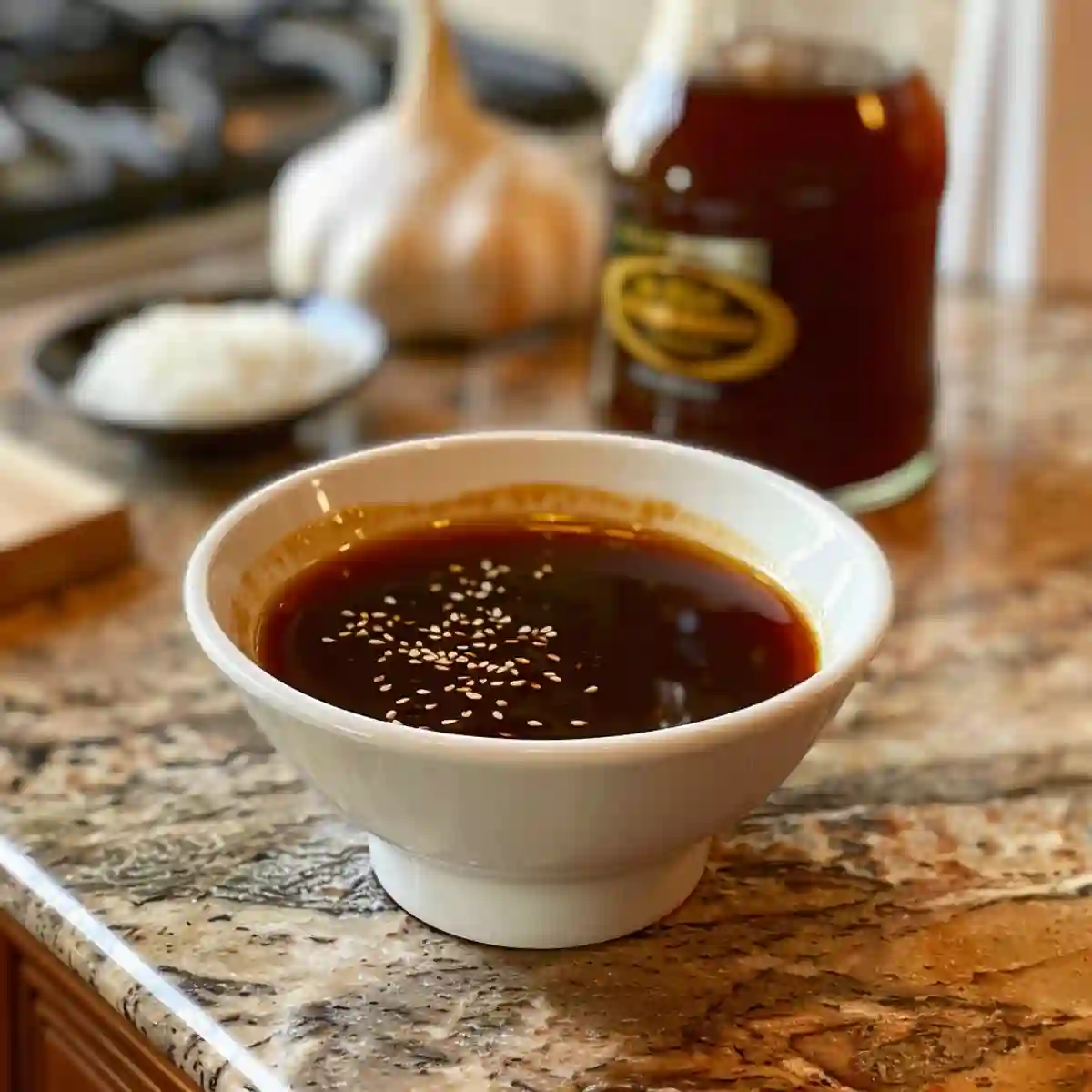

Teriyaki sauce is a staple in kitchens all over the world, known for its distinct blend of sweet, salty, and savory flavors. Whether you’re using it as a marinade for grilled chicken, a glaze for salmon, or a stir-fry sauce for vegetables, it adds a delicious, glossy finish to any dish. But if you’re tracking your macros, especially carbohydrates, a critical question comes up: how many carbs in teriyaki sauce are there, really? The answer isn’t as simple as it seems, as the carb content can vary dramatically depending on the brand, recipe, and even the type of sweetener used.
In this comprehensive guide, we’ll break down the nutritional facts of teriyaki sauce, exploring what makes it a high-carb condiment and how you can find or even create lower-carb alternatives. We’ll look at the key ingredients and provide real data to help you make informed decisions, whether you’re following a keto diet, managing blood sugar, or just aiming to eat more mindfully. This detailed breakdown will help you understand the full picture of the carbs in teriyaki sauce.
What’s in Teriyaki Sauce? A Look at the Core Ingredients
To understand the high concentration of carbs in teriyaki sauce, you first have to look at its fundamental components. A traditional Japanese teriyaki sauce is a simple combination of four ingredients: soy sauce, sake (Japanese rice wine), mirin (sweet rice wine), and sugar. Americanized versions, particularly bottled sauces from the grocery store, often add other ingredients to enhance flavor, color, and thickness. These can include honey, brown sugar, corn starch, garlic, and ginger. Each of these ingredients contributes to the final nutritional profile, and many are significant sources of carbohydrates.
- Soy Sauce: The base of most teriyaki sauces, soy sauce is relatively low in carbs. Its main role is to provide a salty, savory flavor.
- Mirin & Sake: These are two types of Japanese rice wines. While they add depth and a subtle sweetness, they also contain natural sugars from the rice fermentation process, contributing to the total carbs in teriyaki sauce.
- Sugar/Sweeteners: This is the primary source of carbohydrates. American-style teriyaki sauces often use a combination of brown sugar, honey, or high-fructose corn syrup to create a thick, sweet glaze. This is the single biggest factor in the carb count.
- Thickeners: Many bottled teriyaki sauces use corn starch to achieve that thick, syrupy texture. Corn starch is a pure carbohydrate, which also boosts the overall carb count of the sauce.
It’s this combination of natural sugars from mirin and added sugars from honey or corn syrup that drives up the number of carbs in teriyaki sauce, making it a condiment that needs to be consumed with a bit of caution if you’re watching your intake.
How Many Carbs Are in a Standard Teriyaki Sauce?
The amount of carbs in teriyaki sauce can vary from brand to brand, but it’s consistently higher than you might expect. According to data from the USDA and various nutrition databases, a standard ready-to-use teriyaki sauce typically contains anywhere from 3 to 7 grams of carbohydrates per one-tablespoon serving. The majority of these carbs come from sugars. For example, a popular brand like Kikkoman Teriyaki Marinade & Sauce contains about 2 grams of carbs and 1 gram of sugar per tablespoon. However, some other brands can have much higher numbers. For example, some sauces can have as much as 12 grams of sugar per tablespoon, according to research from Nutrition Value. This wide range highlights why it’s so important to check the label, especially if you’re concerned about the amount of carbs in teriyaki sauce.
The Difference Between Carbs and Net Carbs
For those on a ketogenic or low-carb diet, the term “”net carbs”” is crucial. Net carbs are the total carbohydrates minus the dietary fiber and sugar alcohols. Since teriyaki sauce typically has very little to no fiber, the total carbs and net carbs are almost the same. This means that a sauce with 5 grams of total carbohydrates will also have 5 grams of net carbs, which can quickly add up if you’re using more than a tablespoon or two. This is especially important when you’re considering the impact of the carbs in teriyaki sauce on your daily total.
Navigating the Grocery Store: Finding Low-Carb Options
Given the high amount of sugar in many conventional sauces, what’s a person to do if they love the flavor but not the carbs? Luckily, the market has responded to the growing demand for low-carb and keto-friendly products. Many brands now offer a low-carb teriyaki sauce. These sauces replace traditional sugars with sugar substitutes like erythritol or stevia and use thickeners like xanthan gum instead of corn starch. These alternatives can dramatically reduce the number of carbs in teriyaki sauce. For example, a keto-friendly brand like Primal Kitchen offers a no-soy teriyaki sauce that contains only 1 gram of total carbs per serving. This is a game-changer for those who are trying to manage their intake of carbs in teriyaki sauce. A quick web search for “”keto teriyaki sauce”” or “”sugar-free teriyaki sauce”” will yield a wealth of options, both online and in specialty health food stores. These are excellent alternatives to consider, especially when you are worried about the amount of carbs in teriyaki sauce.
Making Your Own Low-Carb Teriyaki Sauce
For the ultimate control over ingredients and carbs, making your own teriyaki sauce at home is the best option. It’s surprisingly simple and allows you to tailor the flavor and nutritional profile to your exact needs. A basic recipe for a low-carb teriyaki sauce often includes a base of soy sauce or tamari (a gluten-free alternative), water, a sugar substitute, minced garlic and ginger, and a small amount of xanthan gum to thicken it. This approach ensures that you know exactly what is going into your sauce, giving you complete control over the amount of carbs in teriyaki sauce. A simple homemade recipe is a great way to enjoy the flavor of teriyaki without the high sugar and carb load. This is a very popular way to manage the carbs in teriyaki sauce. Here is a comparison of a traditional store-bought sauce and a homemade, low-carb version.
| Sauce Type | Carbs per tbsp | Sugar per tbsp | Sodium per tbsp | Key Ingredients |
|---|---|---|---|---|
| Standard Store-Bought | ~5g | ~4g | ~600mg | Soy sauce, sugar, corn starch |
| Low-Carb Store-Bought | ~1g | <1g | ~300mg | Soy sauce, xanthan gum, stevia/monk fruit |
| Homemade Low-Carb | ~1-2g | <1g | Customizable | Soy sauce, water, garlic, ginger, erythritol |
As this table shows, the difference in the number of carbs in teriyaki sauce can be quite significant. Choosing a low-carb alternative or making your own gives you much more freedom to enjoy the sauce without the guilt. This is an important step to take when you are concerned about the amount of carbs in teriyaki sauce.
Beyond Carbs: Other Nutritional Considerations
While this article focuses on the carbs in teriyaki sauce, it’s also important to note other nutritional aspects. Teriyaki sauce is notoriously high in sodium. A single tablespoon can contain over 600mg of sodium, which is a significant percentage of the recommended daily intake. The high sodium content can be a concern for people with high blood pressure or those who are on a low-sodium diet. When you are looking to make your own teriyaki sauce, you can opt for a low-sodium soy sauce to help manage this. The high sodium content is an equally important part of the nutritional profile of teriyaki sauce. In addition, some sauces may contain small amounts of protein and other minerals, but they are not a significant source of any essential nutrients. The primary nutritional concern with teriyaki sauce, aside from the carbs in teriyaki sauce, is the sodium. Always check the label and compare brands to find the one that best suits your dietary needs. This is especially true when it comes to the carbs in teriyaki sauce.
FAQ: Answering Your Top Questions about Teriyaki Sauce
Is teriyaki sauce keto-friendly?
Standard teriyaki sauce is not keto-friendly due to its high sugar and carbohydrate content. However, many brands now make low-carb, keto-friendly versions that use sugar substitutes and are suitable for a ketogenic diet. You can also easily make your own keto-friendly teriyaki sauce at home. For those on a keto diet, the number of carbs in teriyaki sauce is a major concern, so a low-carb alternative is a must.
Can I use teriyaki sauce if I have diabetes?
Because of its high sugar content, traditional teriyaki sauce is not recommended for people with diabetes, as it can cause a spike in blood sugar. However, low-sugar or sugar-free alternatives are a great option. Consulting with a healthcare professional or registered dietitian is always recommended for personalized dietary advice. The carbs in teriyaki sauce should be a major consideration if you have diabetes.
Is homemade teriyaki sauce lower in carbs?
Yes, homemade teriyaki sauce can be significantly lower in carbs, depending on the recipe. By using a sugar substitute like erythritol or monk fruit sweetener and a low-carb thickener like xanthan gum, you can control the carb content to your liking. This is the best way to manage the amount of carbs in teriyaki sauce.
In conclusion, while traditional teriyaki sauce is a delicious condiment, the high concentration of carbs in teriyaki sauce and sodium means it should be used in moderation. For those who are watching their carb intake, there are plenty of excellent low-carb options available, both from commercial brands and through simple homemade recipes. By being an informed consumer and making smart choices, you can continue to enjoy the fantastic flavor of teriyaki without compromising your health goals. This expert breakdown of the carbs in teriyaki sauce gives you the tools to make those decisions.

I’m Sandy – sharing simple tips, plans, and motivation to help you stay in a calorie deficit Plan and reach your fitness goals.
