
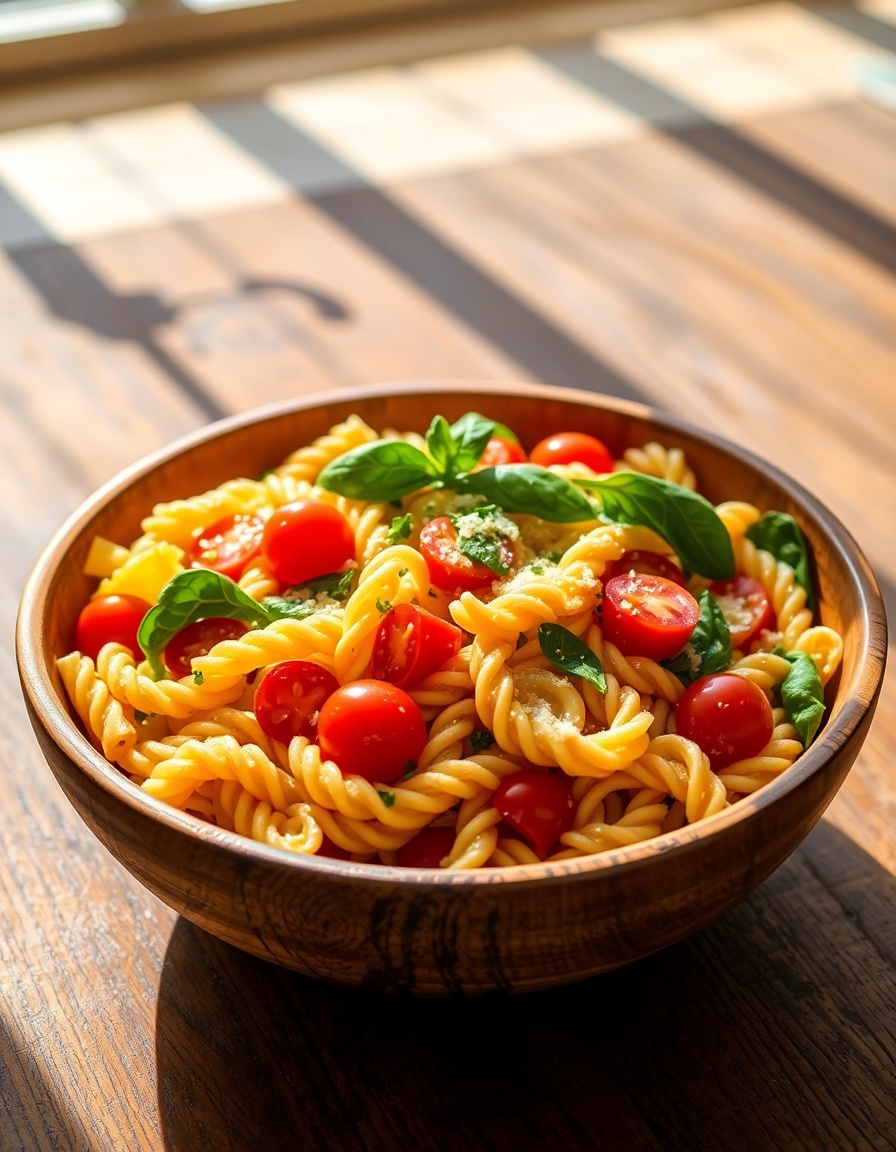

Pasta salad is a popular dish at picnics, potlucks, and family gatherings. It’s tasty, refreshing, and can be packed with veggies, cheese, and dressings. But if you’re watching your diet or trying to eat healthier, you might wonder: are the calories in pasta salad something to worry about? Is it a healthy choice or a sneaky calorie bomb? The answer isn’t a simple yes or no – it depends on how the pasta salad is made and what ingredients go into it.
What Are the Calories in Pasta Salad?
The calorie content in pasta salad varies widely. At its core, pasta salad includes cooked pasta, which is a carbohydrate-rich food, mixed with various other ingredients like vegetables, dressings, cheeses, and sometimes meats or nuts. Each of these components adds calories.
On average, a one-cup serving of plain pasta contains about 200 calories. When you add a typical dressing, some cheese, or olives, the calories can easily climb. A creamy mayo-based dressing or lots of cheese will boost the calorie count more than just a light vinaigrette. Understanding what ingredients are used is key to figuring out if your pasta salad is light or heavy on calories.
Typical Ingredients and Their Calorie Impact
| Ingredient | Calories per 1/4 cup (approx.) |
|---|---|
| Cooked Pasta | 50 |
| Mayonnaise | 180 |
| Olive Oil | 120 |
| Cheese (Feta or Cheddar) | 100 |
| Vegetables (Cucumber, Tomato, Peppers) | 10-15 |
As you can see, ingredients like mayo and oil pack a lot of calories in a small amount, while veggies are mostly low-calorie add-ons.
Is Pasta Salad a Healthy Choice?
Pasta salad can be both healthy and satisfying if made thoughtfully. If you focus on fresh vegetables, use whole grain pasta, and opt for lighter dressings, you’ll have a dish that’s nourishing and energy-boosting. On the flip side, if the salad is loaded with heavy creamy dressings, lots of cheese, and processed meats, you might be eating a salad that’s more calorie-dense than you expect.
Tips to Make a Healthier Pasta Salad
- Pick whole grain pasta: It has more fiber and nutrients than white pasta, keeping you full longer.
- Load up on veggies: Cucumbers, cherry tomatoes, bell peppers, and spinach add flavor and fiber with few calories.
- Use a light dressing: Try a lemon juice and olive oil vinaigrette or Greek yogurt-based dressing instead of mayonnaise.
- Add lean protein: Grilled chicken or beans can make the salad more balanced and filling.
- Watch the cheese: Use small amounts of strong-flavored cheese like feta or Parmesan for taste without overdoing calories.
Calories in Pasta Salad: Comparing Popular Recipes
Let’s compare three common pasta salad versions to see how calories differ.
| Recipe Type | Calories per Cup | Main Ingredients |
|---|---|---|
| Classic Mayo-Based | 350-400 | Pasta, mayonnaise, cheese, olives, some veggies |
| Vinaigrette & Veggies | 180-220 | Whole grain pasta, olive oil & vinegar dressing, mixed veggies |
| Greek-Style | 250-300 | Pasta, feta cheese, cucumbers, tomatoes, olive oil dressing |
Clearly, a pasta salad with mayo comes with far higher calories than a vinaigrette-based one. Depending on your goals, it’s better to choose recipes on the lighter side, especially if pasta salad is a regular part of your diet.
How to Manage Portions and Calories When Eating Pasta Salad
Even a healthier pasta salad can add up in calories if you eat large servings. Portion control is the secret sauce here. Try to limit yourself to about half to one cup per serving, and balance it out with a side of lean protein and greens.
Also, keep in mind that pasta is filling, but it contains mostly carbohydrates. If you’re trying to lose weight or maintain a calorie deficit, pairing pasta salad with some form of exercise and calorie management is helpful. For example, if stubborn belly fat is your concern, combining sensible eating with the best cardio to lose belly fat can boost your results.
Common Misconceptions About Pasta Salad Calories
Some people think pasta salad is automatically unhealthy or fattening. This is not true! It depends entirely on the recipe and portion size. A huge scoop of pasta salad with creamy dressing can make you overdo calories quickly, but a simple salad with fresh veggies and a light dressing can be a nutritious meal.
Another myth is that all carbs are bad. In reality, carbs are the body’s main fuel source, and whole grain pasta provides steady energy. Those “bad” carbs are usually found in highly processed foods and sugary snacks.
Quick Tips for Enjoying Pasta Salad Without Guilt
- Make pasta salad at home so you control the ingredients.
- Replace half the pasta with spiralized veggies to reduce overall calories.
- Use herbs and spices for flavor instead of extra cheese or dressing.
- Keep an eye on serving size — sometimes, less is more.
- Balance your meal with protein and fiber to feel satisfied longer.
Conclusion
Pasta salad isn’t inherently a calorie bomb or a health hazard. The calories in pasta salad depend mostly on what ingredients you pick and how much you eat. By choosing whole grain pasta, light dressings, plenty of veggies, and controlled portions, you can enjoy a tasty and nutritious dish that fits well into a balanced diet. Like any food, moderation is key.
So, next time you’re serving or enjoying pasta salad, think about making some simple swaps that lighten up the calories but keep the flavor. Your taste buds and your waistline will thank you!

I’m Sandy – sharing simple tips, plans, and motivation to help you stay in a calorie deficit Plan and reach your fitness goals.
