
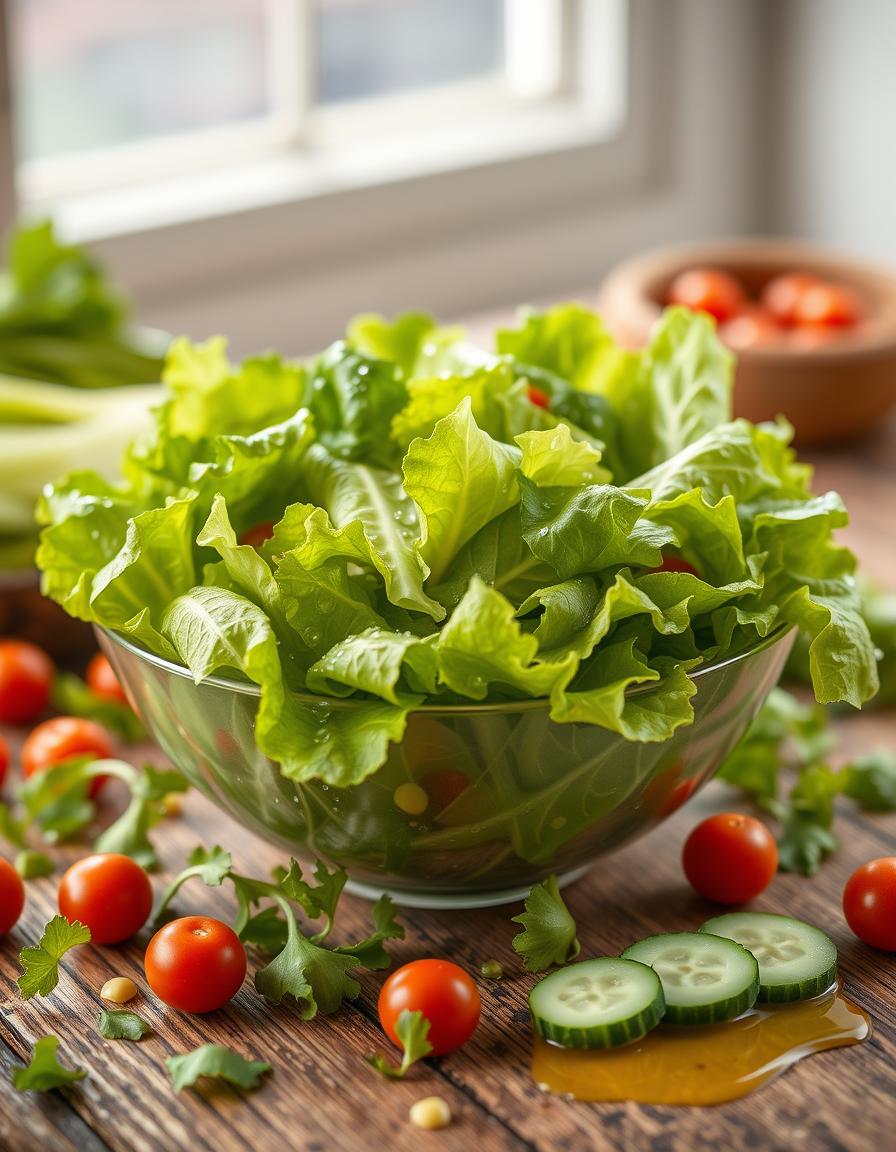

Lettuce is a staple in many salads and sandwiches, loved for its crisp texture and fresh taste. But have you ever paused to wonder about the calories packed in your leafy greens? Understanding the calories in one cup of lettuce can help you make smarter choices when counting calories or planning meals. Despite being incredibly low in calories, lettuce offers more than just crunch—it contributes vitamins, minerals, and hydration. Let’s take a closer look at what you’re actually getting when you pile your plate with a cup of lettuce.
How Many Calories Are in One Cup of Lettuce?
The calorie content of lettuce depends on its variety and how it’s prepared. On average, 1 cup lettuce calories are very low, making it an excellent food for weight management or anyone aiming for a light snack. Here’s a quick look at the calories in different common lettuce types per 1 cup (shredded):
| Lettuce Type | Calories (per 1 cup) |
|---|---|
| Iceberg | 10 |
| Romaine | 8 |
| Butterhead (Boston/Bibb) | 7 |
| Red Leaf | 5 |
| Green Leaf | 5 |
Notice how all varieties are incredibly low in calories, with just a handful enough to fill you up without adding much to your daily calorie budget. This makes lettuce a unique food that can bulk up meals, helping you feel full on fewer calories.
Why Is Lettuce So Low in Calories?
It’s mostly water! Lettuce is roughly 95% water, which means that most of what you’re eating is pure hydration. This high water content means fewer calories, since water has none. Plus, lettuce has very little fat and protein, the two macronutrients that pack more calories. Instead, lettuce is mainly fiber and a tiny bit of carbohydrates.
The volume and crunch lettuce provides help trick your brain into feeling satisfied, which is why it’s perfect for salads or as a sandwich topper. You get a lot for very few calories—a win-win situation if you ask me.
Calories Versus Nutritional Benefits
While you might focus on the calorie count, lettuce offers vitamins and minerals that support health. These include vitamin K, vitamin A, folate, and small amounts of vitamin C. Though not a heavy hitter in any one category, lettuce adds valuable nutrients without piling on the calories.
- Vitamin K: Important for bone health and blood clotting.
- Vitamin A: Supports eye health and immune function.
- Folate: Essential for DNA synthesis and cell growth.
- Fiber: Supports digestion and keeps you feeling full.
So, even though 1 cup lettuce calories are minimal, the benefits it offers go beyond just numbers on a calorie chart.
How Serving Size Affects Calorie Counting
When measuring lettuce, the way you prepare and pack it into a cup matters. For example, shredded lettuce packs more densely than whole leaves, so you might get more lettuce (and thus slightly more calories) in a shredded cup. But the difference is usually minor.
It’s also worth noting that cooking lettuce, like in stir-fries or soups, will change its volume and sometimes its calorie count, especially if you add oils or sauces. That’s a good reminder to think about what goes with your lettuce, not just the lettuce itself.
Comparing Lettuce to Other Salad Greens
Although lettuce is very low in calories, other greens you might find in salads have slightly different values. Here’s a quick comparison:
| Green | Calories (per 1 cup) |
|---|---|
| Spinach (raw) | 7 |
| Kale (raw) | 33 |
| Arugula | 5 |
| Cabbage (raw) | 22 |
Lettuce holds the title for some of the lowest calories among leafy greens. So if your goal is to keep calorie intake to a minimum, sticking with lettuce or arugula is a savvy choice.
Tips for Including Lettuce in a Healthy Diet
Lettuce can be a bit bland on its own, so let’s talk about boosting flavor and nutrition while keeping calories in check.
- Add fresh herbs like basil or cilantro for a burst of flavor without extra calories.
- Use lemon juice or vinegar instead of creamy dressings to keep the calorie count low.
- Mix different types of lettuce to enjoy variety in taste and texture.
And if you ever want a relaxing weekend cooking project, here’s a quirky tip: while on the topic of cooking, if you’re curious about Mexican cuisine, you might want to check out how to cook tamales in the oven. It’s a straightforward method to whip up a unique and delicious dish at home!
Common Misconceptions About Lettuce Calories
Some folks think that since lettuce is healthy and low-calorie, they can pile on unlimited amounts without any consequence. While lettuce itself is low in calories, the toppings and dressings often used can quickly add up. A salad dripping in creamy dressing or loaded with cheese and croutons can be calorie bombs in disguise.
So, remember: it’s important to watch what joins your lettuce on the plate. Focus on whole, fresh ingredients and keep an eye on added fats and sugars to truly benefit from the low-calorie nature of lettuce.
Fun Facts About Lettuce
- Lettuce was first cultivated over 4,000 years ago in ancient Egypt as a food and medicine.
- The word “lettuce” comes from the Latin “lactuca,” meaning “milk,” because of the milky sap in the stem.
- Iceberg lettuce was once prized for its crispness and ability to be shipped long distances without wilting.
Who knew such a humble leaf had so much history and character?
Conclusion
Understanding 1 cup lettuce calories reveals why lettuce can be your best friend in a healthy eating plan. Its ultra-low calorie count combined with water and fiber makes it an excellent choice for feeling full without piling on calories. Whether you choose iceberg, romaine, or butterhead, you’re getting freshness, crunch, and hydration all in one shot.
Just keep in mind what you add to that lettuce—dressings, toppings, and cooking methods can change the picture dramatically. Stick to whole foods and light seasonings, and lettuce will continue to shine as a nutritious, low-calorie superstar on your plate.
So next time you fill your bowl or sandwich with lettuce, remember: it’s not just a filler. It’s a clever way to enjoy flavor, texture, and essential nutrients while keeping your calorie intake in check.

I’m Sandy – sharing simple tips, plans, and motivation to help you stay in a calorie deficit Plan and reach your fitness goals.
