
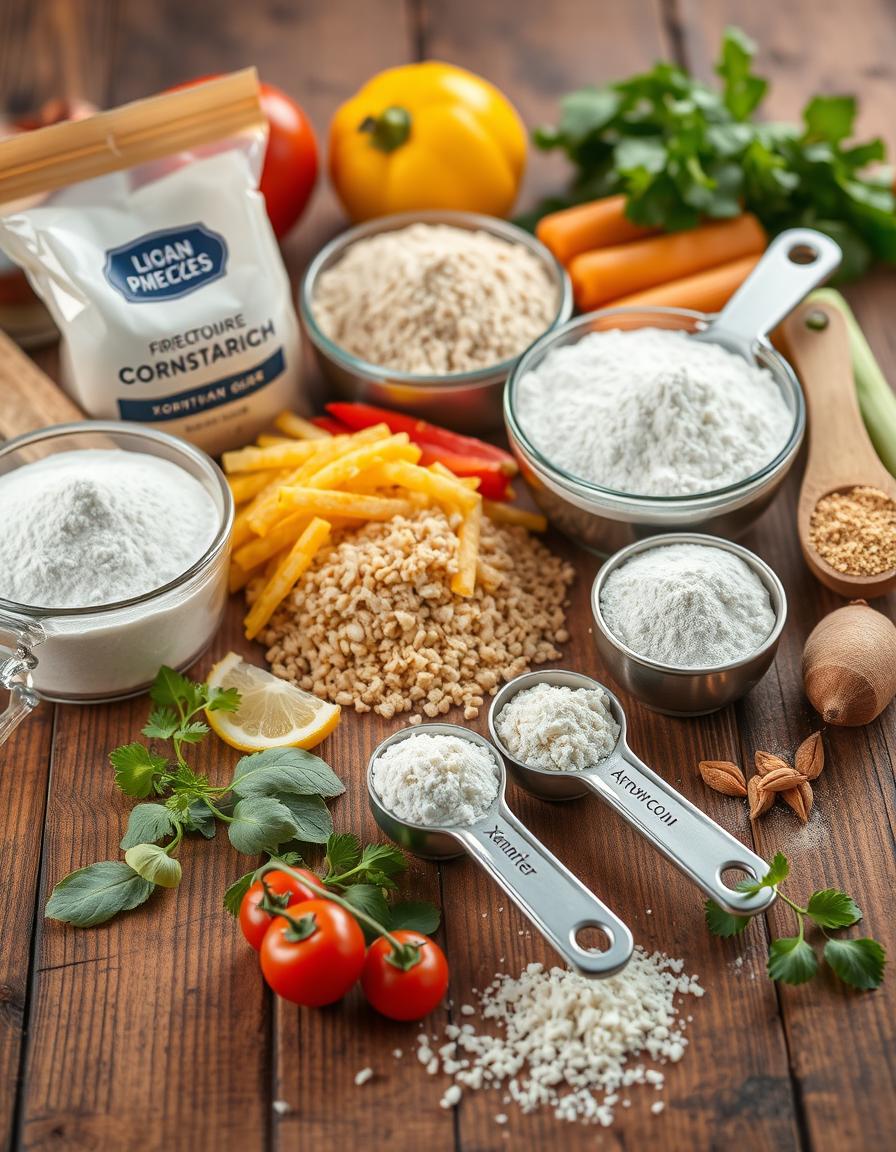

Cooking without gluten can feel like learning a new language, especially when it comes to thickening sauces, soups, and gravies. Many traditional thickeners like wheat flour are off the table, so finding the right gluten free thickener is crucial. The good news is that there are plenty of options that can help you get that perfect creamy texture without worrying about gluten sneaking into your meals. Let’s explore some popular gluten free thickener choices that can make your dishes shine.
Understanding Gluten Free Thickeners
A thickener’s job is straightforward: it makes liquids thicker and creamier, improving texture and mouthfeel. But not every thickener works the same way, and depending on what you’re cooking, you might prefer one over another. Gluten free thickeners come from different sources, including starches, gums, and flours made from gluten-free grains. Each has its unique characteristics, so knowing what they do helps you pick the best one for your dish.
Why Avoid Gluten?
Gluten is a protein found in wheat, barley, and rye. For people with celiac disease or gluten sensitivity, consuming gluten can lead to digestive problems and other health issues. Even if you’re not sensitive, gluten free cooking can offer lighter textures and new flavors. Using a proper gluten free thickener lets you enjoy dishes safely and deliciously.
Popular Gluten Free Thickener Options
1. Cornstarch
Cornstarch is probably the most common gluten free thickener found in kitchens. It’s derived from corn and works well for thickening clear sauces, puddings, and gravies. Cornstarch thickens when heated and needs just a short cooking time to reach its full potential. It produces a smooth, shiny finish but can break down if cooked too long.
- Best for: Sauces, soups, gravies, and pie fillings
- Texture: Smooth and glossy
- Note: Mix it with cold water before adding to hot liquids to avoid lumps
2. Arrowroot Powder
Arrowroot powder is a starch extracted from tropical plants. It’s an excellent thickener that works well in acidic liquids and remains clear after cooking. Arrowroot creates a lighter, more delicate texture compared to cornstarch. Plus, it’s great for freezing as it doesn’t turn gummy.
- Best for: Acidic sauces like lemon or vinegar-based dishes
- Texture: Silky and light
- Note: Avoid boiling vigorously once thickened
3. Tapioca Starch (or Flour)
Tapioca starch comes from the cassava root and is prized for adding chewiness and shine to dishes. It’s fantastic in gluten free baking and also thickens liquids beautifully. Tapioca holds up well when frozen and reheated, making it popular for casseroles and desserts.
- Best for: Baking, sauces, and pie fillings
- Texture: Smooth, slightly chewy
- Note: Use in small amounts to avoid a gummy texture
4. Rice Flour
Rice flour is a staple gluten free flour that can double as a thickener. While it doesn’t create the silky texture of starches, it works well for gravies and soups, providing a mild flavor. Brown rice flour adds a touch of nuttiness, which can be a nice twist.
- Best for: Soups, stews, and baking
- Texture: Slightly grainy if not cooked long enough
- Note: Needs a longer cooking time to remove raw taste
5. Guar Gum
Guar gum is a fiber extracted from guar beans, popular in gluten free and low-carb cooking. It’s a powerful thickener and stabilizer, often used in tiny amounts. Guar gum thickens quickly in cold or hot liquids and helps improve texture in gluten free breads and sauces.
- Best for: Sauces, dressings, and gluten free baking
- Texture: Smooth, gel-like
- Note: Use sparingly—too much can make dishes slimy
6. Xanthan Gum
Xanthan gum is a popular thickening and stabilizing agent in gluten free cooking. It’s made by fermenting sugars with bacteria and is great for improving viscosity. Like guar gum, xanthan gum requires only a small amount and works well in sauces, soups, and baked goods.
- Best for: Gluten free breads, sauces, and salad dressings
- Texture: Smooth and elastic
- Note: Start with very small amounts to avoid gummy textures
How to Choose the Right Gluten Free Thickener
Choosing the perfect gluten free thickener depends on the dish and the texture you’re aiming for. Starches like cornstarch and arrowroot are great for quick-thickening and clearer sauces. Gums like xanthan and guar excel in baking and giving structure to gluten free breads. If you want a natural, whole-food ingredient, rice flour or tapioca starch might be your go-to.
Here is a quick comparison table to help:
| Thickener | Source | Best Use | Texture | Notes |
|---|---|---|---|---|
| Cornstarch | Corn | Sauces, gravies | Glossy, smooth | Mix with cold water to avoid lumps |
| Arrowroot Powder | Tropical plants | Acidic sauces | Silky, light | Don’t boil vigorously after thickening |
| Tapioca Starch | Cassava root | Baking, sauces | Smooth, slightly chewy | Use small amounts to prevent gumminess |
| Rice Flour | Rice grain | Soups, stews | Slightly grainy if undercooked | Needs longer cooking time |
| Guar Gum | Guar beans | Dressings, baking | Gel-like | Use sparingly to avoid sliminess |
| Xanthan Gum | Fermented sugar | Breads, sauces | Smooth, elastic | Use tiny amounts |
Tips for Using Gluten Free Thickeners
- Always mix starch-based thickeners with cold water first to avoid clumps when added to hot liquids.
- Heat gently and don’t overcook; some starches break down if boiled too long.
- Start with less than you think you need—you can always add more.
- For baking, gums like xanthan and guar improve texture but too much can give a gummy feel.
- Experiment with combinations: mixing rice flour with tapioca starch can give a nice balance.
For those curious about cheese pairings in gluten free dishes or just wanting some nutritional info, don’t forget to check out the pepper jack cheese nutrition facts. Knowing your ingredients inside out always helps in making better meals!
Conclusion
Finding the right gluten free thickener can make a huge difference in your cooking. Whether you want a quick sauce thickened with cornstarch or a gluten free bread improved with xanthan gum, each option offers something special. Don’t be afraid to try different thickeners and see how they change the texture and taste of your dishes. With a little practice, you’ll find your favorites and create meals that everyone will love, gluten or not!

I’m Sandy – sharing simple tips, plans, and motivation to help you stay in a calorie deficit Plan and reach your fitness goals.
