
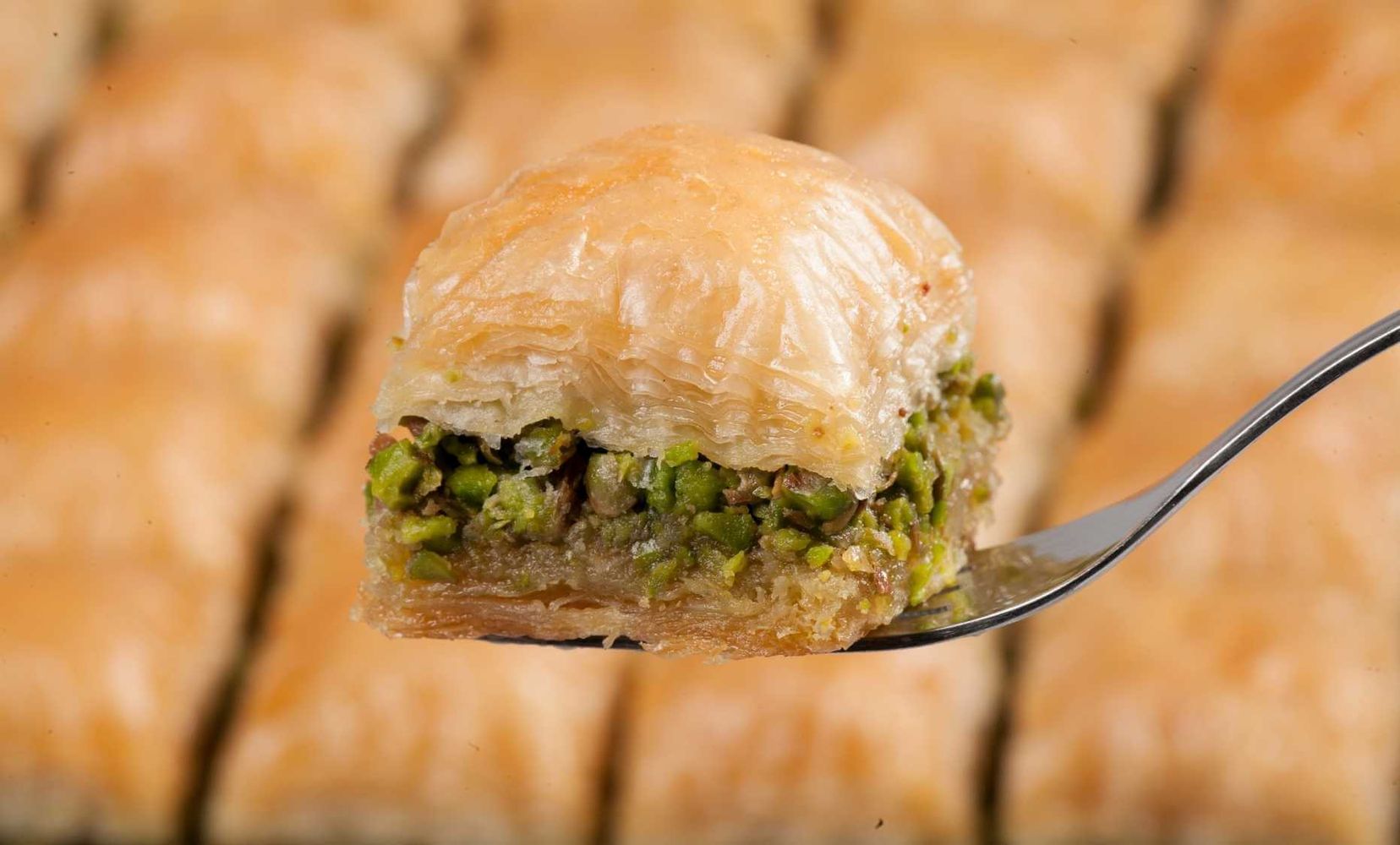

Have you ever found yourself mesmerized by a glistening, layered square of baklava, wondering how something so delicious fits into your diet? You’re not alone. This sweet, flaky pastry, a treasure of Mediterranean and Middle Eastern cuisines, is a symphony of phyllo dough, nuts, and sweet syrup. But with every delightful, crunchy bite comes a question: what’s the deal with the calories baklava square? Understanding the nutritional makeup of this decadent treat can help you savor it without any guilt. Let’s dive deep and break down exactly what you’re consuming when you enjoy this golden, honey soaked dessert.
What Exactly Is Baklava? A Quick Look at the Golden Pastry
Before we count calories, let’s appreciate the artistry. Baklava is made from paper thin layers of unleavened flour dough called phyllo (or filo). These delicate sheets are brushed with butter or oil and stacked, with a generous filling of chopped nuts most commonly walnuts, pistachios, or almonds tucked between them. After baking to a perfect golden brown crisp, a sweet syrup made from sugar, water, and often honey, lemon juice, or rosewater is poured over the hot pastry. The baklava is left to cool, allowing the syrup to soak into every layer, creating a treat that is simultaneously crispy, chewy, and irresistibly sweet. The size and shape can vary, but the classic square is a popular and convenient serving.
The specific ingredients and preparation methods can differ from region to region. Greek baklava often features walnuts and a honey cinnamon syrup. Turkish baklava, famous worldwide, frequently uses pistachios and a simple sugar syrup. These variations are not just about taste, they also significantly impact the final nutritional profile, especially the total calories baklava square.
The Big Question: How Many Calories in a Baklava Square?
Getting a single, definitive number for the calories baklava square is tricky because “a square” isn’t a standard unit of measurement. A small, 2 inch square from one bakery might be vastly different from a larger, thicker piece from another. However, we can establish a reliable range based on typical recipes and serving sizes.
On average, a medium sized baklava square weighing around 50 60 grams (about 2 ounces) can contain anywhere from 250 to 400 calories. This is a significant number for a small treat, and it’s important to understand where those calories come from. Let’s look at a typical nutritional breakdown for one such piece.
A Closer Look: Nutritional Breakdown of a Typical Baklava Square
The high calorie count is primarily due to its three main components: phyllo dough (and the butter used to layer it), nuts, and the sugar syrup. Each ingredient brings a lot of energy to the party. Here is a sample breakdown for a 55g baklava square, which helps clarify the calories baklava square mystery.
Nutritional Information for a Typical Baklava Square (~55g)
| Nutrient | Approximate Amount |
|---|---|
| Calories | 320 kcal |
| Total Fat | 20g |
| Saturated Fat | 6g |
| Carbohydrates | 30g |
| Sugars | 18g |
| Protein | 5g |
| Sodium | 110mg |
As you can see, fat and carbohydrates are the main contributors to the high calories baklava square count. Let’s explore why each component packs such a punch.
Factors That Influence Baklava Square Calories
Not all baklava is created equal. The final calorie count can swing wildly based on several key factors. If you’re trying to estimate the calories baklava square you’re about to eat, consider these variables.
1. Size and Thickness
This is the most obvious factor. A larger, thicker square with more layers of phyllo and nuts will naturally have more calories than a smaller, thinner piece. A piece from a commercial bakery might be cut into a 2×2 inch square, while a homemade version could be a more generous 3×3 inch portion. This size difference alone can add 100 150 calories.
2. Type and Amount of Nuts
The choice of nuts plays a significant role. While all nuts are calorie dense, their nutritional profiles differ slightly.
- Walnuts: A popular choice, walnuts are rich in omega 3 fatty acids. A quarter cup (about 29g) has around 190 calories and 20g of fat.
- Pistachios: Known for their vibrant green color, pistachios are slightly lower in calories. A quarter cup has about 170 calories and 14g of fat.
- Almonds: Almonds are another common filling, providing about 170 calories and 15g of fat per quarter cup.
The more nuts packed into the layers, the higher the calories baklava square will be. Nuts are healthy, providing good fats, protein, and fiber, but they are also high in energy.
3. Butter vs. Oil
The layers of phyllo dough must be separated by a fat to become flaky and crisp. Traditionally, clarified butter (ghee) is used, which lends a rich, nutty flavor. Some modern or regional recipes might substitute it with oil, like vegetable or olive oil. Both butter and oil are pure fat, containing about 100 120 calories per tablespoon. The amount of fat brushed between each of the 20 40 layers adds up quickly, making it a primary source of the total calories baklava square.
4. The Sweet Syrup
Ah, the syrup. This is what transforms the crispy pastry into a moist, decadent dessert. The composition of this syrup is a major calorie driver.
- Sugar Based Syrup: A simple syrup of sugar and water is pure carbohydrate. The more syrup the pastry soaks up, the higher the sugar content and calorie count.
- Honey Based Syrup: Honey is often used for its distinct flavor. While it contains some trace minerals, it’s slightly more calorie dense than table sugar per tablespoon. A recipe heavy on honey can increase the calories baklava square.
Some recipes use a lighter syrup, while others call for drenching the pastry until it’s completely saturated. The degree of saturation makes a huge difference.
How Do Baklava Calories Compare to Other Desserts?
To put the calories baklava square into perspective, let’s compare it to some other popular desserts. This can help you make an informed choice when a sweet craving strikes.
Dessert Calorie Comparison
| Dessert Item | Typical Serving Size | Approximate Calorie Range |
|---|---|---|
| Baklava Square | 1 square (~55g) | 250 400 kcal |
| Chocolate Chip Cookie | 1 large cookie (~45g) | 200 250 kcal |
| Brownie with Nuts | 1 square (~60g) | 250 350 kcal |
| Slice of Cheesecake | 1 slice (~120g) | 350 500 kcal |
| Glazed Doughnut | 1 medium doughnut (~75g) | 250 350 kcal |
| Scoop of Vanilla Ice Cream | 1/2 cup (~65g) | 140 200 kcal |
As the table shows, a single square of baklava holds its own in the calorie department, often being comparable to a brownie or a doughnut. While it contains healthier fats from the nuts compared to the saturated fats in many other baked goods, the total calories baklava square still warrant moderation.
Tips for Enjoying Baklava in a Healthy Way
Knowing the high calories baklava square doesn’t mean you have to banish it from your life. It’s a celebratory food, rich in culture and flavor. The key is mindful indulgence. Here are some strategies to enjoy it without derailing your health goals.
- Mind Your Portions: This is the most effective strategy. Stick to one small square. Savor it slowly, paying attention to the textures and flavors. This makes the experience more satisfying.
- Share with a Friend: If the serving size is large, split it! Sharing dessert is a great way to cut the calories in half while still enjoying the treat.
- Time it Right: Enjoy your baklava as a planned treat rather than a mindless snack. Having it after a light meal or before physical activity can be a better approach than eating it late at night.
- Look for “Lighter” Versions: Some bakeries or recipes offer versions with less syrup or a higher nut to phyllo ratio. While the calories baklava square may not be drastically lower, every little bit helps.
- Try Making It at Home: When you bake it yourself, you have complete control. You can reduce the amount of butter and sugar syrup, and load it up with nutritious nuts. This can significantly lower the final calories baklava square. You can even experiment with natural sweeteners in the syrup.
Frequently Asked Questions (FAQ)
When researching the calories baklava square, many common questions pop up. Here are answers to some of the most frequent ones.
Is baklava healthy?
Baklava is a mixed bag. On one hand, it contains nuts, which are a great source of healthy unsaturated fats, protein, fiber, and micronutrients. On the other hand, it’s very high in sugar and saturated fat from butter. It’s best considered an indulgent dessert to be eaten in moderation, not a health food. The high count of calories baklava square makes it energy dense.
How many calories are in a pistachio baklava square?
A pistachio baklava square’s calories are generally in the same range as a walnut version, typically between 250 and 380 calories. Pistachios are slightly lower in calories and fat than walnuts, so a piece made exclusively with them might be on the lower end of that range, assuming all other factors (size, syrup) are equal.
How many calories are in a walnut baklava square?
A walnut based calories baklava square tends to be on the higher end of the spectrum, often falling between 300 and 400 calories for a medium piece. This is because walnuts are one of the most calorie dense nuts used in this pastry.
Can I eat baklava on a diet?
Yes, you can. No food needs to be completely off limits, even on a weight loss diet. The key is portion control and budgeting for the calories. If you plan to have a square of baklava, you might opt for a lighter lunch or dinner to stay within your daily calorie target. Knowing the approximate calories baklava square helps you plan effectively.
How is homemade baklava different from store bought?
Store bought baklava, especially from large scale producers, often uses more sugar syrup to act as a preservative and appeal to a wider palate. This can drive the calories baklava square up. Homemade versions can be customized to be less sweet and use higher quality ingredients, giving you more control over the nutritional content.
Conclusion
Baklava is a truly special dessert, steeped in history and flavor. While it’s undeniably delicious, it’s also a very energy dense treat. The average calories baklava square can range from 250 to 400, depending heavily on its size, the type and quantity of nuts, the amount of butter used, and how much syrup it has absorbed. The primary contributors to this high calorie count are fats and sugars. By understanding this nutritional breakdown, you can appreciate baklava for what it is a rich, decadent pastry perfect for special occasions. With mindful portion control and an awareness of its ingredients, you can absolutely make room for this golden, nutty delight in a balanced diet.

I’m Sandy – sharing simple tips, plans, and motivation to help you stay in a calorie deficit Plan and reach your fitness goals.
