
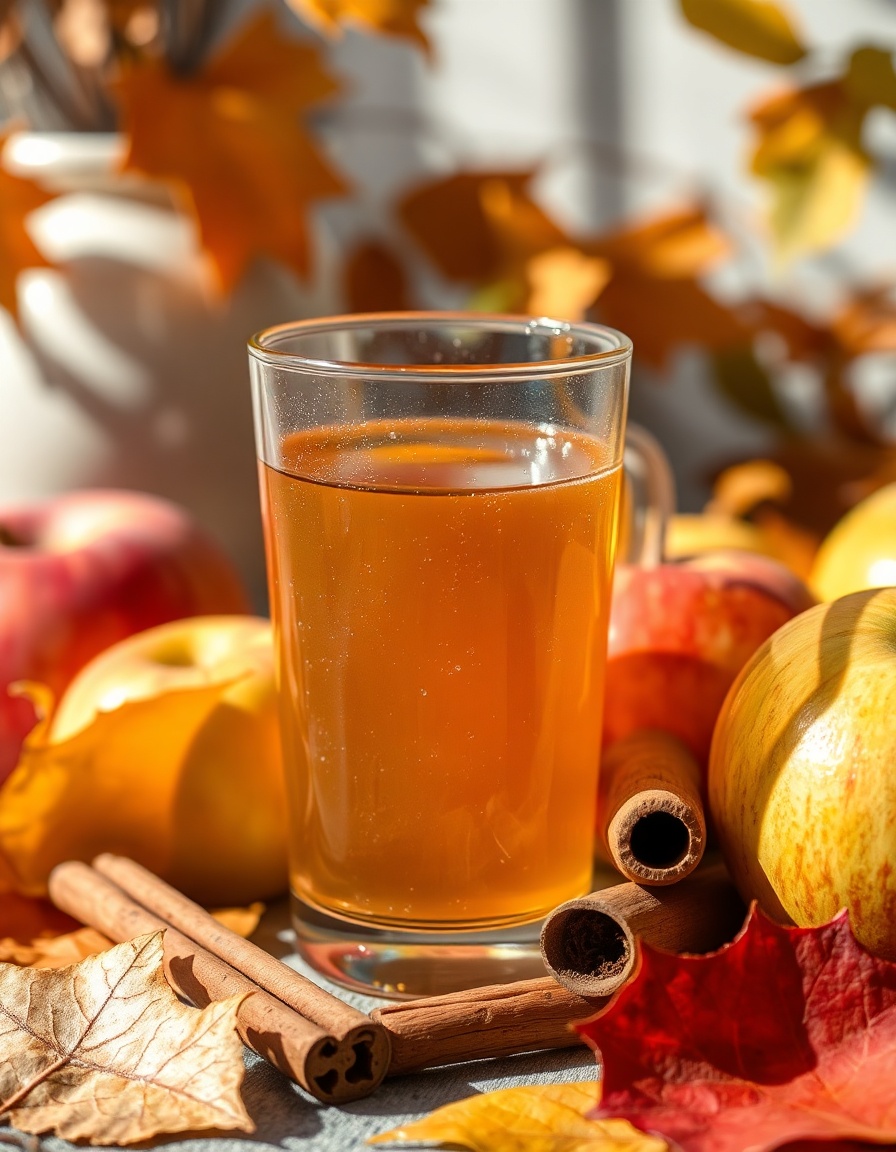

Apple cider has a warm, tangy charm that feels like autumn wrapped in a glass. Whether enjoyed hot or cold, this popular drink can be a comforting addition to your diet. But if you’re watching your calorie intake or curious about its health effects, understanding apple cider calories and nutritional details is a smart move. Let’s take a closer look at what’s inside your cup of apple cider and what it means for your health.
What Exactly Is Apple Cider?
Apple cider is the juice extracted from fresh apples. Unlike clear apple juice, cider tends to be cloudier and less processed, often with bits of apple pulp. In many places, apple cider and apple juice are used interchangeably, but true cider usually means it’s fresh-pressed and unfiltered. Some versions can be sweetened or spiced, creating a variety of flavor profiles.
Because it’s made directly from apples, apple cider contains vitamins and antioxidants naturally found in the fruit. However, added sugars and processing methods can impact the calorie content and health benefits.
Counting Apple Cider Calories
When you check a nutrition label or recipe for apple cider calories, you’ll likely see numbers similar to apple juice. On average, an 8-ounce (240 ml) glass of unsweetened apple cider contains around 120 calories. This number can shift depending on whether the cider is sweetened, diluted, or spiced.
| Type of Apple Cider | Calories per 8 oz (240 ml) | Main Contributors to Calories |
|---|---|---|
| Unsweetened Fresh Apple Cider | 110-120 | Natural fruit sugars (fructose, glucose) |
| Sweetened Apple Cider | 130-160 | Added sugars, natural sugars |
| Spiced Apple Cider (with sugar) | 140-180+ | Added sugars, spices |
Keep in mind that some commercially available apple ciders may have added sugars to boost flavor, increasing the calorie count significantly. When keeping an eye on calories, opting for unsweetened versions is your best bet.
What’s Inside Your Apple Cider Besides Calories?
Apple cider contains natural sugars, which give it that sweet and tangy taste. These sugars contribute to the calorie count, but cider also provides small amounts of vitamins and minerals. Here’s a quick snapshot of what you can expect in an 8-ounce serving of unsweetened apple cider:
- Vitamin C: About 8% of the daily recommended value.
- Potassium: Around 130-150 mg, which helps with muscle and nerve function.
- Antioxidants: Compounds like polyphenols that may help fight free radicals.
- Fiber: Minimal, since most fiber is removed during juicing.
While apple cider isn’t a powerhouse of vitamins, those antioxidants can provide a bit of a health boost. However, it’s important to balance enjoyment with moderation, especially if you want to keep apple cider calories in check.
Health Benefits of Apple Cider
Antioxidant Power
Apples naturally contain antioxidants, and when juiced into cider, some of these helpful compounds remain. Antioxidants help your body fight oxidative stress, which is linked to aging and many diseases. Drinking apple cider can give you a small dose of these beneficial compounds.
Hydration With a Twist
Apple cider has a high water content, making it a tasty way to stay hydrated. It’s often a popular alternative to plain water when you want a flavorful drink without caffeine or carbonation.
Potential Blood Sugar Effects
Unlike apple cider vinegar, which is famous for its potential to help regulate blood sugar, apple cider itself contains natural sugars that can raise blood sugar levels. This means people with diabetes or blood sugar concerns should monitor their intake and prefer unsweetened varieties.
Watch Out for Added Sugars
Many apple cider products on the market include added sweeteners to make them extra tasty. These additives bump up the calorie count and can tip you over your daily sugar limit without you realizing it. The American Heart Association recommends limiting added sugar to about 25 grams (6 teaspoons) a day for women and 36 grams (9 teaspoons) for men.
Here’s a quick list to spot added sugars in ingredients:
- High-fructose corn syrup
- Sucrose
- Glucose
- Corn syrup
- Fruit juice concentrates (when used as sweeteners)
Choosing fresh-pressed or organic apple cider without added sugars ensures you enjoy the true flavor and keep apple cider calories at a more manageable level.
Apple Cider vs. Apple Juice: What’s the Difference?
People often confuse apple cider and apple juice, but the two have subtle differences that can affect calories and nutrients. Apple cider is typically less processed and cloudier due to natural apple sediments remaining in the drink. Apple juice, on the other hand, undergoes filtration and pasteurization, resulting in a clearer, sweeter product.
| Aspect | Apple Cider | Apple Juice |
|---|---|---|
| Appearance | Cloudy, can have pulp | Clear and smooth |
| Processing | Minimal, often unfiltered | Filtered and pasteurized |
| Flavor | More tart and fresh | Generally sweeter |
| Calories (per 8 oz) | 110-120 (unsweetened) | 110-120 |
Both drinks contain similar apple cider calories when unsweetened, but cider’s less processed nature may have a slight edge in natural antioxidants.
Tips to Enjoy Apple Cider Without Overdoing Calories
- Choose Unsweetened Versions: Always check the label for added sugars.
- Make Your Own: Fresh apples juiced at home can give you the freshest taste without hidden ingredients.
- Spice It Up Naturally: Add cinnamon sticks or cloves for flavor without adding calories.
- Watch Your Portions: Stick to an 8-ounce serving to keep apple cider calories manageable.
- Mix with Sparkling Water: Cut calories and add fizz by mixing cider with plain sparkling water.
To see how fitness routines can transform your body, check out this inspiring female rowing body before and after transformation story. It’s amazing what consistency and dedication can accomplish!
Conclusion
Apple cider brings a cozy, refreshing touch to any day, with a moderate number of calories, mostly coming from natural sugars. If you want the most health-friendly sip, go for unsweetened, fresh-pressed varieties. Be cautious of added sugars and keep an eye on portion sizes to enjoy apple cider without tipping the calorie scale.
Although apple cider isn’t a superfood, it does provide antioxidants and hydration, making it a delightful treat with some health perks. Just remember, moderation is the name of the game. So, whether you’re warming up with a hot cup or chilling your cider with ice, enjoy your drink with a smile—and a little calorie awareness.

I’m Sandy – sharing simple tips, plans, and motivation to help you stay in a calorie deficit Plan and reach your fitness goals.
