
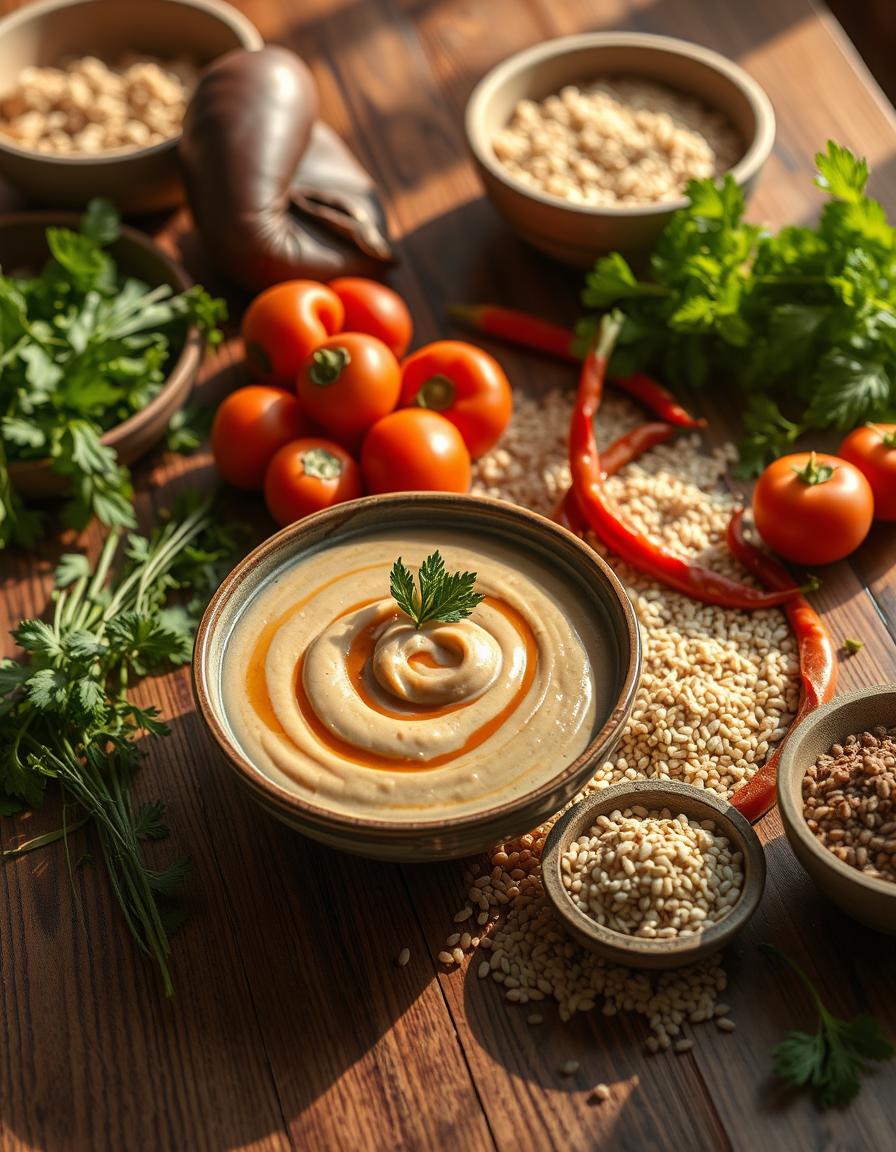

Miso, a traditional Japanese seasoning made from fermented soybeans, salt, and koji (a type of fungus), has become a staple ingredient in kitchens worldwide. Known for its rich umami flavor and health benefits, miso is often added to soups, marinades, and dressings. But for those with gluten sensitivities or celiac disease, a common question arises: is miso gluten free and safe for cooking? Understanding whether miso fits into a gluten-free diet can help you enjoy this flavorful ingredient without worry.
What Is Miso Made Of?
Miso is a fermented paste created by mixing soybeans with salt and the fungus Aspergillus oryzae, called koji. Often, grains such as rice, barley, or rye are also added to the mix. This means that not all miso is created equal when it comes to gluten content.
Types of Miso and Their Ingredients
| Type of Miso | Main Grain Used | Gluten Content | Common Uses |
|---|---|---|---|
| White Miso (Shiro Miso) | Rice | Usually Gluten Free | Soups, dressings, marinades |
| Yellow Miso (Shinshu Miso) | Rice & Soybeans | Usually Gluten Free | Soups, sauces |
| Red Miso (Aka Miso) | Barley or Rye | Contains Gluten | Hearty soups, stews |
| Mixed Miso | Combination of Rice, Barley, Soybeans | May Contain Gluten | Varied uses |
As you can see, the key to determining if miso is gluten free depends largely on the grains involved in its fermentation.
Is Miso Gluten Free?
The short answer: it depends. Since some miso varieties use barley or rye, which contain gluten, miso is not automatically gluten free. However, many brands offer miso made solely with rice and soybeans, making them safe for gluten-sensitive individuals.
To ensure you’re choosing a miso gluten free product, always check the ingredients list or look for clear gluten-free labeling. In some cases, manufacturers may also test their products in dedicated gluten-free facilities to avoid cross-contamination.
Why Some Miso Contains Gluten
Barley and rye are popular grains in Japan and add a distinctive flavor and color to miso. But unfortunately, both grains contain gluten proteins that can trigger health problems for those with gluten intolerance or celiac disease. Therefore, red miso or mixed miso with barley or rye should be avoided by anyone following a strict gluten-free diet.
Health Benefits of Gluten-Free Miso
Choosing miso gluten free has benefits beyond avoiding gluten reactions. Miso is packed with probiotics, thanks to the fermentation process, which supports gut health. Plus, it contains essential vitamins, minerals, and antioxidants. When you pick gluten-free miso, you get all these perks without the hassle of gluten-induced discomfort.
- Supports Digestion: Probiotics in miso help balance intestinal flora.
- Boosts Immune System: Fermented foods can enhance immune responses.
- Rich in Nutrients: Contains vitamins B, E, and K, as well as minerals like zinc and manganese.
How to Use Gluten-Free Miso Safely in Cooking
Cooking with gluten-free miso is simple and rewarding. Here are some tips to get the most out of your miso experience while avoiding gluten:
- Check Labels: Always confirm the miso is gluten-free before buying.
- Use in Miso Soup: Miso soup is a classic dish where gluten-free miso shines. Just add tofu, seaweed, and green onions for a delicious meal.
- Avoid Ingredients with Hidden Gluten: Sometimes, broths or sauces used alongside miso might contain gluten, so double-check all components of your recipe.
- Store Properly: Keep miso refrigerated once opened. This helps maintain its flavor and probiotic benefits.
For those curious about calorie intake in Asian dishes, you might find the calories in wonton soup vary depending on ingredients and preparation methods.
Common Misconceptions About Miso and Gluten
Many people believe all fermented soy products are gluten free, but this isn’t true. Miso’s gluten status depends on what’s added during fermentation. Another myth is that the fermentation process breaks down gluten, making it safe. Unfortunately, fermentation does not eliminate gluten proteins that cause problems for sensitive individuals.
Furthermore, some assume miso paste is low in sodium. While miso can be high in salt, there are reduced-sodium varieties available. Watch your salt consumption if that’s a concern.
Quick Guide: What to Look For When Buying Gluten-Free Miso
| Factor | Tips |
|---|---|
| Ingredients | Ensure no barley, rye, or wheat present. |
| Labeling | Look for “gluten free” certification or statement. |
| Brand Reputation | Buy from trusted producers with transparent sourcing. |
| Cross-Contamination | Prefer products made in gluten-free environments. |
Conclusion
Whether miso is gluten free depends mostly on its ingredients. If it is made from rice and soybeans without barley, rye, or wheat, it can be perfectly safe for a gluten-free diet. Always double-check labels and ingredient lists to avoid surprises. Using gluten-free miso not only enhances your meals with a unique depth of flavor but also brings plenty of health benefits. When shopping, keep your eyes peeled for trusted brands and clean labels, so you can enjoy miso with peace of mind.
In the end, miso is a wonderful addition to cooking, giving dishes a savory punch while fitting into gluten-free eating habits — a true win-win in the kitchen.

I’m Sandy – sharing simple tips, plans, and motivation to help you stay in a calorie deficit Plan and reach your fitness goals.
