
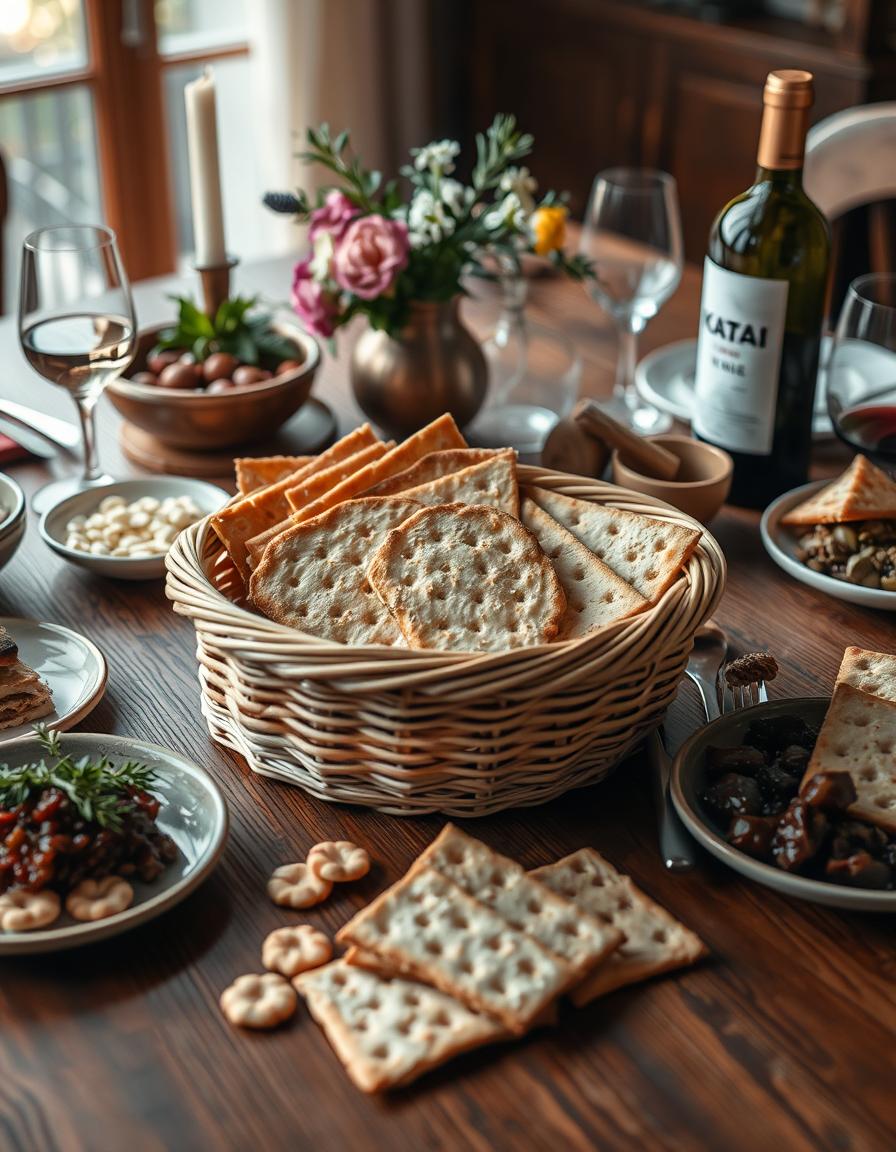

Passover is a special time filled with family, tradition, and a lot of food preparation. One of the most iconic items on the Seder plate is matzo—a flat, unleavened bread that holds deep symbolic meaning. But with the rise in gluten sensitivities and allergies, many people wonder: is matzo gluten free? Understanding what matzo is made of and how it fits into Passover diets can help those with dietary restrictions enjoy the holiday safely and deliciously.
What Is Matzo?
Matzo, sometimes spelled matzah or matzoh, is a type of unleavened bread eaten during Passover. It represents the haste with which the Israelites fled Egypt, leaving no time for their bread to rise. Traditionally, matzo is made from wheat flour and water, baked quickly to prevent fermentation. Because it’s not allowed to rise, matzo remains thin and crispy, often described as cracker-like in texture.
The Traditional Ingredients
The classic recipe for matzo uses just two ingredients: wheat flour and water. This simplicity is key to meeting the religious requirements for Passover. The flour is typically from wheat varieties such as hard red wheat, which contain gluten—a protein that some people must avoid for health reasons.
Is Matzo Gluten Free?
If you’re asking “is matzo gluten free?” the straightforward answer is generally no. Since matzo is made from wheat, it contains gluten. For people with celiac disease or gluten intolerance, eating traditional matzo can cause unpleasant or even dangerous symptoms. Gluten is what gives dough its elasticity, and wheat is one of the major sources of gluten in the diet.
Gluten-Free Matzo Options
Thankfully, the demand for gluten-free diets has encouraged bakers and food companies to create alternatives. Gluten-free matzo exists and is becoming more available in stores, especially around Passover time. These varieties are made from non-wheat sources like:
- Oat flour (certified gluten-free)
- Potato starch blends
- Almond flour or other nut-based flours
- Rice flour
However, not all gluten-free matzo is accepted by every Jewish community for Passover, so it’s important to check both for kosher certification and community standards.
How Does Gluten-Free Matzo Taste?
Gluten-free matzo tends to be a bit different in texture and flavor. Typical matzo is dry and crisp but still has a familiar wheat taste. Gluten-free options can sometimes be more crumbly or have a different flavor profile, depending on the base flour used. It’s worth trying a few brands or homemade recipes to find one you like. Many people who switch to gluten-free matzo enjoy discovering new flavors and textures that still honor the Passover tradition.
Why Gluten Matters on Passover
Gluten is a protein found in grains such as wheat, barley, and rye. For those with celiac disease, gluten triggers an immune response that damages the small intestine. Symptoms can range from stomach pain to fatigue or skin issues. Even if you don’t have celiac disease, some people prefer to avoid gluten for other health reasons or personal choice.
Passover is unique because the holiday rules forbid eating chametz—leavened bread or grains that have fermented. Since traditional matzo is unleavened wheat bread, it’s allowed. But for gluten-sensitive individuals, the wheat itself is the problem, not the leavening.
Tips for Eating Matzo Safely During Passover
- Look for certified gluten-free matzo from trusted brands.
- Check for a reliable kosher certification, especially for Passover.
- Consider making homemade gluten-free matzo for freshness and control over ingredients.
- Be cautious about cross-contact with wheat products in shared kitchens.
- Communicate dietary needs clearly when attending communal Seders or family gatherings.
Matzo and Nutritional Considerations
Matzo is quite simple nutritionally—mostly carbohydrates with a little protein and very little fat. Traditional matzo provides some dietary fiber, but not a lot. Gluten-free versions vary depending on their flour base. For example, oat-based gluten-free matzo might offer more fiber than rice or potato flour options.
Many people enjoy matzo as part of a balanced meal along with vegetables, meats, and traditional Passover dishes. It’s worth noting that indulging in rich foods during the holiday can add up quickly in calories. By the way, if you’re curious about calorie counts for other foods during celebrations, you might find it interesting to check out 3 birria tacos calories—sometimes it’s the little details that sneak up on you!
| Nutrient | Traditional Matzo (per 30g) | Gluten-Free Matzo (varies) |
|---|---|---|
| Calories | 110 | 100-120 |
| Carbohydrates | 22g | 20-25g |
| Protein | 3g | 2-4g |
| Fat | 0.5g | 0.5-1g |
| Fiber | 1g | 1-3g |
Making Your Own Gluten-Free Matzo
Some families prefer to prepare their own matzo to ensure it fits their dietary restrictions. Homemade gluten-free matzo recipes often use simple ingredients like gluten-free flours combined with water and a pinch of salt. The dough is rolled thin and baked quickly to mimic the traditional texture. This hands-on approach also brings a unique sense of connection to the holiday, as well as peace of mind about what goes into your food.
Basic Gluten-Free Matzo Recipe Ideas
- Mix 1 cup gluten-free flour blend with ¼ tsp salt and ¼ cup water. Roll thin and bake at 450°F for 4-6 minutes.
- Try oat flour combined with a tablespoon of potato starch for a crispier finish.
- Experiment with different gluten-free flours to find your favorite taste and texture.
Common Questions About Matzo and Gluten
Can someone with celiac eat traditional matzo?
No, traditional matzo contains wheat flour with gluten, which is harmful to people with celiac disease.
Is gluten-free matzo allowed for Passover?
Many Jewish authorities permit gluten-free matzo but it depends on the certification and how it’s made. Always check for specific community guidelines.
Does gluten-free matzo taste different?
Yes, because it’s made from different flours, gluten-free matzo can have variations in flavor and texture.
Where can I buy gluten-free matzo?
Some grocery stores and specialty Jewish markets stock gluten-free matzo especially close to Passover. Online retailers also offer several options.
Conclusion
So, is matzo gluten free? In most cases, traditional matzo is not gluten free because it is made from wheat flour containing gluten. For those who need to avoid gluten for health reasons, gluten-free matzo alternatives are available, though they may taste and feel different. Whether you buy gluten-free matzo or make your own at home, you can still enjoy this timeless Passover tradition without worry.
Understanding your options and checking certifications can ensure you have a safe, tasty, and meaningful Passover meal. After all, holidays are about gathering, sharing, and celebrating—something everyone deserves regardless of their dietary needs.

I’m Sandy – sharing simple tips, plans, and motivation to help you stay in a calorie deficit Plan and reach your fitness goals.
