
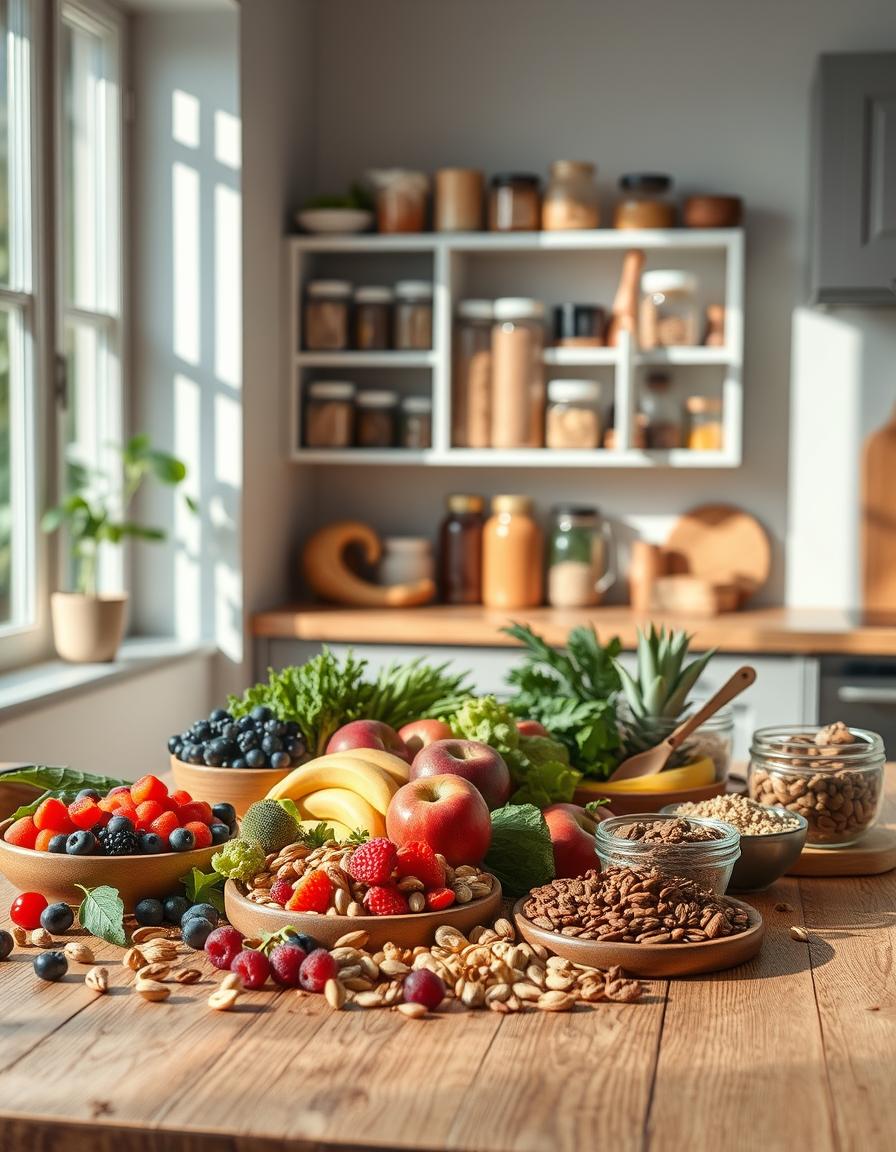

Intermittent fasting has become quite popular for its health benefits and simplicity. When combined with a vegan lifestyle, it offers a fresh way to boost energy, improve digestion, and even support weight management. Vegan intermittent fasting isn’t just about skipping meals; it’s about timing your plant-based meals strategically to feel your best. Whether you’re a curious beginner or someone wanting to mix up your routine, understanding how these two approaches work together can open doors to a healthier you.
What Is Vegan Intermittent Fasting?
At its core, vegan intermittent fasting means following a fasting and eating schedule while sticking strictly to plant-based foods. Intermittent fasting is about cycling between periods of eating and fasting. For example, you might eat during an 8-hour window and fast for the other 16 hours of the day. The vegan part means that everything you consume during your eating window comes from plants—no meat, dairy, or animal products.
This combo can feel refreshing because it encourages you to focus on nutrient-rich meals without worrying about complicated calorie counting or cutting out entire food groups. It’s more about when you eat than what exactly you eat, though quality plant foods make a big difference.
Popular Intermittent Fasting Schedules for Vegans
Trying to fit vegan eating into a fasting routine might seem tricky at first, but there are several fasting schedules that beginners find easy and flexible.
16/8 Method
- Fast for 16 hours, eat during an 8-hour window.
- Example: Eat between 12 pm and 8 pm, fast from 8 pm to 12 pm next day.
- Allows two or three meals that are filling and nutritious.
14/10 Method
- Fast for 14 hours, eat during a 10-hour window.
- Example: Eating from 10 am to 8 pm.
- More flexible, easier for beginners or those with busy mornings.
5:2 Approach
- Eat normally five days a week.
- On two non-consecutive days, restrict calorie intake to about 500–600 calories.
- Vegan foods during low-calorie days should be nutrient-dense to avoid hunger.
Benefits of Vegan Intermittent Fasting
Combining veganism with intermittent fasting has a handful of advantages that can appeal to many people.
Improved Digestion
Giving your digestive system a break during fasting hours can reduce bloating and improve gut health. Plus, plant-based diets are high in fiber, which naturally supports your digestive flow.
Supports Weight Management
Since vegan foods tend to be lower in calories but rich in nutrients, they help keep you full and satisfied. Intermittent fasting naturally reduces the chance of overeating, which may make shedding unwanted pounds easier.
Boosts Energy and Mental Clarity
Many people report feeling more alert during fasting periods. Eating clean, plant-based meals during your eating window helps maintain steady energy without crashes.
May Reduce Inflammation
Both fasting and plant-based diets have been linked to lower inflammation levels. This can contribute to overall better health and reduce the risk of certain chronic diseases.
Planning Your Vegan Intermittent Fasting Meals
Eating well is key to enjoying vegan intermittent fasting without feeling tired or hungry all the time. Here’s a simple guide to plan your meals and snacks.
Focus on Nutrient-Dense Foods
- Legumes: Beans, lentils, chickpeas provide protein and fiber.
- Whole grains: Brown rice, quinoa, oats offer lasting energy.
- Vegetables: Leafy greens and colorful veggies provide vitamins and antioxidants.
- Nuts & seeds: Great sources of healthy fats and a protein boost.
- Fruits: Natural sweetness and an easy way to get carbs and vitamins.
Sample 16/8 Fasting Day
| Time | Meal | Example Foods |
|---|---|---|
| 12:00 PM (Break Fast) | Lunch | Quinoa salad with chickpeas, spinach, avocado, cherry tomatoes, olive oil |
| 3:30 PM | Snack | Apple slices with almond butter |
| 7:30 PM | Dinner | Stir-fried tofu with broccoli, carrots, brown rice |
Tips for Success
- Stay hydrated: Drink plenty of water during fasting and eating windows.
- Start slowly: Begin with a shorter fasting window like 12 or 14 hours before trying longer ones.
- Listen to your body: If you feel dizzy or weak, adjust your eating window or food choices.
- Include variety: Mix different plant foods to get a range of nutrients and avoid boredom.
- Prepare meals in advance: This helps avoid reaching for quick, less healthy options when you’re hungry.
By the way, if you’re curious about comparing plant-based fasting with other eating habits, you might find it interesting to learn about the calories in birria tacos. It’s amazing how different meals stack up calorie-wise!
Common Challenges and How to Overcome Them
Adjusting to vegan intermittent fasting can come with a few bumps in the road. Here are some common obstacles and friendly advice to handle them.
Feeling Hungry During Fasting Periods
This is totally normal at first. Often your body just needs time to adapt. Drinking herbal teas, water, or black coffee can help curb hunger. If hunger is intense, consider shortening your fasting window slightly.
Low Energy or Fatigue
Make sure your meals pack enough calories and nutrients. Skimping on protein or healthy fats can leave you feeling drained. Also, a balanced intake of complex carbs gives you steady fuel.
Social Situations
It’s not always easy to stick to fasting schedules when eating with family or friends. A little flexibility doesn’t hurt. You could shift your eating window or enjoy your favorite vegan dish while still keeping to your plan the next day.
Is Vegan Intermittent Fasting Right for You?
Like any lifestyle change, it’s important to consider your own body and needs. Vegan intermittent fasting works well for many but may not suit everyone. If you have medical conditions, are pregnant, or have a history of eating disorders, chatting with a healthcare professional before starting is a smart move.
When done thoughtfully, it can be a unique way to give your body a break and enjoy plant-based eating with a fresh rhythm.
Conclusion
Vegan intermittent fasting offers a simple, flexible path toward better health through timed eating combined with plant-based nutrition. It encourages mindful eating, improves digestion, and supports sustainable weight management. By focusing on whole, nutrient-rich foods and finding a fasting schedule that fits your lifestyle, you can enjoy the benefits without stress. Remember to hydrate well, listen to your body, and keep your meals colorful and satisfying. In the end, the key is balance and making choices that feel good for you every day.

I’m Sandy – sharing simple tips, plans, and motivation to help you stay in a calorie deficit Plan and reach your fitness goals.
