
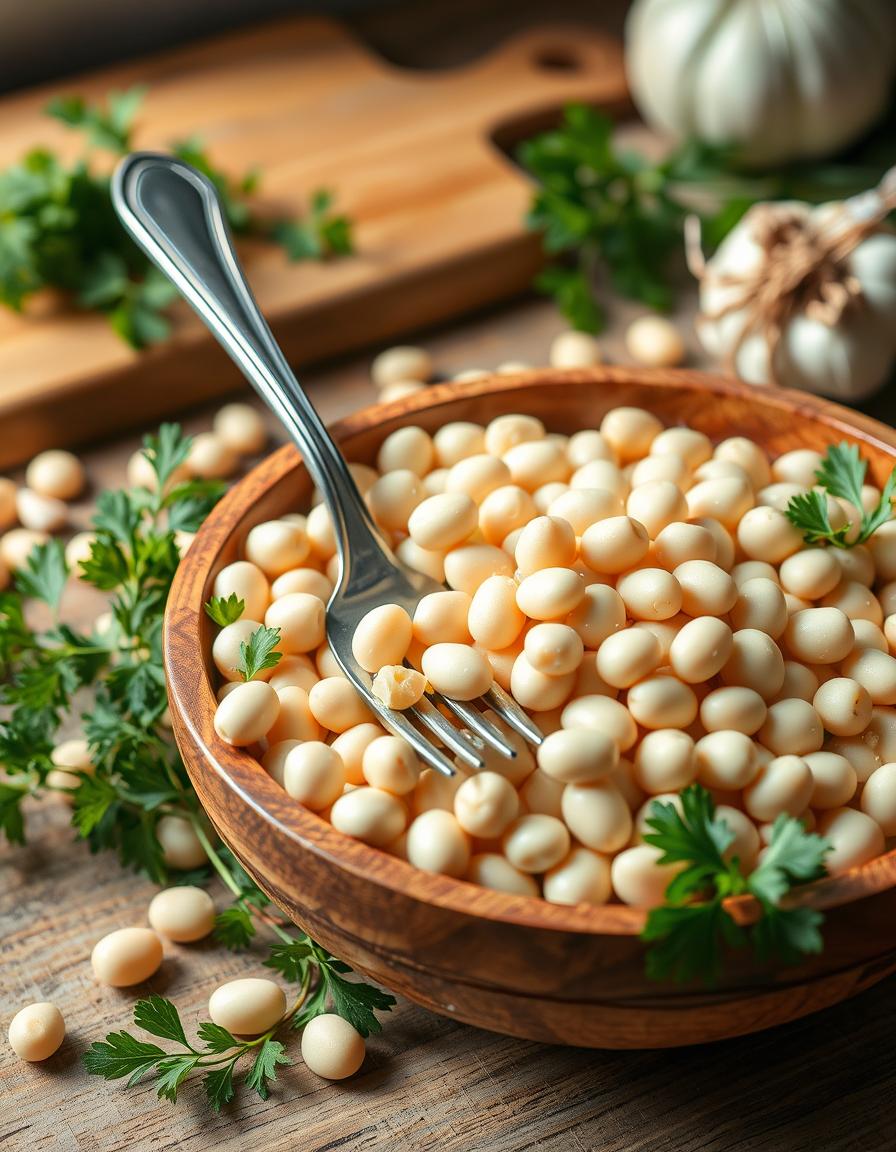

White beans are a pantry staple that often don’t get the spotlight they deserve. These little legumes are packed with nutrients and offer a gentle, nutty flavor that fits well in many dishes. If you’ve ever wondered about the calories in white beans and how they might benefit your health, you’re in the right place. Let’s explore what makes white beans a smart choice for anyone looking to eat healthy without sacrificing taste or satisfaction.
Understanding Calories in White Beans
When you check the nutrition facts on white beans, the first thing you might notice is their modest calorie count. A typical half-cup serving of cooked white beans contains approximately 110 to 130 calories. This makes them an excellent option for those wanting to control calorie intake while still feeling full.
Here’s a quick overview:
| Serving Size (cooked) | Calories | Protein (g) | Carbohydrates (g) | Fiber (g) | Fat (g) |
|---|---|---|---|---|---|
| 1/2 cup (90 grams) | 120 | 8 | 22 | 6 | 0.5 |
White beans contain mostly complex carbohydrates, which the body digests slowly. This helps keep blood sugar levels steady, avoiding the “crash” that can come from sugary snacks. Thanks to their fiber and protein content, they deliver lasting energy and help keep hunger at bay.
Why Calories in White Beans Matter
Counting calories isn’t just about cutting back; it’s about choosing the right ones. White beans provide energy with fewer calories than many other protein sources like meat or cheese. They give you plenty of nutrients without overloading your diet with fats or sugars.
If you’re managing your weight or trying to eat cleaner, white beans can be a secret weapon. A bowl of chili or soup with white beans can make a meal hearty, filling, and much lighter on calories than versions loaded with fatty meats.
Health Benefits of White Beans
Besides their favorable calorie count, white beans offer a treasure chest of health benefits. Here are some of the most notable:
- High in Fiber: Fiber helps digestion, reduces cholesterol, and keeps you feeling full longer. White beans are an excellent fiber source, offering about 6 grams per half-cup.
- Rich in Protein: Plant-based protein supports muscle repair and growth. White beans contain about 8 grams of protein per serving, making them a great meat alternative.
- Low in Fat: With less than one gram of fat per serving, white beans are heart-friendly and fit perfectly in a low-fat diet.
- Loaded with Vitamins and Minerals: They provide iron, magnesium, folate, and potassium, all crucial for energy production, muscle function, and maintaining blood pressure.
- Blood Sugar Support: Their complex carbs and fiber promote steady blood sugar, beneficial for people with diabetes or anyone trying to avoid spikes.
White Beans and Heart Health
Heart disease is a top health concern worldwide, and diet plays a huge role in prevention. White beans contain nutrients like magnesium and potassium that help lower blood pressure. Their fiber can also reduce LDL cholesterol, sometimes called “bad cholesterol.” So, eating white beans regularly may support a healthier heart.
Supporting Weight Management
Because white beans are filling without being calorie-heavy, they are ideal for weight control. Fiber slows digestion, and protein boosts metabolism mildly by requiring more energy to digest. This combo means you can enjoy satisfying meals that won’t load you up with extra calories.
How to Add White Beans to Your Diet
Incorporating white beans is easier than you might think. They blend well in soups, stews, salads, and even mashed like hummus. If you’re short on time, canned beans are a convenient choice—just rinse to reduce sodium.
Try these simple ideas:
- Mix white beans into pasta sauces for extra texture and nutrition.
- Add a scoop to your favorite vegetable soup.
- Mash beans with olive oil, garlic, and lemon for a creamy dip.
- Make a white bean salad with tomatoes, cucumbers, and herbs.
Pairing white beans with whole grains like brown rice or quinoa can create a complete protein—a boon for vegetarians and vegans.
Cooking Tips
- Soak dried beans overnight to reduce cooking time and improve digestibility.
- Simmer gently to keep beans intact and avoid mushiness.
- Season well with spices and herbs to boost flavor without extra calories.
Additional Benefits to Consider
White beans aren’t just good for your body; they’re good for your budget too! They’re inexpensive and shelf-stable, making them an accessible way to eat healthy. Plus, they have a mild flavor that adapts to many recipes, so you won’t get bored.
Also, if you’re interested in bone health, you might find it useful to explore a 7-day bone broth diet plan. Bone broth is rich in collagen and minerals, complementing the nutritional benefits of beans nicely.
Conclusion
White beans offer a unique combination of low calories and high nutrition that fits perfectly with a healthy lifestyle. Their balanced mix of fiber, protein, and essential nutrients supports heart health, weight management, and more. With about 120 calories in a half-cup serving, they deliver plenty of energy without unwanted extras.
If you’re looking for a versatile, affordable, and tasty food to boost your meals, white beans are a great pick. Incorporating them into your diet can help you feel full, stay energized, and enjoy the many health benefits legumes provide. So next time you’re planning your grocery list, consider grabbing some white beans—you might just discover your new favorite superfood.

I’m Sandy – sharing simple tips, plans, and motivation to help you stay in a calorie deficit Plan and reach your fitness goals.
