
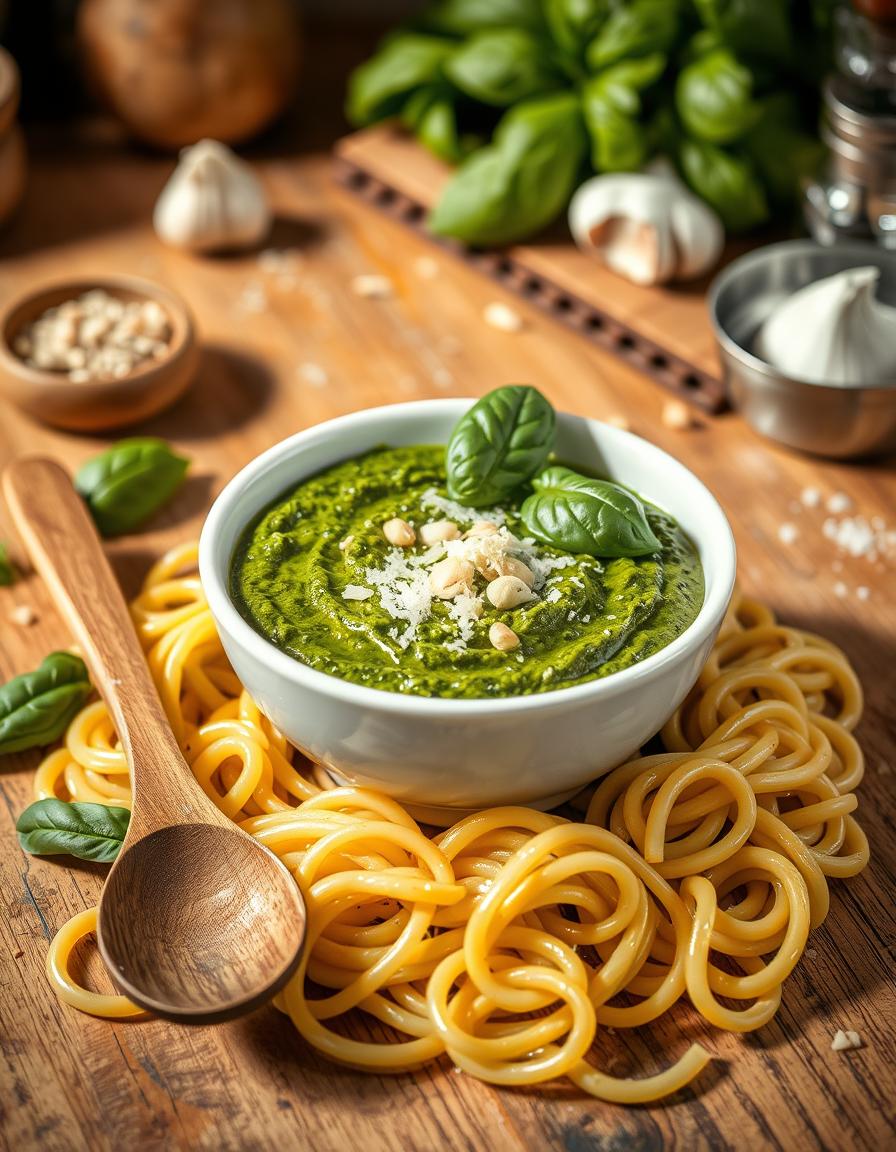

Pesto is a classic Italian sauce that has won hearts around the globe with its fresh flavors and versatility. Traditionally made with basil, pine nuts, Parmesan cheese, garlic, and olive oil, pesto can be rich and calorie-dense. But what if you want to enjoy that vibrant taste without loading up on calories? That’s where a low calorie pesto comes in—a lighter, healthier twist on the classic that keeps all the great flavor without weighing you down. Perfect for pasta, sandwiches, or even as a dip, this version lets you indulge guilt-free.
Why Choose Low Calorie Pesto?
Pesto’s traditional ingredients, especially nuts, cheese, and olive oil, pack a lot of calories. While they are nutritious, the calorie count can add up quickly, making it tough for anyone watching their intake. Low calorie pesto offers a way to keep pesto on your plate without derailing your eating goals. It’s especially helpful for those who want flavorful meals but are mindful of portion control or trying to lose weight.
Besides calories, reducing the fat content can make the pesto feel lighter on your palate. You get to enjoy the fresh, herby burst of basil and garlic without feeling overly full or sluggish after your meal. Plus, low calorie pesto often uses ingredients like Greek yogurt or cauliflower, which add creaminess and nutrients without all the fat.
Ingredients for the Perfect Low Calorie Pesto
Creating a great low calorie pesto starts with swapping or altering a few traditional ingredients. Instead of high amounts of oil and nuts, you can use alternatives that still give you the texture and flavor you crave. Here’s a quick look at common ingredient swaps:
| Traditional Ingredient | Low Calorie Substitute | Purpose |
|---|---|---|
| Olive oil (1/2 cup) | Olive oil (2 tablespoons) + water or vegetable broth | Reduces fat while maintaining moisture |
| Pine nuts (1/4 cup) | Walnuts or pumpkin seeds (1/8 cup) or omit | Fewer calories and added crunch/flavor |
| Parmesan cheese (1/4 cup) | Grated Pecorino Romano or nutritional yeast | Lower fat and adds umami flavor |
| Fresh basil leaves | Fresh basil leaves | The star herb—no change here! |
| Garlic cloves (2) | Garlic cloves (2) | Flavor boost |
Simple Low Calorie Pesto Recipe
Ingredients
- 2 cups fresh basil leaves, packed
- 1/8 cup walnuts or pumpkin seeds (optional)
- 2 cloves garlic
- 2 tablespoons olive oil
- 3 tablespoons water or low-sodium vegetable broth
- 2 tablespoons grated Pecorino Romano or nutritional yeast
- Salt and pepper, to taste
- Juice of 1/2 lemon (optional for brightness)
Instructions
- Place the basil, walnuts (or pumpkin seeds), and garlic in a food processor or blender.
- Pulse a few times until coarsely chopped.
- While blending, slowly add olive oil and water or broth to reach a smooth consistency.
- Stop and scrape down the sides as needed.
- Add the cheese or nutritional yeast, lemon juice, salt, and pepper.
- Pulse a few more times until everything is well combined but still vibrant and slightly chunky.
- Taste and adjust seasoning if necessary.
This recipe yields about 3/4 cup of low calorie pesto, enough to generously dress pasta for two to three people or use as a spread on sandwiches.
Tips for Using Low Calorie Pesto
Low calorie pesto isn’t just for pasta. It’s a versatile condiment that can brighten up many dishes. Here are a few ideas to keep meals interesting:
- As a sauce: Toss with cooked whole wheat pasta, zoodles, or spaghetti squash for a light meal.
- Spread it: Use as a sandwich spread or on grilled chicken or fish for an herbaceous twist.
- Dip it: Serve as a dip for fresh veggies or whole-grain crackers during snack time.
- Mix it in: Stir a spoonful into soups or roasted vegetables for an extra punch of flavor.
Health Benefits of Low Calorie Pesto
By reducing oil and nuts slightly and adding ingredients like water or broth, this pesto keeps flavor intact with fewer calories and less fat. Basil offers antioxidants and vitamins like Vitamin K, which supports bone health, and Vitamin A for your vision. Garlic is known for its immune-boosting and heart-healthy properties. Using nutritional yeast is a clever way to add that cheesy flavor while also providing B vitamins and protein, especially useful if you want a vegan version.
If you’re curious about balancing treats and healthy choices, like how a chocolate glazed donut fits into your nutrition, you might find this chocolate glazed donut calories guide insightful. It helps put indulgences into perspective, much like how low calorie pesto lets you enjoy bold flavors without going overboard.
Nutritional Comparison: Traditional vs. Low Calorie Pesto
| Nutrient | Traditional Pesto* (per 2 tbsp) | Low Calorie Pesto (per 2 tbsp) |
|---|---|---|
| Calories | 190 | 90 |
| Total Fat | 20g | 8g |
| Sodium | 270mg | 150mg |
| Protein | 2g | 3g |
| Vitamin K | 25% DV | 30% DV |
*Approximate values based on standard pesto ingredients.
Storage and Shelf Life
Because this pesto uses less oil and more watery ingredients, it won’t last as long as traditional pesto. Store it in an airtight container in the fridge. It should stay fresh for up to 4-5 days. To prevent browning, pour a thin layer of olive oil on top before sealing or press a piece of plastic wrap directly on the surface. If you need it longer, freeze portions in ice cube trays and pop out cubes as needed—great for quick additions to meals.
Common Questions About Low Calorie Pesto
Can I make it nut-free?
Absolutely! Simply skip the nuts or replace them with seeds like sunflower or pumpkin for a nut-free version. You might lose a bit of the creamy texture but still get plenty of flavor.
What if I don’t have a food processor?
You can finely chop the ingredients by hand and then stir in the oil, water, and cheese. It takes a little more elbow grease but still works well.
How can I make it vegan?
Swap out the cheese for nutritional yeast and ensure no honey or dairy is added. This keeps things plant-based without sacrificing the cheesy notes.
Conclusion
Low calorie pesto is a fantastic way to enjoy the fresh, vibrant flavors of traditional pesto with fewer calories and less fat. Whether you toss it with pasta, spread it on sandwiches, or use it as a dip, this sauce keeps your meals exciting and light. With simple ingredient swaps and easy preparation, you can whip up this healthy version anytime and impress family and friends with your culinary creativity. Remember, enjoying good food doesn’t have to mean overdoing it on calories—sometimes, all you need is a unique twist to keep things tasty and balanced.

I’m Sandy – sharing simple tips, plans, and motivation to help you stay in a calorie deficit Plan and reach your fitness goals.
