
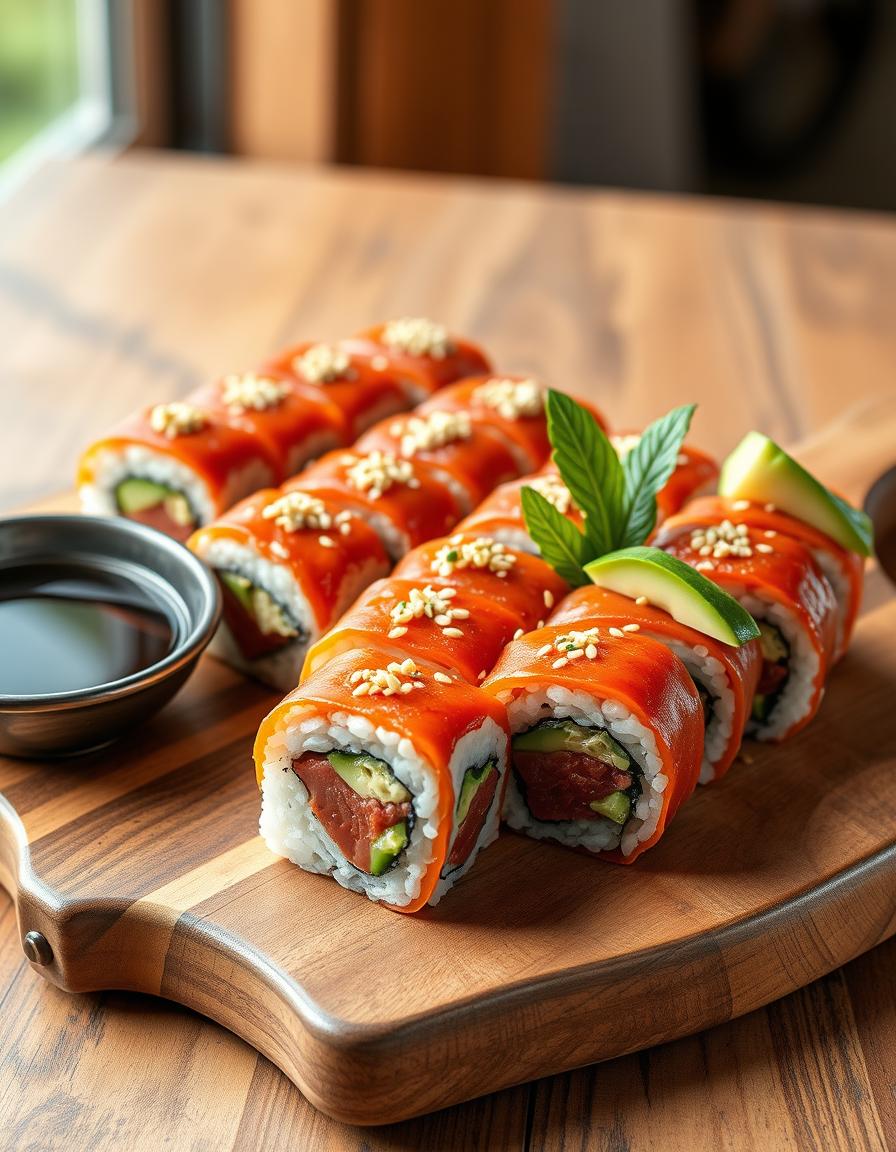

Spicy tuna rolls have become a favorite sushi choice for many who enjoy a bit of kick alongside fresh flavors. Whether you’re grabbing a quick lunch or indulging in a sushi night, understanding the spicy tuna roll nutrition can help you make smarter food choices. This popular roll combines tuna, spicy mayo, and rice wrapped in seaweed – but how healthy is it really? Let’s break down the calories, protein, carbs, and more to see what you’re eating with every bite.
What’s Inside a Spicy Tuna Roll?
At its core, a spicy tuna roll is made with fresh tuna mixed with spicy mayo, sushi rice, and nori (seaweed). Sometimes, additional ingredients like cucumber, scallions, or sesame seeds are included to add flavor and texture. The spicy mayo usually contains mayonnaise and sriracha or another type of hot sauce, giving the roll its signature heat.
This combination makes the roll both tasty and slightly creamy with a spicy twist. If you’re watching your intake or want to balance your meals better, knowing the spicy tuna roll nutrition facts can be quite helpful.
Calories in a Spicy Tuna Roll
Calories can vary depending on portion size and exact ingredients, but a typical spicy tuna roll with 6-8 pieces provides around 290 to 350 calories. The spicy mayo adds extra fat and calories compared to a regular tuna roll, which usually contains fewer calories.
| Item | Calories (Approx.) |
|---|---|
| Spicy tuna roll (6-8 pieces) | 300 |
| Regular tuna roll (6-8 pieces) | 184 |
| Spicy mayo (per tablespoon) | 90 |
So, the spicy mayo really packs a calorie punch. If you want fewer calories, you can ask for less spicy mayo or eat fewer pieces. Now, calories are just part of the story; let’s look at other nutrients.
Protein Content
One of the highlights of eating a spicy tuna roll is the good amount of protein it offers, thanks to the fresh tuna. Protein is important for muscle repair, keeping you full, and supporting overall health. A typical spicy tuna roll contains about 15-20 grams of protein per serving.
- Tuna is a lean source of protein with very little fat (unless it’s fatty tuna, which is sometimes used but less common in spicy rolls).
- Compared to other sushi rolls, the spicy tuna roll gives you a nice protein boost.
- Protein also helps maintain energy levels, especially if you’re active or working out.
In a way, spicy tuna rolls offer a great balance—moderate calories with relatively high protein content. This makes it a smart choice for lunch or dinner if you want to keep your meal filling without overdoing it on calories.
Carbohydrates and Fiber
The main source of carbohydrates in a spicy tuna roll is sushi rice. Rice is typically seasoned with vinegar and sugar, adding to the carb count. A full spicy tuna roll contains roughly 30 to 40 grams of carbs, depending on how much rice is used.
Here’s how those carbs break down:
- Sushi rice provides quick energy but has minimal fiber.
- The nori wrap adds a tiny amount of fiber, but it’s usually not significant.
- Some rolls include vegetables like cucumber, which add a bit more fiber and crunch.
Since fiber helps with digestion and blood sugar control, the spicy tuna roll is a bit low in it. Pairing it with a side salad or seaweed salad can help ensure you get some fiber in your meal.
Fats in a Spicy Tuna Roll
Fat content mainly comes from the spicy mayo and the tuna itself. Tuna is generally low in fat, but spicy mayo contains mayonnaise, which is higher in fat and calories. A serving of spicy mayo can add about 8-10 grams of fat, mostly from oils.
Here’s what the fat content looks like:
- Total fat: approximately 10-15 grams per roll
- Saturated fat: about 1-2 grams
- Omega-3 fatty acids: present in tuna, beneficial for heart health
Despite the added fat from mayo, spicy tuna rolls still have healthy fats thanks to the fish. If you want to cut back on the fat, ask for less mayo or try a regular tuna roll instead.
Micronutrients and Other Benefits
Tuna is loaded with vitamins and minerals such as vitamin D, selenium, and B vitamins. These nutrients support immune function, energy production, and overall well-being. The seaweed wrap is rich in iodine, which helps regulate thyroid function.
So, the spicy tuna roll offers more than just macronutrients; it supplies important micronutrients too. However, keep in mind that sodium levels can be high, especially if you dip your sushi in soy sauce. Moderation is key!
Spicy Tuna Roll vs. Other Sushi Rolls
How does the spicy tuna roll stack up against some other common sushi options? Here’s a quick comparison:
| Roll | Calories | Protein (g) | Carbs (g) | Fat (g) |
|---|---|---|---|---|
| Spicy Tuna Roll | 300 | 18 | 35 | 12 |
| California Roll | 250 | 9 | 38 | 7 |
| Salmon Avocado Roll | 290 | 14 | 32 | 10 |
As you can see, spicy tuna rolls are a bit higher in protein compared to some rolls, but also contain more fat due to the mayo. If the spice and flavor excite you but you want to keep fat in check, asking for lighter mayo or eating fewer pieces can help.
And if you enjoy sweet treats after your sushi but want to keep things light, check out these best low calorie desserts that complement your meal without piling on the calories.
Tips to Enjoy Spicy Tuna Rolls Healthily
- Go easy on soy sauce: Soy sauce packs a lot of sodium, which can cause bloating and water retention.
- Choose smaller portions: Eating 4-6 pieces instead of a full roll is a simple way to manage calorie intake.
- Balance with veggies: Add seaweed salad, edamame, or cucumber slices for extra fiber and nutrients.
- Ask for less mayo: Reducing spicy mayo lowers fat and calories but keeps the flavor.
- Stay hydrated: Drinking water helps digestion and balances out salty flavors.
Conclusion
Spicy tuna roll nutrition reflects a tasty balance of protein, carbohydrates, and fats, with a moderate calorie count. The fresh tuna offers a lean protein punch, while the spicy mayo adds flavor and some extra calories. If you want to enjoy this sushi favorite without overdoing it, keep an eye on portion size and consider lighter mayo options. Pairing your roll with vegetables and limiting soy sauce can also make your meal healthier and more satisfying.
Whether you’re a sushi newbie or a seasoned fan, understanding what’s inside your spicy tuna roll helps you eat smarter and enjoy your meals guilt-free. So go ahead, savor that spicy kick with confidence!

I’m Sandy – sharing simple tips, plans, and motivation to help you stay in a calorie deficit Plan and reach your fitness goals.
