
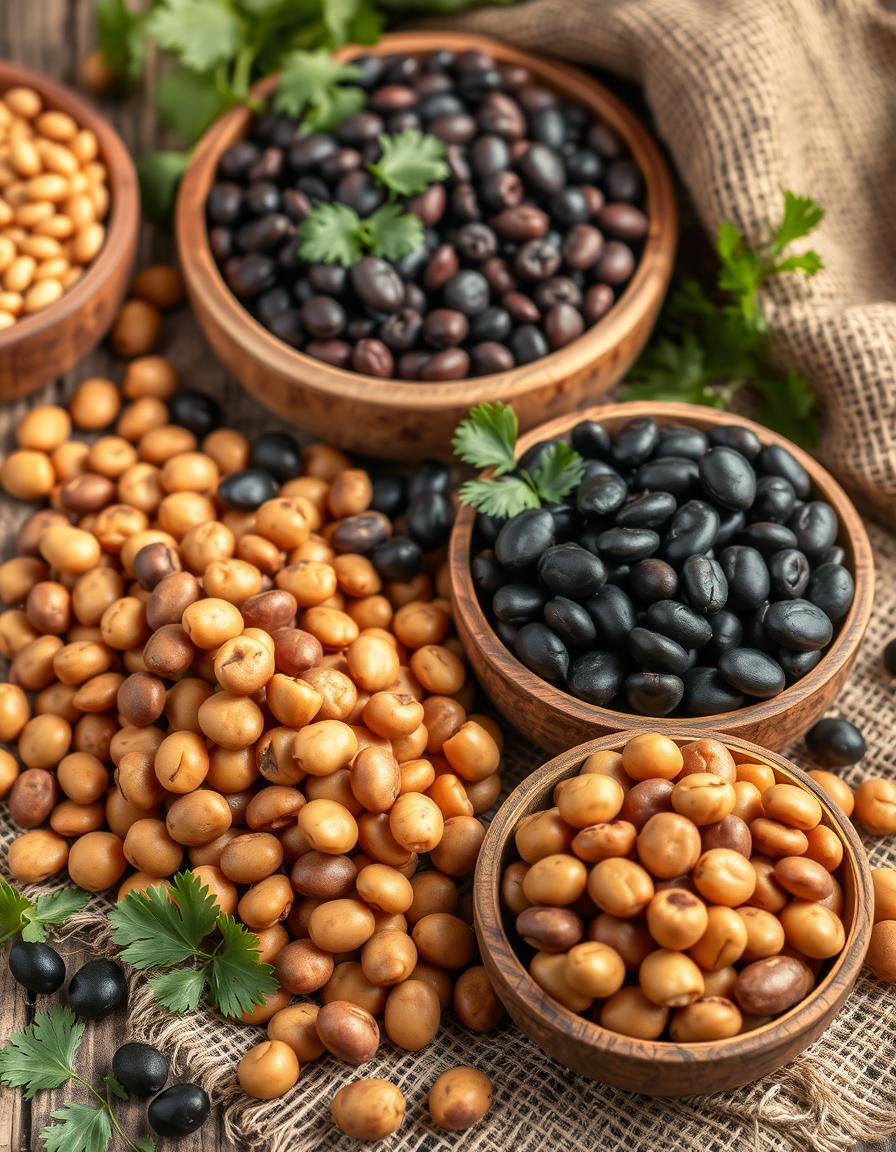

Beans are a staple in many diets worldwide, loved for their taste, versatility, and health benefits. Among the many varieties, pinto and black beans are two favorites that often spark questions about nutrition. If you’ve ever wondered which is healthier between pinto vs black beans nutrition, you’re not alone. Both types pack a serious nutritional punch, but subtle differences can make one a better choice depending on your health goals and taste preferences.
Nutritional Overview of Pinto and Black Beans
Before diving into the details, it helps to get a quick snapshot of what these beans bring to the table. Below is a simple comparison based on a 1-cup cooked serving (about 170 grams):
| Nutrient | Pinto Beans | Black Beans |
|---|---|---|
| Calories | 245 | 227 |
| Protein (g) | 15.4 | 15.2 |
| Carbohydrates (g) | 45 | 41 |
| Fiber (g) | 15.4 | 15 |
| Fat (g) | 1.1 | 0.9 |
| Iron (mg) | 3.6 | 3.6 |
| Magnesium (mg) | 85 | 120 |
Both beans are excellent sources of plant-based protein and fiber, which help keep you full and support digestion. Interestingly, the calorie and protein content is quite similar, but black beans offer slightly more magnesium, an essential mineral for muscle and nerve function.
Carbohydrates and Fiber
Many people watch their carb intake closely, especially when trying to lose weight or manage blood sugar. Pinto beans contain about 45 grams of carbohydrates per cup, while black beans have a bit less, at 41 grams. However, both are rich in dietary fiber—around 15 grams per serving—which is fantastic for gut health.
Fiber slows down the digestion of carbs, helping maintain steady blood sugar levels. This quality makes both beans a smart choice if you’re following a 1200 calorie diet or any eating plan focused on balanced nutrition. Plus, fiber keeps your digestive system happy and may reduce the risk of heart disease.
Which Bean Is Better for Blood Sugar Control?
Because of their fiber content and low glycemic index, both pinto and black beans can be beneficial for blood sugar management. Some studies suggest black beans may have a slightly stronger effect due to their antioxidants, but the difference is minor. Including either bean in meals can help smooth out sugar spikes after eating.
Protein Power
Protein is the building block for muscles, skin, and enzymes, and beans are a top plant-based protein source. Pinto beans have roughly 15.4 grams of protein per cup; black beans offer about 15.2 grams. So, there’s little to split hairs over here.
For vegetarians and vegans, both beans provide essential amino acids, although they don’t contain all nine in perfect balance like animal products. Combining beans with grains such as rice or corn can help complete the protein puzzle. A classic example is a hearty chili with beans and corn tortillas—delicious and nourishing!
Vitamins and Minerals
Vitamins and minerals are the unsung heroes of nutrition, supporting everything from energy production to immune defense. Here are some key nutrients in pinto and black beans:
- Iron: Both beans provide a similar amount of iron, about 3.6 mg per cup, which is vital for oxygen transport in the blood.
- Magnesium: Black beans win slightly here with 120 mg versus 85 mg in pinto beans. Magnesium helps with muscle function and heart health.
- Potassium: Both varieties offer good potassium content, useful for regulating blood pressure.
- Folate: Important for cell growth and repair, both beans are great sources.
Overall, the mineral profiles are quite comparable. If you want to maximize magnesium intake, black beans may be your go-to.
Antioxidants and Phytochemicals
Beans are loaded with antioxidants, compounds that protect your cells from damage. Black beans have a reputation for being especially rich in anthocyanins, a type of antioxidant that gives them their deep color. Meanwhile, pinto beans contain other types of antioxidants like flavonoids.
This means both beans can support your body’s defense system, potentially lowering inflammation and risk of chronic diseases. Incorporating a variety of beans in your diet ensures you get a unique blend of these protective compounds.
Digestive Health and Taste
Fiber isn’t just good for blood sugar; it also feeds the friendly bacteria in your gut. This promotes better digestion and can even improve mood. Both beans shine here, with roughly 15 grams of fiber each.
Taste-wise, pinto beans have a creamy texture and a slightly earthy flavor. They tend to mash easily and are perfect for refried beans or stews. Black beans are firmer with a mild, slightly sweet taste. They hold up well in salads, soups, or as a side dish.
Choosing between them often boils down to recipe needs and flavor preferences rather than nutrition alone. A little culinary wiggle room never hurts!
Calorie Comparison and Weight Management
Looking at calories, pinto beans have about 245 calories per cup, while black beans come in a bit lower at 227 calories. These numbers are modest, especially considering the fullness factor fiber and protein provide. If you’re on a calorie-controlled plan, like the one mentioned earlier, these beans fit nicely as nutritious, filling options.
How to Include Pinto and Black Beans in Your Diet
Adding beans to your meals is easier than you might think. Here are some fun and simple ideas:
- Salads: Toss black beans into a fresh salad with corn, avocado, and a lime dressing.
- Soups and Stews: Pinto beans are lovely in hearty soups or classic chili.
- Spreads and Dips: Mash pinto beans with garlic and spices for a tasty dip.
- Rice Bowls: Combine black beans with brown rice, veggies, and salsa for a balanced meal.
Experimenting with both gives you a delicious way to reap the nutritional benefits from both worlds.
Common Concerns: Gas and Digestive Discomfort
Some people worry that beans cause uncomfortable gas or bloating. While they do contain certain carbohydrates that can ferment in the gut, soaking beans before cooking and introducing them slowly into your diet can reduce these effects. Your gut bacteria will gradually adapt, making digestion easier over time.
Summary Table: Pinto vs Black Beans Nutrition
| Nutrient | Pinto Beans | Black Beans | Notes |
|---|---|---|---|
| Calories | 245 | 227 | Black beans slightly lower |
| Protein (g) | 15.4 | 15.2 | Very close amounts |
| Fiber (g) | 15.4 | 15 | Both excellent sources |
| Magnesium (mg) | 85 | 120 | Black beans have more |
| Antioxidants | Flavonoids | Anthocyanins | Different types, both beneficial |
Conclusion
When weighing pinto vs black beans nutrition, it’s clear that both are fantastic choices loaded with protein, fiber, and essential minerals. Black beans edge out slightly in magnesium and antioxidant content, while pinto beans bring a comforting creamy texture and a touch more carbs. Neither choice is a nutritional loser, and mixing both into your diet adds variety and flavor.
Beans are humble but mighty in health benefits, proving once again that good things come in small, tasty packages. So next time you cook beans, consider trying both varieties and see which one tickles your taste buds and fits your nutritional needs best!

I’m Sandy – sharing simple tips, plans, and motivation to help you stay in a calorie deficit Plan and reach your fitness goals.
