
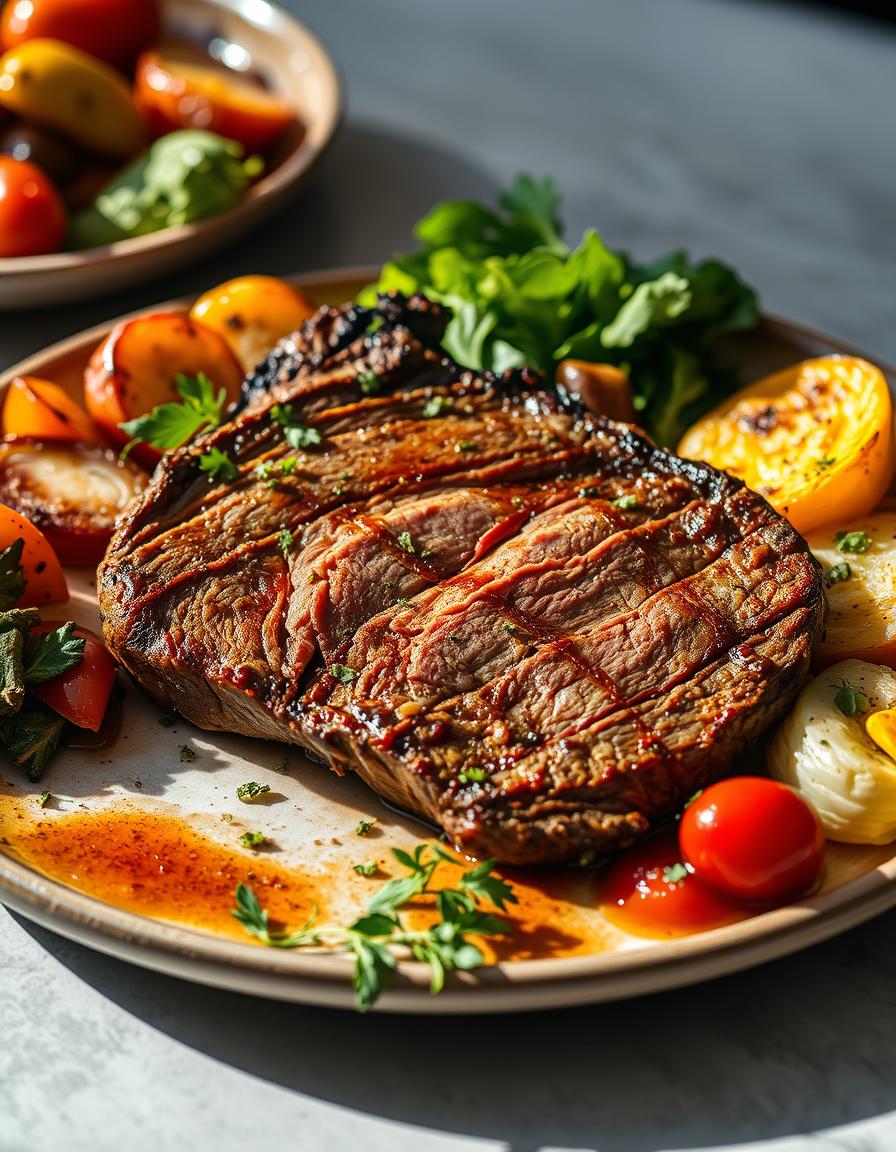

Chuck roast is a popular cut of beef loved for its rich flavor and tender texture after slow cooking. Whether you’re simmering it in a stew or roasting it low and slow, this cut offers more than just taste—it brings a variety of nutrients to your plate. Understanding chuck roast nutrition facts can help you make informed decisions about including it in your meals, especially if you’re keeping an eye on protein, calories, and overall health benefits.
What Is Chuck Roast?
Chuck roast comes from the shoulder area of the cow, sometimes called the “chuck.” Because this muscle group gets quite a workout, the meat tends to be flavorful but tougher if cooked quickly. That’s why slow cooking methods like braising or stewing work best, breaking down the connective tissues to create a melt-in-your-mouth experience.
People often choose chuck roast for hearty meals during colder months because it provides comfort and nourishment in one delicious package. Plus, it’s often more affordable than other prime cuts like ribeye or sirloin.
Chuck Roast Nutrition Facts
Let’s break down the main nutrients found in a 3-ounce (85 grams) serving of cooked chuck roast, trimmed of fat:
| Nutrient | Amount per 3 oz Serving |
|---|---|
| Calories | 210 kcal |
| Protein | 22 grams |
| Total Fat | 13 grams |
| Saturated Fat | 5 grams |
| Cholesterol | 75 mg |
| Iron | 2.1 mg (12% DV) |
| Zinc | 5 mg (45% DV) |
| Vitamin B12 | 2.4 mcg (100% DV) |
Protein Powerhouse
One of the standout features in chuck roast nutrition facts is its high protein content. With around 22 grams per 3-ounce serving, this meat supports muscle building, repair, and general body functions. Whether you’re an athlete or just someone wanting to stay strong, this protein-rich cut can be a key player in your diet.
Calorie Considerations
Calories in chuck roast can vary based on the trimming and cooking method, but a typical serving has about 210 calories. The fat content contributes most of these calories, so if you’re watching your caloric intake, you might want to trim visible fat or opt for leaner preparations. If you enjoy pairing your roast with dairy, you might want to check out the calories in low fat cottage cheese as a healthy, protein-packed side.
Fat and Saturated Fat
Chuck roast contains about 13 grams of total fat with roughly 5 grams saturated. Saturated fat often gets a bad rap, but moderate consumption as part of a balanced diet is generally fine for most people. Still, if heart health is a priority, keeping an eye on portion sizes and cooking methods can help manage fat intake.
Health Benefits of Chuck Roast
Besides being a hearty protein source, chuck roast offers other nutritional benefits worth noting.
Rich in Essential Minerals
Iron is vital for carrying oxygen in your blood and maintaining energy levels. Chuck roast provides about 12% of the daily value for iron in a serving, which is great, especially for those who might struggle with iron deficiency. Zinc is another mineral in beef that supports your immune system and helps with wound healing. A 3-ounce portion delivers nearly half of your daily zinc needs.
Vitamin B12 Boost
Vitamin B12 is essential for nerve function and red blood cell formation. Beef, including chuck roast, is one of the best natural sources. One serving supplies 100% of your recommended daily intake, making it a great meat choice to keep your brain and body healthy.
Satiety and Weight Management
Thanks to its protein and fat content, chuck roast can help you feel full longer. This can reduce unnecessary snacking or overeating, which is helpful if you’re trying to maintain or lose weight. Remember, the way you cook the roast can influence its nutritional profile—slow cooking with vegetables can turn it into a balanced meal.
Tips for Healthier Chuck Roast Meals
- Trim the Fat: Removing visible fat before cooking lowers calorie and saturated fat intake.
- Choose Slow Cooking: Methods like braising or slow roasting keep the meat tender without adding lots of extra fat.
- Pair with Veggies: Adding nutrient-rich vegetables balances the meal and boosts fiber.
- Watch Portion Sizes: A serving around 3-4 ounces is enough to enjoy the benefits without going overboard.
Chuck Roast Compared to Other Beef Cuts
Compared to leaner cuts like sirloin or tenderloin, chuck roast has a bit more fat, giving it that juicy flavor but also higher calorie content. If you want fewer calories, you might lean toward those leaner cuts. However, in terms of price and taste, chuck roast offers great value and satisfies hearty appetites.
| Cut | Calories (3 oz cooked) | Protein (g) | Total Fat (g) |
|---|---|---|---|
| Chuck Roast | 210 | 22 | 13 |
| Sirloin | 180 | 23 | 8 |
| Tenderloin | 160 | 24 | 6 |
Common Questions About Chuck Roast Nutrition Facts
Is chuck roast a good choice for muscle gain?
Absolutely! With its high protein content, chuck roast supports muscle repair and growth. Just keep portions reasonable and consider leaner cuts if fat intake is a concern.
How can I reduce fat when cooking chuck roast?
Trimming visible fat before cooking and using slow, moist heat methods helps. Also, skimming fat from the cooking liquid can cut down extra grease.
Does cooking method affect chuck roast’s nutrients?
Yes, slow cooking retains more nutrients and tenderizes the meat, while grilling or frying may cause more fat loss or create harmful compounds if overcooked.
Conclusion
Chuck roast nutrition facts highlight it as a flavorful, protein-rich cut packed with essential vitamins and minerals. While it contains more fat and calories than some leaner beef options, careful preparation can turn it into a wholesome and satisfying meal. Whether you’re fueling muscle, boosting iron, or just craving comfort food, chuck roast offers a unique mix of taste and nutrients that can fit well into a balanced diet. Remember to balance your plate with vegetables and consider cooking methods that keep the meat tender without adding extra fat. With a bit of care, chuck roast can be a hearty, health-supportive choice that doesn’t sacrifice flavor.

I’m Sandy – sharing simple tips, plans, and motivation to help you stay in a calorie deficit Plan and reach your fitness goals.
