
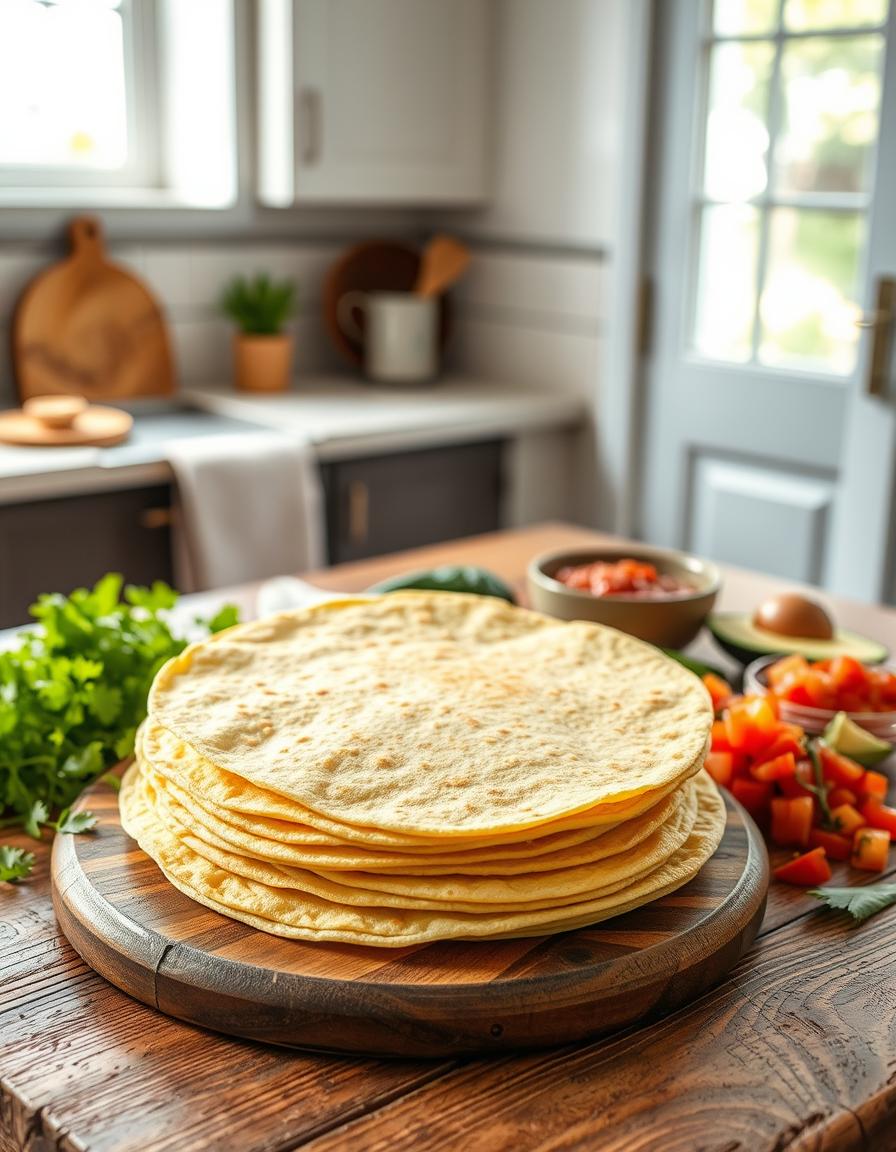

Corn tortillas are a staple in many kitchens, loved for their fresh taste and versatility. However, for people watching their carbohydrate intake or following specific diets, corn tortillas can seem like a tricky food to enjoy without guilt. This leads some to wonder, do zero carb corn tortillas really exist? The idea sounds appealing—enjoying a tortilla without any carbs—but is it realistic? Let’s explore this idea and see what the facts reveal.
Understanding Corn Tortillas and Carbs
Corn tortillas are traditionally made from ground corn, water, and sometimes lime (calcium hydroxide) for nixtamalization, which improves flavor and nutrition. Corn is naturally high in carbohydrates, mainly starch, so corn tortillas tend to have a moderate amount of carbs.
Typically, one 6-inch corn tortilla contains about 12-15 grams of carbohydrates. That’s not a huge amount, but if you’re on a low-carb or ketogenic diet, even this can add up quickly. The question is whether a zero carb corn tortilla is possible at all, or just a marketing myth.
Can Corn Tortillas Be Zero Carb?
The short answer is no. Since corn is a grain and contains natural carbohydrates, a true zero carb corn tortilla doesn’t exist in the traditional sense. You can’t take corn and magically remove all carbs while keeping its tortilla qualities.
There are some tortilla alternatives on the market labeled “zero carb,” but they usually are not made from corn alone. Instead, they rely on ingredients like whey protein, almond flour, or other low-carb flours mixed with binders and fibers. These are not corn tortillas by definition.
What Do “Zero Carb Corn Tortillas” Products Actually Contain?
Many brands try to appeal to low-carb dieters by offering “zero carb” or “keto-friendly” tortillas. Reading the ingredient list is key. Here’s what you might find:
- Non-corn flours: Ingredients like coconut flour, almond flour, or soy flour are often used.
- Fiber and binders: Ingredients such as xanthan gum, psyllium husk, or cellulose to create structure.
- Protein isolates: Whey or pea protein to boost protein content and reduce net carbs.
| Ingredient | Purpose | Impact on Carbs |
|---|---|---|
| Almond Flour | Gluten-free flour alternative | Lower carbs, higher fat |
| Coconut Flour | High fiber flour substitute | Fiber reduces net carbs |
| Psyllium Husk | Fiber to improve texture | Zero net carbs |
| Whey Protein | Protein addition | Minimal carbs |
In essence, zero carb tortillas are usually corn-flavored alternatives rather than genuine corn tortillas. This can be confusing for shoppers looking specifically for corn tortillas.
Why Is This Important?
If you’re following a strict low-carb plan, knowing the difference is crucial. A tortilla labeled “zero carb corn tortillas” might trick you into thinking you’re eating traditional corn tortillas without the carbs, which isn’t the case. Always check the nutrition facts and ingredients to avoid surprises.
Are Zero Carb Corn Tortillas Healthy?
When tortilla brands replace corn with other flours or protein powders, the nutrition changes. Some options are great for low-carb eating, but others can be highly processed or contain additives you might want to avoid.
Here’s a quick look at pros and cons:
| Pros | Cons |
|---|---|
| Low in net carbs, suitable for keto | Not traditional corn flavor or texture |
| Usually higher in protein and fiber | May contain additives or preservatives |
| Good alternative for gluten-free diets | Sometimes more expensive |
At the end of the day, if you want the genuine corn tortilla taste, you’ll have to accept some carbs as part of the package. If you want to avoid carbs almost entirely but still crave a tortilla, these alternatives can be a helpful compromise.
How To Choose the Best Low-Carb Tortilla Option
Whether you’re aiming for zero carb corn tortillas or just want to lower your carb intake, here are some practical tips:
- Read labels carefully. Check grams of total and net carbs per serving.
- Look for fiber content. High fiber can lower net carbs.
- Choose natural ingredients. Avoid too many artificial additives.
- Consider taste and texture. Some may taste quite different from corn tortillas.
- Test portion sizes. Even small tortillas can add up.
For some, following a 1200 calorie diet works best to manage carb intake while still enjoying traditional foods in moderation.
Simple Homemade Low-Carb Tortillas
If you’re feeling adventurous, you can even try making your own low-carb tortillas at home. Ingredients like almond flour, flaxseed meal, and psyllium husk offer a neat base. Here’s a quick recipe outline:
- 1 cup almond flour
- 2 tbsp psyllium husk powder
- 1/2 tsp baking powder
- 1/4 tsp salt
- 1 egg
- 2 tbsp water
Mix and roll into thin rounds, then cook on a hot pan for 1-2 minutes per side. You’ll get a flexible, tasty tortilla with very low carbs and no corn involved.
Conclusion
Zero carb corn tortillas, strictly speaking, don’t exist because corn itself contains carbohydrates. What you’ll find are low-carb tortillas made with other ingredients designed to mimic corn tortillas but without the natural carbs. These can be useful for people on keto or other low-carb diets but may differ in taste and texture.
If you’re okay with some carbs, traditional corn tortillas remain a nutritious, fiber-rich option to enjoy. Otherwise, low-carb alternatives or homemade recipes can fill the gap. Always check labels carefully to know what you’re eating. After all, food should be enjoyable and nourishing, no matter your diet!

I’m Sandy – sharing simple tips, plans, and motivation to help you stay in a calorie deficit Plan and reach your fitness goals.
