
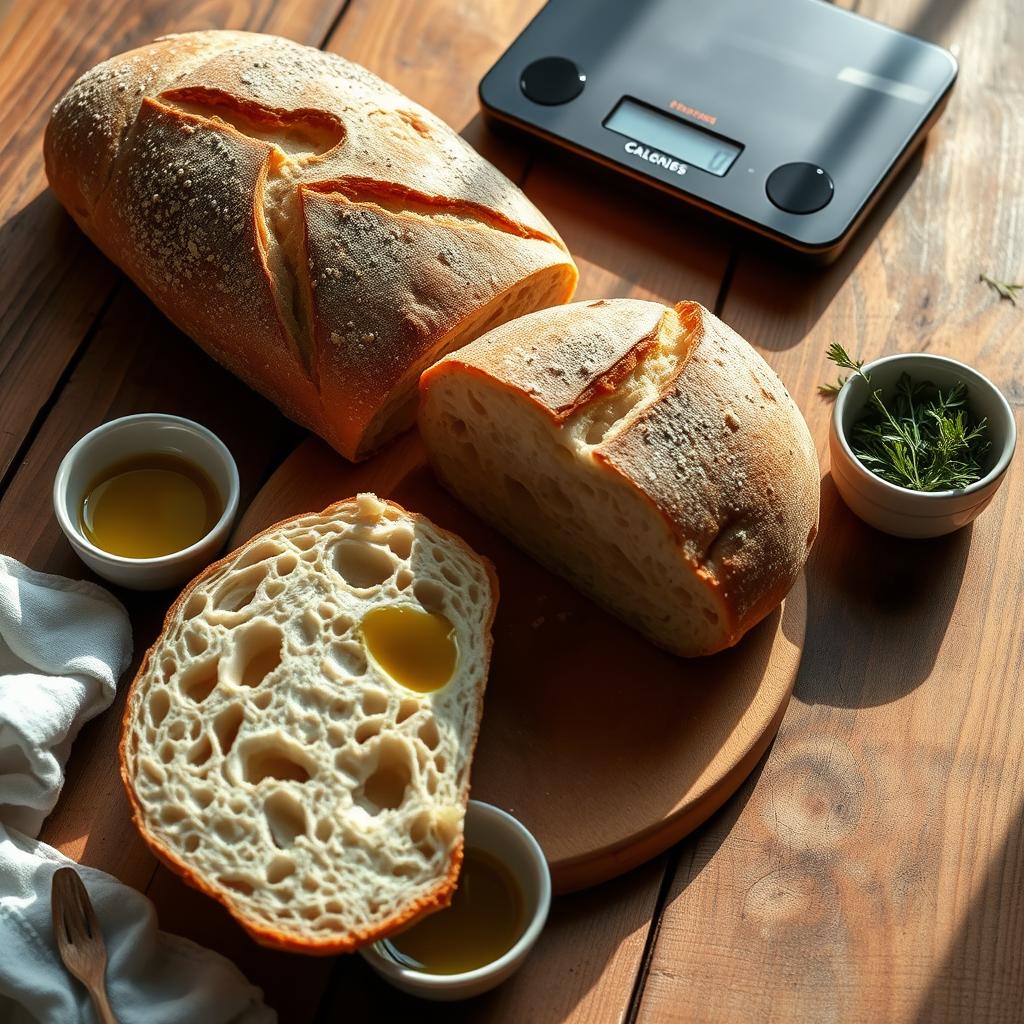

Ciabatta bread nutrition is loved for its airy texture, chewy crust, and rich taste, making it a staple in artisan bread culture. Originating in Italy, this bread adds a rustic charm to sandwiches, soups, and appetizers alike. However, for calorie-conscious eaters, understanding the nutrition profile of ciabatta is essential for maintaining balance without sacrificing indulgence.
Why does bread matter so much to those keeping track of their calories? The short answer: it often sneaks into meals in ways we don’t expect. From toast at breakfast to the sandwich you grab for lunch, bread choices can significantly impact your daily nutritional intake. So, how does ciabatta fit into the picture?
Ciabatta Nutrition Breakdown
Let’s talk numbers. A typical serving of ciabatta bread (about one slice) contains:
- Calories: Typically ranging from 120–170, depending on the recipe or brand.
- Carbohydrates: Around 25-30 grams per serving, making it relatively carb-dense.
- Protein: Approximately 5–6 grams per slice, which can help keep you feeling full longer.
- Fiber: Most artisan ciabatta options contain 1–2 grams of dietary fiber, which is lower than whole-grain alternatives.
- Fat: Less than 2 grams in most cases, assuming no added oils or spreads.
While ciabatta may not be a low-carb or high-fiber bread, its appeal lies in moderation. Pairing it with lean proteins and nutrient-rich veggies can make it a satisfying yet mindful choice for a calorie conscious meal. Looking for further insights? Check out this chick fil a nutrition guide for calorie-conscious eaters to explore other balanced options.
Ultimately, managing your diet doesn’t mean avoiding artisan breads like ciabatta. Equipped with the right information, you can enjoy its unique texture and flavor while staying on track with your goals.
Understanding Ciabatta Bread Nutrition
Have you ever wondered how ciabatta bread stacks up nutritionally compared to other bread options? Known for its airy texture and slightly crisp crust, ciabatta bread is a favorite for sandwiches and dips, but its unique ingredients and preparation techniques contribute to its distinct nutritional profile. Let’s break it down for calorie conscious eaters.
Macronutrient Breakdown
Ciabatta bread provides a good balance of macronutrients, making it both delicious and versatile. Here’s a look at its average nutrition per 100 grams:
| Nutrient | Amount | Comparison to Sourdough |
|---|---|---|
| Calories | 250 kcal | Similar (sourdough: ~220 kcal) |
| Carbohydrates | 48 g | Higher (sourdough: ~35 g) |
| Protein | 9 g | Comparable (sourdough: ~8 g) |
| Fat | 4 g | Higher due to olive oil |
What Makes Ciabatta Unique?
Ciabatta owes much of its characteristic texture and flavor to two key ingredients: olive oil and high-gluten flour. Olive oil contributes to its slightly indulgent fat content, while high-gluten flour plays a crucial role in creating its stretchable dough and airy crumb. While this combination enhances flavor and versatility, it also makes ciabatta slightly higher in calories and fat compared to lighter options like whole-grain bread.
Ciabatta vs. Other Bread Choices
If you’re watching your calories or macros, ciabatta might not be the leanest option. Whole-grain bread tends to pack more fiber, helping you feel full longer, while sourdough is often lower in carbs. But if you’re prioritizing artisanal texture and flavor, ciabatta can fit seamlessly into a balanced meal plan. Pair it mindfully with lean proteins, fresh vegetables, or healthy snacks on the go to strike the perfect balance.
In the end, the choice between ciabatta, sourdough, or whole grain depends on your dietary goals and taste preferences. Why not experiment with all three for variety and nutritional flexibility?
Calories in Ciabatta Bread A Closer Look
For those mindful of their daily calorie goals, understanding the nutritional breakdown of ciabatta bread nutrition information can be a game-changer. This delectable Italian bread, known for its airy texture and crusty exterior, often sneaks into our sandwiches and meals without much thought about its calorie impact. So, how does ciabatta rank when it comes to nutrition? Let’s break it down.
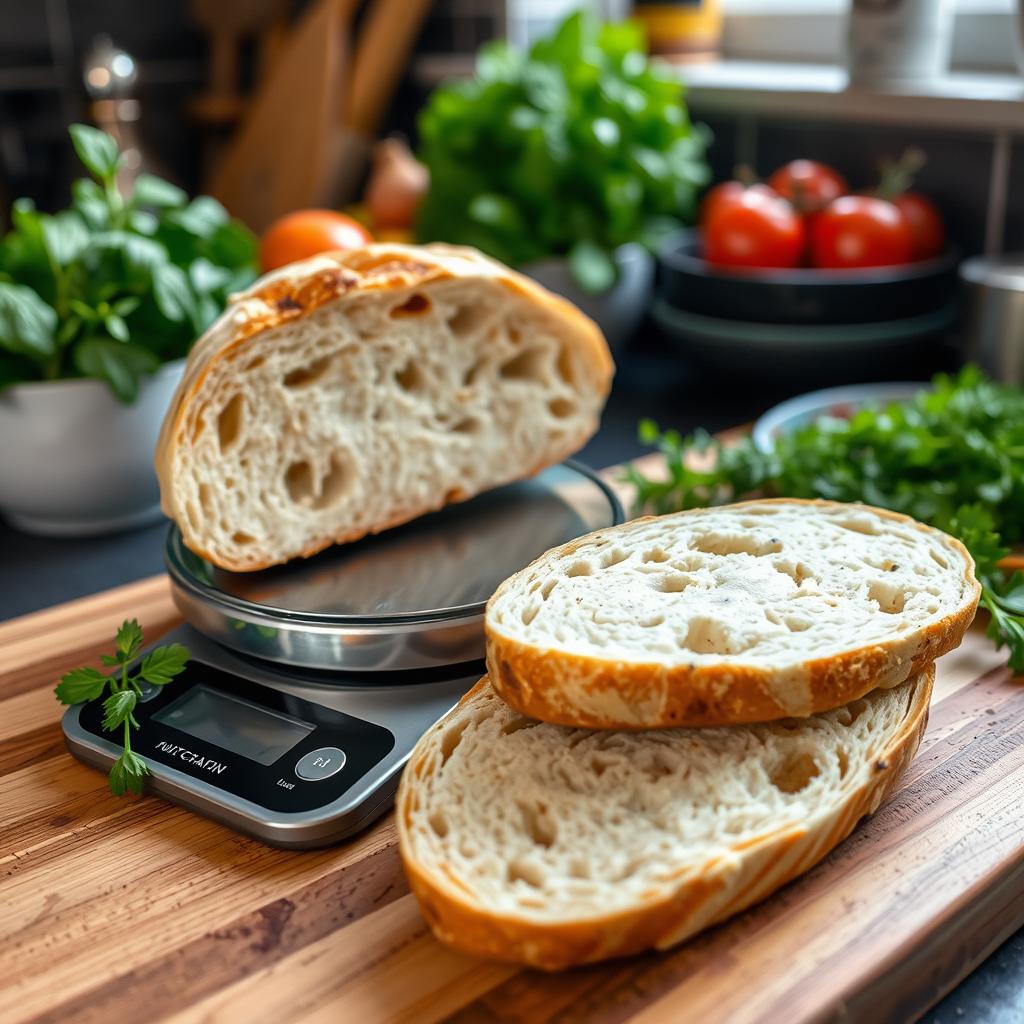
On average, a slice of ciabatta bread (about 57 grams, depending on thickness) contains approximately 120 to 180 calories. However, the exact calorie count can vary based on several factors, such as its size, type, and whether it’s store-bought or homemade. Typically, homemade versions may have fewer calories, especially when made with minimal oil or additives, while store-bought varieties can be higher in calories due to enriched flour or preservatives.
What Influences Ciabatta’s Calorie Content?
- Slice Thickness: A thicker slice means more bread and in turn, more calories. Measuring serving sizes can help you better account for your intake.
- Store-Bought vs. Homemade: Generally, store bought ciabatta includes added fats or stabilizers that increase its calorie count.
- Preparation Style: Toasting or pairing with spreads like butter or olive oil will elevate the calorie profile even further.
Wondering how ciabatta bread can still fit into a calorie conscious diet? The key is portion control. A single slice can easily complement a high protein salad for a balanced, satisfying meal without tipping your calorie count over its limit. Alternatively, opt for open faced sandwiches to cut down on bread calories while maximizing fillings. This approach keeps ciabatta’s indulgent flavors in your diet while helping you stay on track.
By navigating ciabatta bread’s calorie content strategically, you can enjoy its rich, wholesome taste without compromising your daily calorie goals. After all, balancing indulgence with nutrition doesn’t have to mean dietary sacrifices it just requires smart choices.
Health Benefits and Drawbacks of Ciabatta Bread
Benefits of Ciabatta: Why It Stands Out
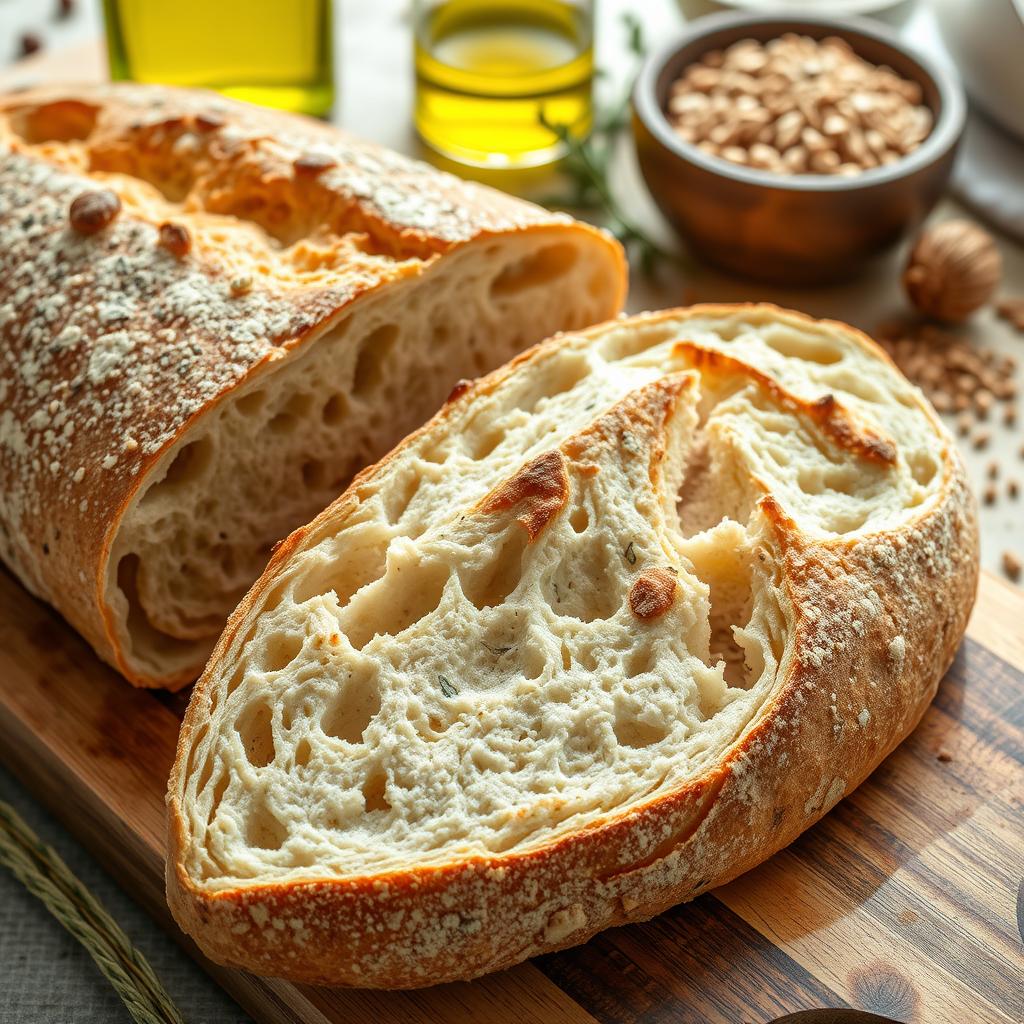
- Artisan quality: Ciabatta is celebrated for its rustic appeal, often baked using traditional techniques. This gives it a unique texture and aroma that elevates even the simplest sandwich.
- Natural ingredients: Unlike highly processed breads, ciabatta bread nutrition information typically contains straightforward ingredients like flour, water, salt, and yeast making it a cleaner option in terms of additives.
- Satisfying texture: Its chewy interior and crispy crust create a sensory experience, making it more filling and enjoyable compared to lighter bread varieties.
Drawbacks to Consider
While ciabatta has its perks, it’s not without downsides, especially for calorie conscious eaters:
- Lower fiber content: Ciabatta lacks the fiber punch found in whole grain breads, which can leave you feeling less full and impact digestive health.
- Higher calorie density: Its airy, porous texture may trick you into eating larger portions, which can add up quickly in calories compared to heartier whole grain options.
Is Ciabatta Bread Suitable for Special Diets?
For those following low carb or heart healthy diets, ciabatta may not be the best choice. Its traditional recipe is high in carbohydrates, which can hinder low carb goals. Additionally, ciabatta’s lower fiber and higher calorie content might not align well with heart healthy eating plans that emphasize nutrient rich, fiber packed foods.
That said, occasional indulgences are perfectly fine! Pairing ciabatta with nutrient dense toppings think lean proteins, fresh vegetables, or healthy fats can make it a solid addition to a balanced diet.
Tips for Incorporating Ciabatta Bread into a Calorie Conscious Diet
If you love the satisfying chew of ciabatta bread but worry about the calories creeping into your daily count, you’re not alone. With its airy texture and delicious crust, ciabatta can feel like a guilty pleasure. However, it doesn’t have to be off limits. Here are some effective strategies to enjoy ciabatta bread while keeping your calorie intake in check:
1. Practice Portion Control
One of the simplest ways to manage ciabatta bread calories is by sizing down your portions. Instead of a whole slice, try cutting ciabatta into halves or quarters. Smaller servings allow you to enjoy the rich flavor while leaving room for nutrient-dense additions. Did you know that portion size can substantially impact your calorie count? By being mindful, you can savor ciabatta without overindulging.
2. Choose Low Calorie, Nutrient Dense Pairings
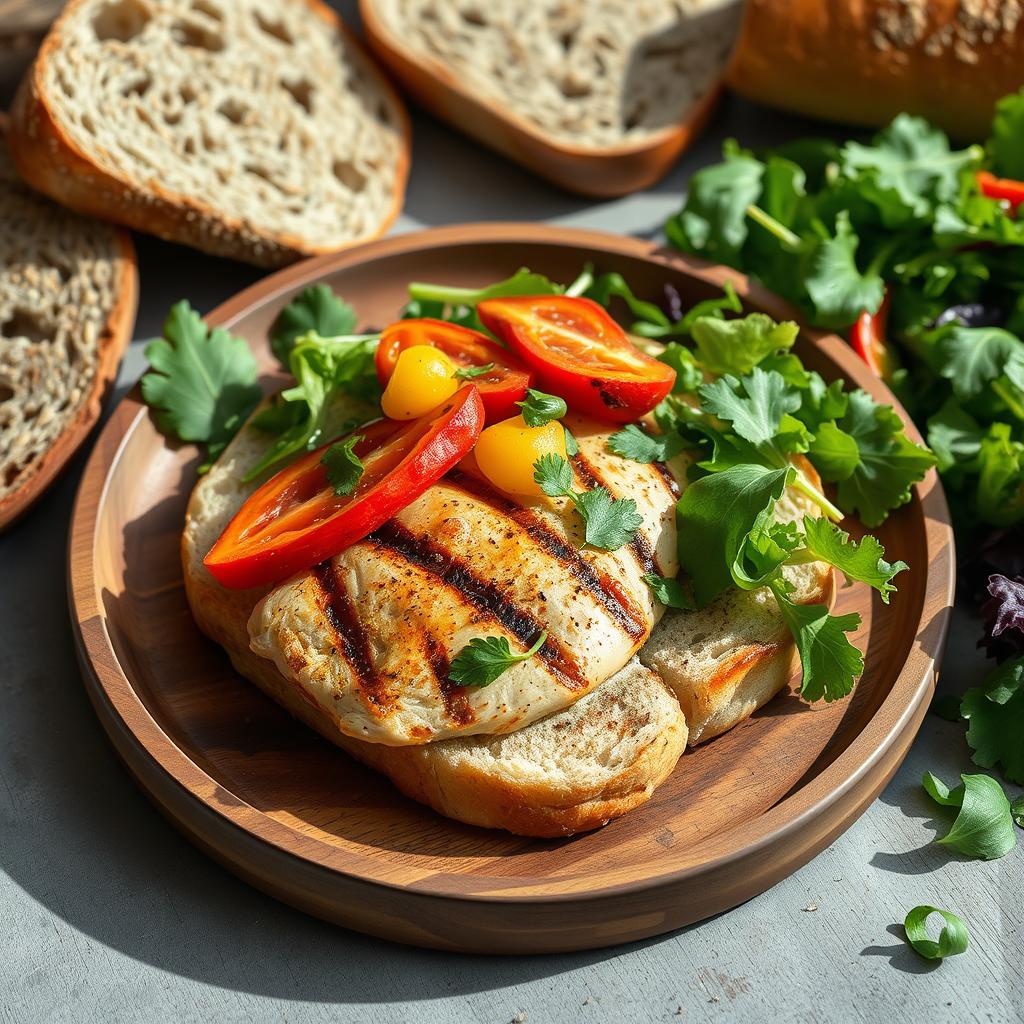
Pairing ciabatta bread nutrition information with the right toppings can transform it into a balanced meal. Consider using fresh vegetables like leafy greens, tomatoes, or roasted bell peppers to add volume and vitamins. For proteins, opt for lean options such as grilled chicken breast, turkey slices, or legumes. Skip calorie heavy spreads like mayonnaise and choose lighter alternatives like hummus or avocado. This combination promotes satiety without unnecessary calories.
3. Explore Healthier Alternatives
If you’re looking for substitutes, switch up your routine with whole grain or high fiber bread options. These alternatives often provide more nutrients and keep you fuller for longer. Low carb breads, particularly those marketed for keto diets, are also a great way to reduce your carbohydrate intake while enjoying similar textures and flavors.
For a detailed breakdown of ciabatta bread nutrition information, consider how its profile stacks up against other breads. Making informed choices can help you enjoy ciabatta guilt free while prioritizing your health goals.
Final Thoughts: Mindful Indulgence with Ciabatta Bread
Ciabatta bread brings a unique balance of indulgence and versatility to the table, making it a timeless favorite among bread lovers. As we’ve explored, understanding ciabatta bread nutrition information is essential for those seeking to enjoy this classic loaf without straying from their health goals. Its robust flavor and pillowy texture can be part of a calorie conscious lifestyle with smart ingredient choices and mindful eating habits.
For calorie conscious eaters, key strategies include assessing portion sizes, selecting companion ingredients that complement ciabatta’s nutritional profile, and incorporating it into balanced meals. Opting for whole grain ciabatta or pairing it with high fiber, low fat toppings can elevate both the flavors and health benefits. While it’s not inherently low carb, ciabatta can still play a role in a well rounded, moderate carb diet.
Remember, achieving dietary balance doesn’t mean avoiding indulgence. It’s about enjoying ciabatta bread mindfully whether as the base for a hearty sandwich or alongside a nutrient rich soup. Moderation is the cornerstone of sustainable eating habits, and thoughtful choices can ensure your favorite foods remain a guilt free part of your lifestyle.
As trends lean increasingly toward health conscious options, take advantage of recipes and tips designed to enhance the nutritional value of your meals without sacrificing flavor. Whether you’re crafting a perfect artisan sandwich or indulging in freshly baked bread at a local eatery, staying informed empowers you to savor every bite while supporting your wellness goals.
Embrace the joy of ciabatta its simplicity, flavor, and endless pairing possibilities and let it complement your journey toward healthier living. Relish each slice mindfully, balancing indulgence with your personal nutritional aspirations. After all, great food is about enjoyment, nourishment, and a celebration of life’s simple pleasures.

I’m Sandy – sharing simple tips, plans, and motivation to help you stay in a calorie deficit Plan and reach your fitness goals.
