
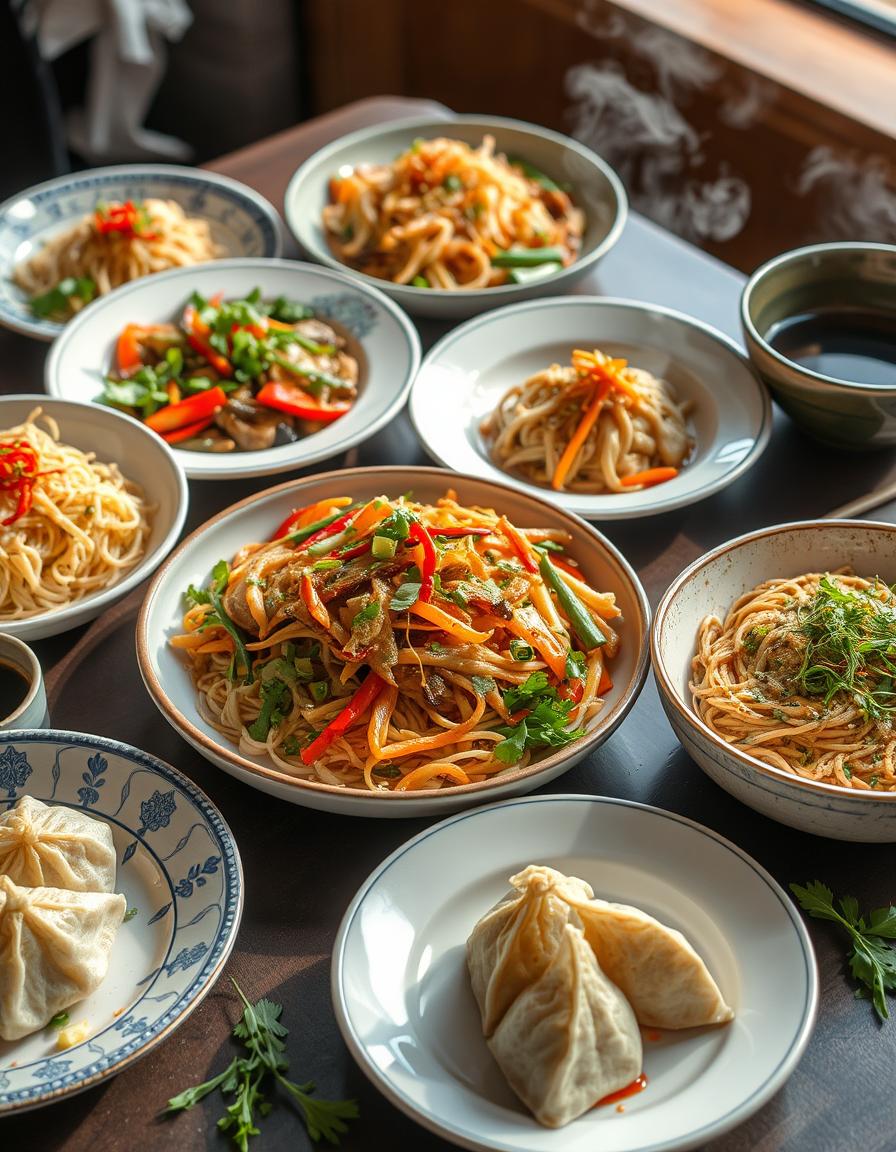

Chinese food is a beloved cuisine around the globe, famous for its bold flavors, aromatic spices, and satisfying textures. However, for those who need to avoid gluten due to allergies or sensitivities, enjoying Chinese dishes can sometimes feel like a risky adventure. Many traditional Chinese recipes use soy sauce, wheat-based noodles, or other ingredients containing gluten. Luckily, there are plenty of delicious gluten-free alternatives that allow you to savor Chinese food without worry. Understanding the landscape of chinese food gluten free options will empower you to make safe and tasty choices whether dining out or cooking at home.
Understanding Gluten and Chinese Cuisine
Gluten is a protein found mainly in wheat, barley, and rye. In Chinese cooking, gluten often hides in common sauces and staples like soy sauce, wheat noodles, and battered fried items. The challenge is that gluten isn’t always obvious on a menu or ingredient list. For example, hoisin sauce and oyster sauce can contain gluten additives, and even rice vinegar might sometimes be processed with barley. So, simply avoiding bread or flour is not enough.
That said, many naturally gluten-free ingredients play a starring role in Chinese recipes. Rice, rice noodles, fresh vegetables, meats, and seafood are often gluten-free themselves. The key is ensuring they aren’t cross-contaminated or mixed with gluten-containing sauces or coatings.
Common Chinese Food Ingredients to Watch Out For
| Ingredient | Gluten Status | Notes |
|---|---|---|
| Soy Sauce | Contains Gluten | Traditional soy sauce is brewed with wheat; use tamari as a gluten-free substitute. |
| Wheat Noodles | Contains Gluten | Replace with rice noodles or other gluten-free options. |
| Oyster Sauce | Often Contains Gluten | Check labels carefully or choose gluten-free versions. |
| Rice | Gluten Free | A safe and common base for many dishes. |
| Eggs, Meats, Vegetables | Gluten Free | Natural ingredients, but check for sauces or coatings. |
Safe and Delicious Chinese Food Gluten Free Choices
Rice-Based Dishes
Rice is a staple for many Chinese meals and naturally contains no gluten. Dishes like steamed white rice, fried rice made without soy sauce, and congee (rice porridge) are generally safe bets. To keep it gluten-free, watch out for hidden sauces or added soy sauce that contain wheat.
Rice Noodles and Vermicelli
Rice noodles are a fantastic gluten-free alternative to wheat noodles. Dishes such as chow fun or pad thai can be made with rice noodles, though pad thai is Thai rather than Chinese. Stir-fries with rice noodles can be found at many restaurants or easily prepared at home. Just remember to substitute tamari or gluten-free soy sauce.
Stir-Fried Vegetables and Protein
Simple stir-fry recipes featuring fresh vegetables, chicken, beef, shrimp, or tofu are easy to make gluten-free. Just swap out regular soy sauce for tamari or coconut aminos. These dishes offer both flavor and nutrition without the gluten risk.
Dim Sum and Dumplings
This one is a bit trickier. Many dim sum dishes like steamed buns, dumplings, and spring rolls use wheat flour wrappers. However, some restaurants and recipes use rice flour or other gluten-free batters. It’s worth asking or experimenting with gluten-free versions at home.
How to Ensure Chinese Food is Gluten Free When Dining Out
Eating chinese food gluten free at restaurants requires some detective work. Here are some pointers to help:
- Ask questions: Don’t hesitate to tell your server about your gluten sensitivity and ask how dishes are made.
- Request substitutions: Ask if they can prepare dishes without soy sauce or with tamari instead.
- Avoid fried items: Many fried dishes use batter containing wheat.
- Choose plain steamed dishes: Steamed fish, vegetables, or rice are usually safe.
- Carry gluten-free soy sauce packets: Just in case the restaurant doesn’t have any.
Though it takes a bit of effort, many restaurants are happy to accommodate gluten-free diets when made aware.
Cooking Gluten-Free Chinese Food at Home
Making chinese food gluten free in your kitchen is easier than you might think. Here’s a simple checklist:
- Use tamari or coconut aminos instead of regular soy sauce.
- Pick rice, rice noodles, or gluten-free noodle alternatives.
- Use fresh vegetables, meats, and unprocessed sauces.
- Avoid wheat flour in any batter or coating; substitute with cornstarch or rice flour.
- Double-check all bottled sauces for hidden gluten.
This approach will help you whip up classic dishes like stir-fried beef and broccoli or garlic chicken without gluten worries.
Popular Chinese Food Gluten Free Dishes to Try
| Dish | Main Ingredients | Gluten-Free Status |
|---|---|---|
| Kung Pao Chicken | Chicken, peanuts, vegetables, tamari sauce | Yes, if made with tamari |
| Steamed Fish with Ginger | Fish, ginger, scallions, rice wine | Yes |
| Egg Fried Rice | Rice, egg, vegetables, tamari | Yes, if tamari used |
| Hot and Sour Soup | Vegetables, vinegar, tofu, tamari | Usually yes, confirm no wheat noodles |
| Vegetable Stir Fry | Mixed vegetables, garlic, tamari | Yes |
Watch Out for Cross-Contamination
Even if a dish’s ingredients are gluten-free, cross-contamination can sneak in. Shared cooking oil, cutting boards, or utensils used for wheat-containing foods can contaminate gluten-free dishes. When ordering out, make sure the kitchen staff knows your needs. At home, clean cooking tools thoroughly and consider using separate pans or oils.
Also, remember that sauces like soy sauce packets or bottled sauces should be gluten-free certified. Many brands now offer gluten-free certification, which gives peace of mind.
While this may sound like a lot to keep track of, it’s worth it for the delicious and safe enjoyment of chinese food gluten free. With some preparation and smart choices, you can enjoy meals packed with flavor and culture.
By the way, if you are curious about other nutrition topics, you might find [pot roast nutrition facts](https://caloriedeficitplan.com/pot-roast-nutrition-facts-a-comfort-food-breakdown/) quite interesting. It’s a neat comfort food breakdown that adds variety to your healthy eating.
Conclusion
Chinese cuisine offers a wealth of flavors and ingredients that can be enjoyed without gluten by making mindful choices. Understanding which ingredients contain gluten and how to substitute them is key to savoring authentic tastes safely. Rice, rice noodles, fresh veggies, and proteins paired with gluten-free sauces open up a vibrant menu of options for people avoiding gluten. Whether dining out or cooking at home, communication and awareness ensure that you can indulge in this beloved food culture without worry. So, next time you crave Chinese food, remember that gluten-free delights are just a few smart swaps away.

I’m Sandy – sharing simple tips, plans, and motivation to help you stay in a calorie deficit Plan and reach your fitness goals.
